How Forgiveness Heals What Trauma Breaks with Dr. Matt Williams
In this episode, Chris and Alisa Grace explore the powerful and often misunderstood topic of forgiveness—and how it differs from reconciliation. Joined by Dr. Matt Williams, professor of New Testament at Biola University, they unpack the biblical, emotional, relational, and spiritual realities of forgiveness and why unforgiveness can become a significant barrier to healing and freedom.
They discuss common misconceptions about forgiveness, the impact of trauma and abuse, and why forgiving someone does not always mean reconciling with them. Dr. Williams shares stories from years of counseling students, explains how unforgiveness can become a spiritual foothold for the enemy, and offers a clear, Christ-centered definition of true biblical forgiveness. The conversation also explores the physical, emotional, relational, and spiritual consequences of holding onto unforgiveness—and how releasing it leads to peace, restoration, and freedom in Christ.
Whether you’re navigating hurt with a spouse, family member, friend, coworker, or someone from your past, this episode offers practical wisdom and hope-filled guidance to help you move forward without minimizing the pain you’ve experienced.
Resources Mentioned:
- Finding Freedom in Jesus: The 21 Attributes of Your Identity in Christ – A book by Dr. Matt Williams and Dr. J.P. Foster that explores identity in Christ as a foundation for healing, forgiveness, and spiritual freedom. https://amzn.to/4ra83uF
- Forgiving and Reconciling: – A book by Dr. Everett Worthington that explains the difference between forgiveness and reconciliation and introduces the REACH model of forgiveness. https://amzn.to/4r63ql3
- Boundaries – A practical resource on establishing healthy boundaries, especially important in situations involving abuse, trauma, or unrepentant behavior. https://amzn.to/4ao8Kt3
- Forgiveness Resource - A practical guide outlining steps to seek and grant forgiveness, four signs you’ve truly forgiven, and three common ways to ruin an apology. https://assets.biola.edu/4396738754672012438/attachment/8cac27f799713c64b2e8014a834f283d/250390_-_CMR_-
Connect with Us:
- Website: cmr.biola.edu
- Facebook: facebook.com/biolacmr
- Instagram: instagram.com/biolacmr
- YouTube: www.youtube.com/@biola-cmr
Join the Conversation:
- Subscribe to The Art of Relationships Podcast to never miss an episode.
- Leave a review on Apple Podcasts or Spotify to help others discover the show.
- Share this episode with someone who could benefit from these relationship insights.
- Sign up for weekly updates and resources from the Center for Marriage and Relationships:
http://eepurl.com/bgsuQv
About the Hosts:
Chris Grace, Ph.D., and Alisa Grace are passionate about helping people build and sustain healthy relationships. As leaders of the Biola University Center for Marriage and Relationships, they combine the wisdom of Scripture with scholarly research to offer practical advice and insights. Learn more about their work at cmr.biola.edu.
—————
Chris [00:00:00] We all know that forgiveness is good, but why is it so hard for us to do? In this powerful episode we sit down with Dr. Matt Williams to explore the Biblical, emotional, and relational realities of forgiveness. Drawing from years of counseling students and New Testament scholarship, Dr. Williams shares how unforgiveness can become a spiritual foothold for the enemy and how true Biblical Forgiveness leads to freedom, healing, and restored with God.
Alisa [00:00:27] So this conversation tackles some misconceptions about forgiveness, the impact of trauma, and how to forgive even deep wounds, and why reconciliation is not always required. So you're going to hear some stories from people who've walked through some profound pain and found freedom through Christ-centered forgiveness.
Mandy [00:00:49] Welcome to the Art of Relationships. This podcast is produced by the Biola University Center for Marriage and Relationships Let's get right into it.
Chris [00:00:59] So our guest today, Dr. Matt Williams. Dr. Williams, good to have you here. We've been friends a long time. But if you don't know, Dr Williams, professor of New Testament. Matt, you've been doing work in New Testament, you teach the book of John. You've been a college professor for a long here in the States, right? Talbot School of Theology, Biola. Over about 20 years. I would imagine 24 24 years. You've been a professor and you spent I know at least Seven eight years in Spain doing the same thing in Spain. That's pretty cool. When was that back in the day?
Matt [00:01:41] 96 to 2002, six years. Six years.
Chris [00:01:46] And you have then really been in this area, I know you have an engineering background which has probably helped you a lot in understanding that world, and you did that for a while, and then transitioned over to the New Testament where you studied, where did you get your Where are you from?
Matt [00:02:06] Well, engineering, I did University of Illinois. And then Vita Yelena. Vita yelena, yeah. And then I went to, it's called Trinity Evangelical Divinity School in Chicago.
Chris [00:02:15] Trinity and that's where you got your degrees including your final one which was a No, it's PhD New Testament New Testament pretty impressed at least
Alisa [00:02:26] So, we have you on today, Matt, to talk about this really important, really fascinating topic of forgiveness. And it really comes from a class that you're teaching here at Biola. Can you share a little bit about why you focused on the topic of Forgiveness, and what is it that has just profoundly struck you, especially, and struck such a note? With your students when you talk about this topic.
Matt [00:02:57] Yeah, so when you start talking to students, you find out that they come from difficult backgrounds and they have a lot of hurts. And one of those hurts is that they have unforgiveness. And so let me just give you three crazy examples, okay? One, I was praying with this girl and she told me that a lot of her issues were stemming back to an ex-boyfriend who he actually abused her. And so she... Was trying to forgive him. And when we were in the process of praying, I thought an earthquake hit the room. I was like, my gosh, the whole room's shaking. And then I realized that nothing was shaking in the room, it was just me. I thought, okay, that's weird. And then literally three seconds later, she stops and she goes, I feel like the whole is shaky. And I went, okay. So forgiveness is an important topic. So I think in that particular, we'll come back to that later, Bye! I think in that instance, the evil one was trying to scare us. He didn't want her to forgive this guy. But there's lots of people. Let me give you another one. This girl had a narcissistic dad, so he didn't care about her at all. And so she decided, you know what, I've been holding this too long. I'm going to forgive him. We'll talk about forgiveness and reconciliation later. But she was able to forgive her narcissistic Dad, which was, I mean, it was just amazing. Just amazing. Let me give you one more and then I'll shut up. No, it's good. The last one is I had a student who, when she was very young, her brother abused her. And she went to her dad and her dad said, just forget about it. You believe that? Wow. Just forget about him.
Speaker 5 [00:04:46] Wow.
Matt [00:04:48] And so she did until she was a teenager and then it came back to her. And then she cried herself to sleep every night. Walked into every room, looking around, scanning the room to see who were the scary people, where's the exits, where can I get out of here? And so her boyfriend actually brought her to me and said, hey, she has some issues. She needs to work through. And so we worked through forgiveness of her brother and also of her dad.
Chris [00:05:18] Uh, man, maybe a first question, uh, when this happens, um, when, when, when a student comes to you like that, do you ever, uh stop and go, why me, why don't you go to a psychologist? I mean, or your pastor or your. I mean something, something has drawn them to you and you've seen that as an opportunity that the Lord has given you to be in their lives. So. I mean, I fully get why, but do you ever wonder what you're doing here and how did you overcome that initial like, I'm not prepared for this.
Matt [00:05:59] Yeah, I still feel that way, don't you guys?
Speaker 6 [00:06:03] You know what, I think that's probably the beginning of wisdom. We should never feel like we're fully equipped and prepared.
Chris [00:06:11] But somebody surrendered to the Lord. That's right. And you still feel that way, but you've also developed kind of a reputation of working in this area of forgiveness. How did that come about?
Matt [00:06:24] Yeah, I think I just ask a lot of questions of students. And now I tell stories in classes about former students and how they worked through some issues, and so that opens up more people to come. But Chris, I you're right, it should happen in the church. It should happen and families. But a lot times we keep people at a distance and we don't really get to know what their issues are. I break down that distance and ask the question that nobody else asked. And then in terms of why don't I send them to a psychologist, I do that too. Yeah, depends on the person. So a lot of times though in therapy, they're talking about more psychological and not as much spiritual. So a lotta the people that I meet with, they meet with me and with a therapist. And I go after the spiritual stuff.
Alisa [00:07:14] When you say that you ask them questions that nobody else asks them, what are those questions?
Matt [00:07:22] How you doing? Could be as simple as that. That's where we start.
Alisa [00:07:26] And when they say, I'm fine, I am doing good.
Chris [00:07:30] And then, I mean, but they're there for a reason, and you can kind of, you know that. I mean people that work with students and, you know, professors like we have for so long, they, it's, you read it, you know it, they're there for something. And it's just going to be hard.
Matt [00:07:45] Well, I asked them in my Gospel of John class the second week, I asked him to write out all the shame and guilt that they're carrying right now. It's anonymous, I don't know who's who, but that begins to open them up to, okay, I have some stuff that I've maybe pushed down that I haven't been open with myself about or with anybody else. And then once I start talking about in class, you know, hey, we need to deal with this. Some people are like, I dunno what to do.
Chris [00:08:14] And the reason this can be, Matt, so interpreted through a spiritual lens, I would imagine is because most of them aren't given that opportunity to talk about it. We don't have sermons that are going to have, you know, long enough for interactions in church to start getting at the heart of this. And so what you're doing is. Saying no we need to talk about this and some of you have run from this for a long time and that affects who they are spiritually and then probably the enemy is like oh this is awesome keep them from talking about this ever coming to the light of day and I've got this person I can keep pushing these buttons that make them hide and run and in shame and then the role of unforgiveness starts to become this huge issue.
Matt [00:09:09] And a lot of people will go, I don't have unforgiveness. I met with one student and she goes, I don't have any unforgivness. And then it turned out that her mom was really mean to her. I mean, like. And then she realized, oh, I do have unforgiveness. I've heard all these sermons, but I've never really looked at it honestly. And I asked her, do you want to forgive your mom? And she goes. I don't know if I do. And she was heading into church work, into church ministry. She came back and dealt with it.
Alisa [00:09:44] What do you think people don't want to forgive?
Chris [00:09:48] All a list of reasons.
Speaker 5 [00:09:50] In a man? Yeah.
Chris [00:09:51] Probably mistaken and messed up reasons. Yeah. Like, what are some of the top reasons why people would say, like, you know, like this friend?
Matt [00:10:02] I think probably the biggest one is our sense of justice. If I forgive them, they get off the hook. And so we're going to have to define forgiveness well, because that's not true. But if I forgive, them they get of the hook, I don't want them to get off of the book. Or they think I hold something over them if I continue to not forgive them. Well, they don't. It's hurting themselves more than the other person. The other person, a lot of times, doesn't even realize. Or doesn't remember, doesn't care, yeah.
Chris [00:10:34] That give us a PMR so that you said it's kind of like they they don't they want it's a sense of control for them right they don't want to forget because they they don't t want to let them keep doing this or they don t understand what true justice or where it comes from
Alisa [00:10:51] Well, it's excusing it.
Matt [00:10:53] Yeah, or they need to repent. They need to ask me for forgiveness. Oh, the other person.
Chris [00:10:58] Yeah, yeah, they have to repent, and when they do...
Alisa [00:11:01] I've actually heard a leading Christian author person, yes, that has actually espoused that idea and based it that you don't have to forgive someone unless they ask for it because God doesn't forgive us unless we ask for, we have to repent and ask for. So what do you say to that?
Matt [00:11:28] Yeah, I mean, there's an element of truth in that, of course, right? Only God can forgive. We really can't forgive, in a sense. So that's why the definition of forgiveness is so important. I'm not forgiving someone and they're ultimately or eternally forgiven. I'm forgiving someone taking them off of my hook and placing them on Jesus' hook. But I think it's dangerous if we don't forgive someone.
Chris [00:11:58] Oh, it sounds dangerous. I mean, Jesus has explicit command to us.
Matt [00:12:03] Is to forgive, right? Others. Seven times seven. Seven. Or seventy times seven, seven times eight.
Chris [00:12:10] That's pretty explicit right there, but you're right. So it's holding on to that on your hook, right? And it's that notion that you're saying, look, yeah, God is going to ultimately be the final judge and the one who forgives. So when you break these down with students and have them start looking at this, these kinds of things come up right away for them, I would imagine. Some of these mistaken myths and ideas, so what is the true definition of forgiveness then? I mean, that's...
Matt [00:12:43] Yeah, it's an important piece. Well, before we hit that, can we talk about the dangers if we don't forgive? Yeah, let's follow this other person. Yeah. Yeah, I actually wrote them down. We have a whole list of the dangers. There's physical reasons because unforgiveness hurts us physically. It causes higher stress. I don't need more of that. Higher levels of cortisol shrinks the size of the brain cortex. I'm getting older. I need all the brain I have. It elevates the risk of heart attacks, strokes, increases blood pressure. So that's just the physical. Hurts us emotionally, increases fear, anger, bitterness, sadness, shame, anxiety, and depression. All of those are increased with unforgiveness. Hurts this relationally because those who have been hurt, we tend to hurt others unless we deal with it. And then it hurts us spiritually. I mean, that's what we started with, right? It's spiritual warfare experts say that unforgiveness is the number one open door to the evil one. If we have unforgivness in our life, Satan's like, ooh, there's an opening, I'll take it.
Chris [00:13:57] You know, at any time this topic comes up, I think that one of the most, I guess, not ironic, but reassuring thing is that when you, I'm a scientist, and so you start listening off physical, emotional, relational, you're now in my world. And the most reassuring thing is the fact that when researchers of my, you know, ilk go out and start studying forgiveness, this is what they're finding. You didn't just make this up. This is actual research that has been done in the area of forgiveness and unforgiveness. By people who may not be Christian, who may not have a spiritual bone in their body, and these are what they're finding. So we don't have to just say, oh, yeah, you don't sleep well, you have increased cortisol levels. This is what people are finding. And some of the psychology of forgiveness is getting tons of money in research grants because when they deal with unforgiveness, they find such substantial changes in those very things. So, you know, Ev Worthington. You know, Virginia Commonwealth professor and, you know expert in the psychology of forgiveness, all of these things he's finding and his colleagues are finding. And that, I know that's where you're getting them. And that is, that's interesting that the Bible is, it substantiates, set this forth as the foundation for what we now find. And it just kind of validates the truth of what unforgiveness is, is that scripture talks about.
Matt [00:15:39] I love that. I think you told me a while ago that for a while the study of forgiveness was the number one grant opportunity for people.
Chris [00:15:48] The psychology of forgiveness and it's been equated only by the psychology of gratitude and research on forgiveness of gratitude are some of the top funded topics in the field of psychology which shows, you know, the significance primarily because of the transformative effect that they find when people go through forgiveness projects and gratitude projects. It profoundly changes them. And granted, you see his goal. Well, let's keep funding that. You guys are finding amazing things. And I think, Matt, that's the world you've been steeped in and had been learning about some of those changes and some of the impacts that lack of forgiveness does.
Alisa [00:16:34] Now you just, you covered some of the physical and mental and emotional health reasons that we should forgive. Let's dive into biblically. What does God's word have to say about forgiveness?
Matt [00:16:49] Just the big picture is God is a forgiving God. And we are children of God. And we imitate our Father, right? And so if He's forgiving, we should be forgiving. But here's a few texts. Micah 7, 18. Who is a God like you, who pardons sin and forgives the transgression of the remnant? And we could read hundreds of these verses. Psalm 86, 5, you Lord are forgiving and good, abounding in love. Jesus. The Son of God, par excellence. On the cross, he's forgiving people.
Chris [00:17:26] He's one of the last things he said on walking on this earth.
Matt [00:17:30] Yep, that's right. He forgave during his lifetime and one of the last things. And then, of course, Paul says to us, be kind and compassionate to one another, forgiving each other, just as in Christ God forgave you. So, we're called to forgive, to go against what you mentioned earlier.
Alisa [00:17:49] We were speaking at a marriage conference not very long ago and this younger couple came up and were talking to us and they were actually very eager and very enthusiastic and wanted to share their story with us. And as the young man shared his story, he said that just about a year ago, maybe two years ago, that his wife was unfaithful and had to have an affair. And of course, rightly so, he was just devastated. Just absolutely devastated, had no idea, felt so betrayed and was so deeply hurt and was just really struggling with the idea of that betrayal. And he knew that he was supposed to forgive as a believer, but was having such a hard time doing it. And so I asked him, I said, what made the difference for you? Because obviously you're here at a marriage conference, it looks like you guys are doing well, you're smiling, you're holding hands. What made the different? And he said, one day he was praying about it. And again, just asking the Lord to help him forgive her. And he says, clear as a bell, he heard the Lord say, she was unfaithful to you, and I'm asking you to forgive her, because you have been unfaithful to me, and yet I still have forgiven you. How can you do any less with her?" And he said, it was like the scales fell off his eyes when the reality of that finally began to sink in and he really came to terms with his own forgiveness in the eyes of Jesus. Being asked to do that and extend that to her. And he said that the Lord gave him the ability to do that, but it had obviously made a profound difference because they were doing very well.
Matt [00:19:58] That's the story of the prophet Hosea, right? That's right, as life goes off and God says, as a symbol of my forgiving Israel, I want you to forgive your wife.
Chris [00:20:11] That is it harder is it easier or harder or deep well let's try it this way who struggles more those who have to forgive something of somebody else somebody that's betrayed them very close whether it's a spouse whether it is a family member
Alisa [00:20:26] Why did you look at me when you said that?
Speaker 5 [00:20:31] What's up? Hey! What's this?
Chris [00:20:33] I don't know, what could you tell her to work on better? Is it easier, or people struggle more with forgiving, or when forgiving themselves? Like, I had a talk today with a student, just today, who struggles with pornography, And it it really I mean his issue is going to be He just doesn't know how to forgive himself. He just thinks I'm a failure. I'm lost. I'm no good. I'll never be good. I've been fighting this too long. I keep slipping back into it. And and to be able to tell him, bro, who are you and who's your identity? What? He knows you. He understands you. But he's also forgiven you. And do you still believe that, even though you sinned and like all of us? Which one do you think who struggles more?
Matt [00:21:25] Or is it equal? Well, as Worthington says, it's forgiving ourselves. Yeah, way harder, he says. Yeah, but I don't like that terminology. Instead of forgiving ourselves, we accept God's forgiveness of ourselves.
Chris [00:21:41] It's a great way. It's an it's the right way to say it. Yeah, it's accepting that God is forgiven. Yeah, I don't sit there and go, oh, I'm the ultimate judge of myself. So I'll forgive myself. Right. It is.
Matt [00:21:53] That's what I get the terminology. It's similar to what you said earlier, at least.
Alisa [00:21:56] It's nuance, but it's important nuance.
Chris [00:22:00] And I love that, by the way, the verse you brought up earlier, the seven times 70. I mean, because you get so discouraged, some people do, and so disheartened. Like, I know you probably messed up this time. How many times? Like, 36. It's like.
Matt [00:22:15] Guess what? Yeah, so what I ask students to do, two things. One is just think about the pair of the prodigal son. I mean, the prodigo son goes off. Well, first he asks for his dad's inheritance before he was dead. Not cool.
Speaker 6 [00:22:32] Not cool in that colt. Well, not cool in any culture, but especially that colts.
Matt [00:22:36] Uh-huh, yeah, but his dad gave it to him. He goes off and he spends it all in foreign lands, which is probably Gentile territories Feeding pigs that's unclean in the Jewish world and then he comes home And the text says that the father runs to him I think that he ran to him because in that culture if you come back home after losing all your money in Gentile lands The community would reject you they would actually hold a ceremony at the very edge of the community and break a clay pot and say this relationship is broken. It can't be put back together. And so the father hears that the son's coming and he runs because he wants to get to, I'm getting goose bumps myself. He wants to his son before the community gets there. So in that culture to run, you have to hike up your tunic, show your legs. Oh, the shame, that's shameful. Yep, so fathers don't run in that culture. So he took the shame so that his son wouldn't have to take the shame. So if you sit in that text, day after day after day after day after day, eventually you go, wow, the father took the same so that I don't have to carry it. Well, and then I put them into John four, also the Samaritan woman who's been married five times, living with number six. And Jesus talks to her and tells her I'm the Messiah. And then she goes and gets the whole community and they come to Jesus because of her witness. First missionary in the Bible, by the way, that knows who Jesus is and tells the community in another culture. It's pretty cool. So if you look at biblical truth, it's still hard emotionally. But to go, okay, what you said, our identity, who am I in Christ? Somebody should write a book on that. Oh, I wonder.
Alisa [00:24:40] Maybe we could call it what, freedoming?
Chris [00:24:42] So by the way, before we take this commercial break, we need to say that there needs to be a book out there and Dr. Matt Williams has written that book, right? Who have you written it with?
Matt [00:24:56] Dr. J.P. Foster, pastor in Inglewood, California. And you guys.
Chris [00:25:00] Are on a previous podcast, go look it up. We'll put that link in there. It's powerful book. The title Matt
Matt [00:25:07] finding freedom in Jesus, the 21 attributes of your identity in Christ.
Chris [00:25:12] And it's an amazing book, Matt, because it really hits at the heart of this, doesn't it?
Alisa [00:25:21] Hey, let's be real, Chris, right? We've all had moments where we thought, I wish somebody would just help me figure out this whole relationship thing.
Chris [00:25:29] Sometimes it's not even marriage, right? He just might be a roommate or a dating relationship
Alisa [00:25:35] or even friendships. Yeah, and that's exactly why we offer free relationship advice through the Center for Marriage and Relationships.
Chris [00:25:42] Yeah, it's not only free, but it's confidential, it biblical, it practical, and those who seek guidance early enough can often avoid huge problems later.
Alisa [00:25:52] Yeah. So if you're wrestling with something big or maybe there's just something small and you don't have to do it alone.
Chris [00:25:59] Yeah, I just know that you can connect with our team today, so just check the show notes for all the details.
Chris [00:26:08] So this notion then, Matt, that you guys, you know, both in the book that you and Dr. Foster wrote, it comes down really for a lot of people misunderstanding what really true forgiveness is. And I think it really would help to go, well, here's what forgiveness is from not just, you know what the world says, but what the Bible, what Jesus and what God truly has said. You've already given us some great insights. So. What is, I guess, a good definition of forgiveness?
Matt [00:26:42] Yeah, well let's start with what it's not. Okay.
Mandy [00:26:45] That's good.
Matt [00:26:46] So forgiveness does not deny that an offense occurred, right? We're not just putting our head in the sand and saying nothing really happened. It happened, I'm hurt, I can be honest with myself. It doesn't mean that we're gonna forget everything. Some people think, you know, we'll forgive and forget. No, we can forgive and still remember, but we'll remember it differently. We'll remember and ask for given now, which is completely.
Chris [00:27:11] One person said that what we're trying to do is in that moment of forgetting, while we don't forget, what we do is we cut the emotions that are oftentimes associated with the act, the emotion of shame and guilt and wanting to get back at and retribution. And in removing those, We don't remove the physical. You know, memory of it. What we do is we cut off those emotional things that drive us and keep us kind of in that world.
Matt [00:27:46] Unforgiveness. Yep. Yep, that's exactly it. Forgiveness does not deny justice. We talked about that earlier. There's going to be justice. It's just not by me. And I mean, I'm the best person to administer justice anyway most of the time. Forgivness is not reconciliation. In fact, there are times when we shouldn't reconcile with people.
Alisa [00:28:08] What do you mean? Talk a little bit about that.
Matt [00:28:10] Yeah, well, if there's an abusive relationship, for example, we shouldn't reconcile until the abuser repents of that and changes. I like what Ev Worthington does. He has a book called Forgiveness and Reconciliation, and on the front of the book he has a picture of a bridge. So forgiveness is building, you know, there's two people. You build your side of the bridge, you forgive. The other side has to repent and forgive. They build their side. And then you can have reconciliation. But I can still forgive if they don't build their bridge, there's no reconciliation. And in fact, one of the books that I give out, probably more than any other, is the book Boundaries, because sometimes we need to have boundaries to protect ourselves. So what is forgiveness then? Forgiveness is letting go, if I can quote Frozen for a second.
Speaker 5 [00:29:07] Sorry. Sorry.
Matt [00:29:11] That's right. Letting go of resentment, like you said, Chris. Leting go of hatred, letting go of bitterness, letting go off anger, and turning the person over to Jesus for either grace and mercy or justice. Grace and mercy if they repent, justice if they don't repent. But we're taking them off of our hook and placing them on Jesus' hook and allowing Jesus to take care of them.
Chris [00:29:42] Great picture, word picture. Now I love that. So that's a little bit of, I imagine the newness when a student talks to you. I mean, it's hopeful in some ways, it is doable. And you're not asking to perform this psychological kind of, you know, manipulative, oh, I'll just do this, you know, gymnastics and, you know, forget and try all the other things. It's actually based on what the Bible says to do, let me take care of this. And I mentioned it's hopeful for them to cut. Once they grasp what this true definition is.
Matt [00:30:24] Yeah, so what I do, you want to hear what I do and how we actually do forgiveness? Oh, wow, we're out of time today, people.
Chris [00:30:31] Thank you for joining us.
Alisa [00:30:33] What, it changed your life, but...
Chris [00:30:35] Yeah sorry let's do it now we're not running out of time at all man what's up
Matt [00:30:39] Yeah, so following that scripture to forgive as the Lord forgave you. So I do it in two parts. First of all, I have them sit, and if they're visual, I have them visualize sitting at the cross of Jesus and saying, Lord, you've forgiven me for a lot of stuff. And just have them go through some of the things the Lord has forgiven them of. And then if there's anything in their life still that they need to ask for forgiveness for, that they ask for forgiveness. So that they and the Lord have a relationship that's clean, okay? So that's the first step, just to remind themselves of their sinners who are forgiven. And then after they're clean with the Lord, I have them bring in the other person into that visual mental image, yeah, and say, okay, I am going to forgive this person. I'm going to cut off what you said earlier, Chris. I'm gonna cut off the anger and the bitterness and all of these emotions that I have and I'm go to ask you, Jesus, to take them. And if they repent, I would ask that you did the same that you do for me, that you would show grace and that you show mercy and that would forgive that. And if don't repent, that would show them justice. And you're not voting for justice.
Speaker 5 [00:32:02] I'm so tired of that, it's hard.
Matt [00:32:07] Some people are like, well, I don't know if I can trust Jesus. Go check out Revelation, the book of Revelation. He can handle justice better than we can. And so I've done that over and over again with students.
Alisa [00:32:19] And what kind of results have you heard?
Matt [00:32:22] Yeah, so let's go back to the people I started with at the beginning, this young lady whose dad was a narcissist. She had not talked to her dad for two years. She had cut off completely that relationship. And so we sat and she asked for forgiveness from Jesus, and then she brought her dad in. And in her mind's eye, this is what she saw, which is just crazy. I'm not visual, so I can't do this. But she saw her dad walk in. And he did what he always did with her. You know, just kind of walked in, you know, real. Goes, hey, honey bun, start using these pet names, you know. Trying to go over to her, and she said that she saw Jesus lift up his arm and just push him out of the way. Like, you ain't doing this today, buddy. For the first time, she felt protected. Wow. And then she goes, OK, Jesus, this is my dad. I've been holding this stuff over him for years, years. And I want to let that stuff go. And I walk to put him on your hook. And will you please take him? And Jesus took him and walked away with him. And sometimes my students will see actually a chain from their ankle to the other person and that chain will break. Yeah, it's really crazy. So this girl, she does this. It was actually finals week, Thursday. She graduates that weekend, has a graduation party. And I know this because I ran into her Sunday at church. Has a graduation on Saturday down at Newport Beach. She's on a dock.
Speaker 8 [00:34:09] Who comes kayaking by? She hasn't seen him for two years, her dad.
Matt [00:34:15] Her dad didn't see her, but she saw her dad. And I went, OK, how'd that go? She didn't call out to him. But I said, how were your emotions? Because before, she would have just been, you know, just overcome with emotions. And she goes, I saw him go by, and I was totally fine. Wow. I had no anger. I had not bitterness. The other person that I talked about at the beginning, who was abused by her brother and her dad didn't do anything about it, we met in prayer. That one took a while. That's pretty complex, right? She said there were four images in her life that every time she thought about those four, she would just, she couldn't take it. She would cry, she would be overcome. And she said that when she prayed to the Lord about everything that had happened, those four images all showed up at the same time. And they showed up on glass plates, she said, which is crazy. And these four images, she said. Lord, I want to forgive my brother. I want to forgive my dad. I want you to take all of this pain that I've been holding. And she said that Jesus took those four plates of glass and shattered them on the ground. I'm an engineer, as we talked about earlier. Rationally, it makes no sense that that first takes place and secondly, that it makes a difference. I've been tracking her now for about 14 years. She went home and lived with her dad. She went to the church where her brother was in charge of worship. And I was like.
Speaker 8 [00:36:10] How do you do? Are you okay? And she goes, I'm completely fine. All of that stuff is gone.
Matt [00:36:18] And again, it makes no sense to me, but that's the power of forgiveness.
Chris [00:36:23] Matt, and I know you have one more to add. We have one to add that's we're working with a couple that are speaking. He had an affair. And she struggled. She was starting to fight out. She just found out, was so angry with God. And what did she pray, Lisa? She prayed one day that she said. Where do you need to get his attention? I'm struggling with forgiveness? She sat there and she he he went off to play in a little softball game with some friends at this retreat, and she was so mad, she prayed what?
Alisa [00:37:10] Yeah, she said I prayed that you that he would break his leg so that he can't run away from you anymore
Speaker 6 [00:37:18] And she said, I saw you break out. She was feisty. You were feisty?
Alisa [00:37:22] Yeah.
Chris [00:37:23] She goes to her room, and five minutes later, some friend says, you better get down to the softball field. Your husband just broke his leg. Wow. And it was in the healing and the surgery. And she said, I had to now come alongside him and wipe his butt. I had do all these things.
Speaker 5 [00:37:48] To hear him.
Chris [00:37:49] And it was the thing that led him to recognize what he had done to his wife and then what God was doing and it was through that process. It changed her heart too. It changed his heart and now they are both ministering to the Lord in a powerful way. Well, that's right there, right? She had to work on forgiveness but there was God still going to put on his hook.
Alisa [00:38:16] You know, can I ask you this, ma'am? Let me think, how I want to say this, the story you just told about the girl that had been abused, sexually abused by her brother. Can you forgive someone and still hold them accountable?
Matt [00:38:38] What you mean by hold them accountable?
Alisa [00:38:40] Call the police. Yeah, call the police, report it, so that they don't perpetrate it on just someone else. Is it not forgiving to report them and hold them accountable, legally, I guess, is what I'm asking.
Matt [00:38:53] Yeah, I've actually walked with somebody through something even worse than that. And she was talking to the police. So you can still forgive, but they're not building the other side of that bridge. So there's not going to be reconciliation. There's going to boundaries. There's gonna be safety. There's gotta be repercussions.
Alisa [00:39:13] And it's not unforgiving to do so. Is that what you're saying?
Chris [00:39:18] I would think not, I would in fact think that's where truth comes in, that's why human justice is this messed up picture of what God truly wants, but it's an attempt to write our human justice and that's how God sometimes performs justice is through the legal means and so yeah by all means you continue to especially in situations in which there's abuse, trauma perpetrated upon you as a child and a kid. That person is needing to be brought to justice, and it is not related to whether or not you forgive them. It's true.
Alisa [00:39:56] And Matt, y'all were mentioning before F. Worthington and from University of New York.
Chris [00:40:03] Uh, Virginia Commonwealth, yeah, Ev Worthington, someone we know as a friend that, um, uh, Matt, so his expertise, the psychology of forgiveness, but the most powerful thing about Ev is his insights into the psychology or forgiveness, because unlike many of our colleagues in the field of psychology, Ev knows and loves Jesus and walks with him and and treats the Bible as the authority, which has given him amazing insights into this field. And he has some interesting ways of kind of looking at forgiveness.
Alisa [00:40:35] Well, he has such a compelling story. Rich, can we share a little bit about a story? And what makes it so compelling that he's an expert in forgiveness?
Chris [00:40:45] Yeah. And his story, Matt, I mean, you know it as well, right? He comes home one day and he finds his mom murdered. She's what, 80 some years old, and she's on the ground in her little apartment there. And him and his brother find her and, you know, of course, call the police. They catch the guy within a couple of days in his story and they bring him to trial. And within 48 hours in his heart knew he's going to have to forgive. As a believer, he had to forgive this man.
Matt [00:41:15] So his initial reaction was, he feels I want to get a bat and get this guy up. And he said it last night.
Chris [00:41:22] 24, 48 hours, and that made sense. His brother, however, never got to the point where he could forgive, right? And that slowly ate away at the brother. That was the unforgiveness part.
Alisa [00:41:35] And didn't he end up taking the slice?
Matt [00:41:38] Yeah, he did, and that's where you asked earlier which is easier to forgive somebody else or yourself. And Ev felt like I should have done more with my brother. And it took him a long time to forgive himself for not doing more with his brother.
Chris [00:41:53] If you want to know more about that story, it's Everett Worthington, Dr. Everett Worthingt, Virginia Commonwealth. Just type in the word psychology of forgiveness and he'll show up. So man, he also has kind of an acronym and some other things that help people. What is that?
Alisa [00:42:10] What I love about Em's anachronym is that, I don't know, for me it's very helpful because it gives you a step-by-step process to walk through thou forgiveness. Can you walk us through Em's?
Matt [00:42:27] Yeah, and it's memorable too. It's reach. R-E-A-C-H. So R is recall. Recall the hurt. So this is the opposite of forget, right? Yeah. Feach. Yeah, so you're honest with yourself and the emotions.
Speaker 6 [00:42:50] I really hurt
Matt [00:42:51] The girl whose mom was mean to her, I had her go back into those situations and feel what she felt that day and then invite Jesus into that same location to empower her to forgive her mom. But you recall the hurts. That's our E. You empathize. You see the other person is broken. This was critical for me with my own dad. My dad was an angry man. My dad's dad died when he was a teenager And my dad, as the oldest male, had to take care of the family. When he said to his mom, I'm going to college, his mom chased him around the house with a broom. It was beating him. You're not going to the college. You're taking care of this family. Isn't that crazy? My dad grew up on a porch. They didn't have running water in their house. So when I see my dad's store, I go, OK. I can understand why he is the way he is. By the way, my dad came to the Lord late in his life when he got cancer, which was awesome. But that's another day. So R-E, we empathize. A, altruistic, that's a big word. We give, we offer something good for the other person. Chris, your wife's forgiven you once or twice, right?
Chris [00:44:07] Yes, and that's all the only time I've sinned twice since we've been married. Yeah both times. She's This for another day as well
Matt [00:44:16] Well, that might take a couple podcasts.
Chris [00:44:20] You know, she has, and it is an altruistic act, which is interesting. It's how I got into psychology, by the way. My master's and PhD are on the topic of altruism because I was so fascinated by the ultimate altruist act which was God's, you know, death on the cross through Jesus is, you know, we deserved none of that. That's altruists. They don't deserve this, but I'm choosing to. To forgive her, I'm choosing to do something that is hard to do, and it's all...
Alisa [00:44:55] Is there an aspect of altruism that doesn't expect something in return?
Chris [00:45:02] I think the very definition of true altruism is it's done without the expectation.
Alisa [00:45:07] You're giving something good without having to receive something back, like an apology or repentance.
Chris [00:45:14] Well, yeah, in fact, at least it's actually one of the biggest controversies of all is, well, can anybody really then truly be altruistic? Because if I take this bullet for somebody, I'll be seen as a hero. Well, I mean, ultimate altruist acts that we think of, sometimes you think about in a war, you know, a guy will, some soldier inevitably will find themselves in a room, a grenade gets thrown in, one guy jumps on the grenade. You know, saves everybody in the room. That's an ultimate altruistic act. Now, of course, there are people who say, yeah, but he knew his legacy would live on. And the answer is, well, I think there are such things, but the true greatest one is what Jesus did with nothing in return.
Alisa [00:46:01] And you would say that that's the case in ebbs.
Matt [00:46:07] Well, when we forgive someone, we're giving them something good, but we're getting back a ton. I mean all the physical and spiritual and emotional issues of unforgiveness. So it's good for them, but it's it's good for me too.
Alisa [00:46:23] But it's undeserved by film.
Matt [00:46:25] Right. Yeah. So that's the A. The C is to commit to forgive. You commit. You make a decision. I'm going to forgive them.
Chris [00:46:35] Wow, what a big word to, by the way, commit, right? Vow, your word, you know, we see it most clearly when somebody gets married, I vow to stay with you in sickness and health, through good times and bad, but it's a vow, it's commitment, and it's not just one time, right. Yeah, probably daily, you gotta get up sometimes and do this.
Matt [00:46:56] And you married both of my sons, you officiated, and you said those words and they committed to one another. And they committed and they're still married, and they'll far so good, folks.
Speaker 9 [00:47:07] Blow out my track there getting pretty good that's right yeah hope I get that opportunity with your
Chris [00:47:15] Jordan and Joshua, do not disappoint me, and do not disappoint me. And if our daughter gets married, Matt, which she is, you marry her, you do, you bring those words up and you bring it.
Matt [00:47:31] So reach, the H is we hold on to forgiveness. So we commit to forgive, but then we're gonna have questions later. We're gonna doubts, those emotions might come back and we hold onto it. That's where I always think of what you say, Chris, about fishing. Go for it, say it.
Chris [00:47:49] Well, just the whole with the way Corey Tenboom wrote this notion of it's a great illustration for me that, you know, the book of Micah talks about how he takes our sins and he casts them into the sea of forgetfulness, right? And what are the sea, it's translated the sea a forgetfulness is how they ultimately translate this, the sea. But then Corey TenBoom says, and then he puts up a sign, God does it says no fishing, because people go and they're like, okay, yeah, I asked for forgiveness, that's awesome. But then the next day, they're, like, oh, man, they- They did it again. Yeah, they go fishing again. Like, God, you remember that? I felt really bad about yesterday. I just, maybe I didn't feel bad enough and I wanted to bring that sin back up and talk to you about it and, you know, or, oh yeah, I was really bad. Let me, because of the, I don't know what you're doing. That sea is cast as far as the east is from the west. It's the sea of forgetfulness. That's where our sins- and we don't go fishing for them again.
Matt [00:48:50] Yeah, so when I have people forgive someone, I actually have them plant a flag in their mind's eye that says, forgiven and the date. And then when Satan comes a-knockin' and says, hey, have you really forgiven them or you should feel something bad towards them? They can look in their mind's-eye and see that flag and go, oh yeah, they're forgiven. And now if Satan wants to give them a hard time, go talk to Jesus. He's got them. I don't have them anymore. That's forgiveness.
Alisa [00:49:22] Satsum that's such so powerful is you know, there is a story of a I think it was it was at a quick know a community that That there's a shooting. Yeah, there was a shooting in like a one-room schoolhouse Maybe it was Amish community and had this this winter in schoolhouse had like K through 12 or no actually maybe 18 so through high school aged kids, and a milk delivery man that lived in that, you know, in their town that they all knew and had worked with, that he was mentally ill of course, but he had come in with a gun and had held them hostage and had killed some of the students and ended up killing himself. And by the end of that day that the hostage situation was resolved by the man's death, his suicide, the parents of those young students that had been shot, that had being killed, that had had been held hostage, they were at that man's home speaking to his wife and to his kids and expressing to them that they forgave that man. That they forgave, they didn't hold it against that family. And they even asked, how are you doing to that wife? And of course, then the whole home, that whole block was just covered with national news. The media camped outside, all those bands with the big satellite dishes and everything. And they saw these Amish families going in to meet with the family of the gunman that had killed their children. And when they found out that they expressed that they forgave them, because the Amish are very big about practicing forgiveness in that culture. And they couldn't believe it. They were like, are you, how did you do that? What happened? You know, how can you possibly forgive this man? They killed your children. And these, and what they expressed was, you know, it's a process. I'll get up tomorrow morning. And when I remember what happened and I feel that pain, I will remember to forgive again, and again, and again. It's powerful. Every day, and I think what you were just saying, Matt, about reminding the enemy that we'll come back and bring up those hurts, bring up that pain. Bring up the wrongness that was absolutely evil and absolutely wrong. You know, in one way, you have every right not to forgive them, except that you've been forgiven. And how can we not extend what we've received ourselves, unless you've really come to terms with the extent of your own desperate need for forgiveness, of that desperate situation that we're all in, in need of a savior and forgiveness to be able to extend that. But if the people were just blown away, the media was blown away by that act of forgiveness. But I love just the reminder that it's a process. Corrie Ten Boom likened it to ringing a bell. She expressed to a pastor, somebody hurt me deeply, and I just can't forgive them. It just keeps coming back, coming back. And the pastor said, Corrie, the sexton at the church, he rings the bell in the bell tower every day, right? He pulls on the rope, and he rings the bell. But when he lets go of the rope, the bell continues to swing back and forth. Ding, dong, ding, dong. He said that slowly over time, that bell begins to slow down, and finally at some point it stops in its silence. He said forgiveness is just like that. But the key is that you have to let go of that rope. And I think what he was saying is you have quit rehearsing the injury. You have to quit rehearsing mentally. Targeting and pulling. Yeah, you know, once you've dealt with that and then reminding the enemy, Jesus has taken care of that in my heart. And then it just, Lord, again, I need your help. I'm desperate and at the end of my own rope, I don't want to pull it anymore, but I can't help it. And I need you to help me quit pulling the rope. Will you help me to let go?
Chris [00:53:58] So, and with Matt talking about planting that flag, because that enemy is going to keep coming in and saying, you need to fill this. And your kind of approach is saying, man, plant that flag with the date on it, so when the enemy comes in and says, let's pull that rope.
Alisa [00:54:15] And inviting the power of the Holy Spirit into the house is just absolutely necessary. Romans 8, 6 says, if the flesh controls your mind, it leads to death. And that unforgiveness is death. But if the Holy spirit controls your minds, it says it leads to life and peace. But the question is, will you cooperate with this Holy Spirit? Because he's not going to force his way in. And beat you up with it and say, why don't you ask me? He said, ask me, and it's my delight to do it. He doesn't come to us and make us feel ashamed that, well, you know, I keep messing this up, I keep having a hard time, but he delights to do it in us and through us and for us if we will just invite him into the process and cooperate.
Chris [00:55:09] What's greater thoughts Mac final thoughts on this?
Matt [00:55:12] Yeah, I've tried to share really hard cases because if hard cases can be forgiven. So-called easier cases can be forgiven. And I mean, my wife and I have two sons, they played sports. We still think about coaches that they've had. And my wife likes to say, I've forgiven and I'm in the process of forgiving. Yes. But when you think about, you know, bosses, coworkers, friends, neighbors, family members, in-laws.
Chris [00:55:46] The person who runs the tech right now for this podcast.
Matt [00:55:49] Anybody, anybody, yeah. There's lots of different people that we might hold some unforgiveness towards. So I'm speaking Wednesday morning at a Korean church in the area and I'm gonna take them through a process of forgiveness and say, you know, hey let's spend some time. What unforgivness is in your life? Because if we don't do that, if we do not let it surface, it's gonna continue to cause physical, emotional,
Chris [00:56:20] spiritual issues in our lives. Well, what a great ending and what a great new topic at some point, different cultures with honor and chain, one that you were in for a while in Spain, and then some of our subcultures like that. It's different, it comes out differently in some ways. But we don't have time for that today. Thank you Dr. Williams for this opportunity to just help our listeners. That are no doubt going to find themselves in situations like this. If not now or in the past, they will. Your forgiveness comes in. Well, great expertise, man, that's awesome.
Alisa [00:56:56] And, you know, for our viewers and our listeners, we actually have quite an abundance of resources on our website on the topic of forgiveness. Some that you've written, some videos that you have done for us, Matt, and topics that we've talked about, past blogs, and podcasts. So, we just would love for you to check out our website at... What is our website? CMR.biola.edu.
Chris [00:57:27] We forgive you for kind of messing around. Just like we forget Tatum for, I don't know, not cutting that out and leaving it in. But we clear.
Alisa [00:57:36] But we do really appreciate you being with us today on the art of relationships, and we would love for you to join us again next time.
Chris [00:57:43] Thank you, Dr. Williams. Thanks, Matt.
Mandy [00:57:46] We're very glad you joined us for today's podcast. For more resources on marriage and healthy relationships, please visit our website at cmr.biola.edu. We'll see you next time on The Art of Relationships.
Authors
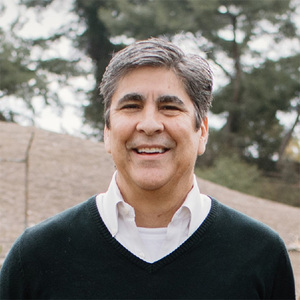
Chris Grace
Chris Grace, Ph.D., is a professor of psychology at Rosemead School of Psychology and Director of the Biola University Center for Marriage and Relationships. With degrees in psychology from the University of Northern Colorado (B.A.) and Colorado State University (M.S. and Ph.D. in Experimental Social Psychology), he has taught and written extensively on relationships, marriage, and the integration of faith and psychology. Honored with awards for both teaching and scholarship, Chris is passionate about making research and biblical wisdom practical and accessible. Together with his wife, Alisa, he speaks nationally to couples, singles, and churches, and co-hosts The Art of Relationships podcast, equipping thousands with tools to build stronger, Christ-centered relationships.

Matthew Williams
Matthew Williams is professor and department chair of the New Testament program and director of the BA-MA programs at Talbot School of Theology, Biola University. Williams was awarded professor of the year by Biola University, and continues to preach and teach in various churches and conferences throughout the United States and Spain. He has published video Bible studies: Gospel of John: Finding Identity and Purpose, The Parables of Jesus, The Forgiveness of Jesus, The Life of Jesus, The Last Days of Jesus, The Prayers of Jesus, The Miracles of Jesus; and co-edited What the New Testament Authors Really Cared About. He is also the general editor for Spanish biblical and theological books in Comentarios Biblicos con Aplicacion: Serie NVI, Biblioteca Teológica Vida, and Colección Teológica Contemporánea.

Alisa Grace
Alisa Grace ('92) serves as the co-director of the Biola University Center for Marriage and Relationships where she also co-teaches a class called "Christian Perspectives on Marriage and Relationships." While she speaks and blogs regularly on topics such as dating relationships, marriage, and love, she also loves mentoring younger women and newly married couples, speaking at retreats and providing premarital counseling. Alisa and her husband, Chris, have been married over 30 years and have three wonderful children: Drew and his wife Julia, Natalie and her husband Neil, and their youngest blessing, Caroline.