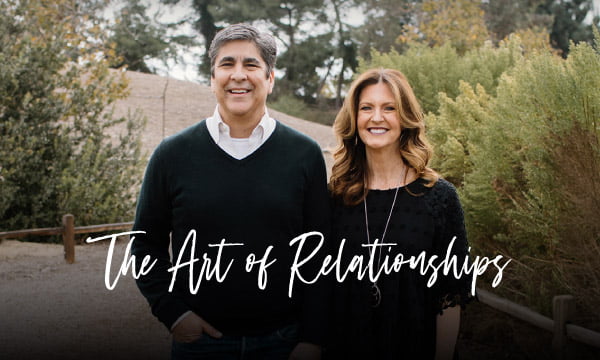
What No One Told You About Sex
In this episode, Chris and Alisa Grace are joined by Amanda Courvoisier, PsyD, to explore what many people were never taught about sex, intimacy, and expectations in relationships. Amanda holds a Psy.D. in Clinical Psychology and an M.A. from the Rosemead School of Psychology at Biola University and is an ABCST Sex Therapy Associate under consultation. Together, they discuss the gap between cultural messages and healthy, biblical perspectives on sex, common misconceptions about sexual intimacy, the role of communication and consent, and how expectations around sex can shape dating and marriage.
The conversation offers practical insight for navigating these topics with honesty, clarity, and respect, helping listeners build healthier, more informed relationships rooted in trust and mutual care.
Resources Mentioned:
- The Great Sex Rescue by Sheila Wray Gregoire – A research-based book addressing harmful sexual teachings in Christian culture and offering a healthier framework for intimacy. https://amzn.to/4czstJ6
- Sheet Music by Kevin Leman – A Christian guide to sexual intimacy in marriage that discusses communication, expectations, and connection between spouses. https://amzn.to/4lyrMCl
Connect with Us:
- Website: cmr.biola.edu
- Facebook: facebook.com/biolacmr
- Instagram: instagram.com/biolacmr
- YouTube: www.youtube.com/@biola-cmr
Join the Conversation:
- Subscribe to The Art of Relationships Podcast to never miss an episode.
- Leave a review on Apple Podcasts, Spotify, or your favorite podcast platform to help others discover the show.
- Share this episode with someone who could benefit from these relationship insights.
- Sign up for weekly updates and resources from the Center for Marriage and Relationships! http://eepurl.com/bgsuQv
About the Hosts:
Chris Grace, Ph.D., and Alisa Grace are passionate about helping people build and sustain healthy relationships. As leaders of the Biola University Center for Marriage and Relationships, they combine the wisdom of Scripture with scholarly research to offer practical advice and insights. Learn more about their work at cmr.biola.edu.
—————
Mandy [00:00:01] Welcome to The Art of Relationships. This podcast is produced by the Biola University Center for Marriage and Relationships, let's get right into it.
Chris [00:00:11] Well, welcome to another Art of Relationships podcast with my awesome co-host, Elisa. This is always fun to be able to talk about cool things in marriage and relationships. And one of the things I think that is maybe the most impactful and transformative in a marriage is not just the consummation of the marriage sexually, but that whole relationship between husband and wife, right? BITS! It's a big deal when it comes to a lot of couples' struggles, when it come to sex.
Alisa [00:00:45] It is. I would say it's probably one of the more frequent questions we get when we're speaking at conferences all over the country. And even to the point where we've had, when we're actually speaking on the topics of sexual intimacy, we've have responses from people that say, wow, I didn't know Christians could talk about sex like this. This was really helpful. And for some, it's the first time they've ever really had an open conversation or heard a discussion. About sexual intimacy, so.
Chris [00:01:18] Yeah, and it reminds me that sex talk is one of the most awkward, difficult moments that when you first start, there's a ballroom of 1,500 people in Detroit, Michigan, and we're up there going, well, let's talk about sex, and everybody's like, half the people are moving closer, and the other half are trying to get out of the room, right? All right, but today, we have a special guest, and we are going to introduce to you Dr. Amanda Kolbesar. I think I said it right. Cov-a-seer? Okay, Co-a seer! CUVACEER!
Amanda [00:01:51] CUVACEER! CUV-
Chris [00:01:51] Coolness here, it's French!
Amanda [00:01:53] It is. The French is couvassier, but couv... Oh, y'all pronounce couv-assier.
Chris [00:01:58] Is your husband French.
Amanda [00:02:00] I think it's more the background, couple generations, but yeah.
Chris [00:02:05] Is your, what was your maiden name, if we can ask? Or. It was. All right.
Amanda [00:02:10] Are you a Biola or? No, no, but I went from three letters to 11 letters. Oh my gosh and how
Alisa [00:02:16] Oh my gosh, and having to spill it every time and pronounce it.
Chris [00:02:20] That's awesome, way to go. Doctor, thanks for joining us. You graduated from Biola University, the Rosemead School of Psychology, just not that long ago, and you started working as a clinical psychologist. Why were you drawn to clinical psych? What was the, what were you hoping for and desiring? Like, I just wanna do therapy or practice, and how did, and then, second follow-up, how did you get into the sex side of this?
Amanda [00:02:50] Um, the clinical psych, honestly, I'm a first-generation college student. And so when I went to college, I just thought I was going to be there for four years. And I really just resonated with the psychology professors there. And I had some great mentors there and they encouraged me to get my doctorate. I honestly didn't know any different. And they said, I think you need to get your doctorate, so I listened to that advice. I didn't really know what I was getting into and here I am. I'm glad I did. It was great training. I think I wanted to get as much training as I could and to me that meant a doctorate, but obviously people have their masters. I have great respect for them and they do great work too, but just for me, that was the road I decided to take.
Chris [00:03:32] That was the road. And you found yourself eventually at the Center for Individual and Family Therapy, short name called SIFT. How long have you been at SIFTT as a therapist?
Amanda [00:03:44] I was just talking to Lisa, almost over 20 years. 20 years? Yes.
Chris [00:03:48] And right out of Rosemead.
Amanda [00:03:49] Right out of Rosemead. I had my doctorate, but I needed to get my hours, additional hours to get licensed. And then despite two years, we moved out of the state and we decided to come back and God brought us back to Sift again into Orange County. So.
Chris [00:04:04] Dr. Jim Mastel or no doubt was important and I assume I was a professor at the time you were here. I don't know that for certain, but I think.
Alisa [00:04:13] You were the undergraduate chair.
Chris [00:04:14] I wouldn't encourage her to share yet.
Alisa [00:04:16] Yeah, we were
Chris [00:04:17] We were both, you know, all of us were in our 20s when we finished, and so that worked out really well for me to be so young. Lisa. Let's talk about, with Dr. Amanda, what can be and oftentimes is an area fra, an area that usually works perfectly well in a lot of marriages, right? They just go and they, you now, get married and their sexual life is fulfilling. But there's a large percentage of couples that you run into, that we run into that struggle from the get-go in the area of sex. And then marriage doesn't seem to make it better all the time with the other things that go on. Like you have children and you have busyness and all of a sudden, man, there's ton of questions out there.
Alisa [00:05:08] You know, I wanted to ask you a minute if, okay, so God designed sex. It was his idea, right? So we shouldn't be afraid or embarrassed to talk about what God was not embarrassed to create. So why do you think this particular area is such a hard area for couples to talk abou?
Amanda [00:05:30] I think there's just a lot of vulnerability around it. I think our, who we are as sexual beings and how we express that is such the most vulnerable place that we can be. And so I think it's just hard to express and put words to that vulnerability and sometimes our shame attached to that vulnerability and so it's hard for couples to have conversations.
Chris [00:05:56] It's so weird how the enemy seems to have really attacked this area from the moment Adam and Eve started, right? The relationship was, God made it all, made Adam and eve and said, it is good, right. And then sin came in and it seemed like when you say the word vulnerability, that's the weirdest thing that something that is so cool, so amazing, so God given. Causes such the opposite reaction. What should bring pleasure brings pain. What should brings trust and union brings vulnerability and distance, right? And then what should bring something like happiness and joy brings shame. And it's been going on now. I mean, you're never gonna be out of a job, are you? Because this goes on and on and it continues today. I think it starts, go ahead, yeah.
Alisa [00:06:54] Well, I was curious, in your practice, have you seen a difference, like I want to key in on that word that you use shame. You both used it. And that can be such an obstacle or a factor for some couples in this being a difficult area. Do you see a difference between Christian and non-Christian populations in regard to the area of shame as it relates to any sexual dysfunction or issues they're experiencing.
Amanda [00:07:28] I do primarily work with a lot of Christians. So that's probably a little bit more of my subset, but even in the clients that I do have and the stuff that I read about and interact with, I think shame can come up in a lot different ways. I think for Christians, some of that shame may be around maybe some messages they got unintentionally through their family or in the church, you know, that maybe sex, you should wait to have sex till you're married and The unintended message is that sex is bad until you're married. And so for them, they come into the idea that sex is bad and then they don't know what to do with that one all of a sudden. It's supposed to be good in marriage and so they're holding this kind of shame around their sexuality. They don't how to dress. For some other people, there could be shame because maybe they were sexually abused or there was some sexual victimization and with that, they've just associated sex with something negative.
Chris [00:08:27] Yeah, yeah, something negative. In your practice, you see lots of different things, but I'm guessing you see a lot of myths out there that we hold on to, kind of like that one, that sex is bad. What would you say are some of the biggest myths out there that you run into when it comes to sexuality in a marriage relationship?
Amanda [00:08:48] Sure, I think one of the big ones is sex is intercourse and orgasm.
Alisa [00:08:54] And that's it.
Amanda [00:08:55] And that's it, and that's what their people are trained to kind of focus on. Even the word like foreplay is supposed to lead up to inner force and orgasm. I know some sex therapists who don't even like to use the word foreplay because it somehow de-emphasizes the importance of it and the focus is just, you know, it's a lead up, it's the precursor to the intercourse and orgasms.
Chris [00:09:20] Yeah, interesting, so it's two things, intercourse and orgasm, for some people, and it's a myth in some ways because you're saying, I think, foreplay is extremely critical to the two things. In fact, it may be the secret to intercourse and orgasms, yeah, it maybe the secret to interourse and orgasming. Is that kind of the idea that foreplay plays this essential that some people just don't get, or they focus too much on? Intercourse and orgasm and if it doesn't happen for one, then something's wrong with our marriage.
Amanda [00:09:54] Yeah, exactly. When they just see that as the only narrow focus of sex, that's usually when sex tends to become a problem. Barry McCarthy, he is a sex therapist, he's an expert in the field, and I love his definition of sexuality. He says, sexuality is giving and receiving pleasure-oriented touch. And that's what it is.
Alisa [00:10:17] It really expands the definition, then.
Chris [00:10:20] Yeah, what does that help you in your practice with some clients where they kind of catch it for the first time like, oh, it's okay. Touch, you know, can be just an okay thing even if we don't lead to intercourse or orgasm.
Amanda [00:10:37] Yeah, that seems to be something that I deal with all the time because they're stuck usually when they come to me and there's so much pressure around sex and they're they're focused so much on the orgasm and the intercourse and the more pressure you put on something, the less likely it's gonna happen. It's kind of the paradox or the irony of sexual responsiveness. The harder you try to make arousal, orgasm, and intercourse happen, the likely it actually is. So we have to expand and have a more broad idea of what sex really looks like.
Alisa [00:11:11] So would you say then that that definition of sex includes non-sexual touch?
Amanda [00:11:19] Yeah, I think that's part of the process, right? Sometimes couples get into a only sex or no touching at all. They don't learn how to build non-sexual kind of touches. And that is important for bridging like desire from going from being not sexual to sexual. So how would you, I'm sorry, were you gonna?
Chris [00:11:41] Well, no, I was just going to say that we learned that pretty quickly where in our marriage, you know, I don't think we landed on the myth that it's only, you know intercourse and orgasm, you now. But I do remember, Lisa, you saying, hey, when we kiss and hug in the morning, when We touch and hug and are affectionate throughout the day. It makes me more ready for night time or whenever, right? And that's kind of the point, isn't it? Yeah, it's just that, it just like, there's a lot of non-sexual touch throughout the day and emotional connection that is actually critical to the whole thing. There goes on. So if.
Alisa [00:12:25] So if you were going to work on, in your own marriage, on busting that myth, so what are some practical steps in terms of encouraging a more holistic view and some of that mutual pleasurable touch? What's that look like?
Amanda [00:12:43] For some people that could be scheduling or setting aside time for connection and sexual connection without a demand for intercourse or orgasm, like agreeing together, like, hey, we're gonna have time or we're just gonna be together physically and sexually and we're open to whatever that looks like, but that doesn't have to be sex or intercourse or anything like that. We just wanna be open to the possibilities and there's no pressure and. That can be hard for some couples to adjust to.
Chris [00:13:15] The vulnerability, right, comes in too, right? That notion that if that's how you view sex and we're not there, it's like, whoa, that can seem to have some, I'm not sure I'm ready for that. And that could kind of point out, okay, then let's talk about this need for emotional closeness and connection, not just physical, you know, intercourse, but just even that physical touch. It could be tough for couples, right. Vera felt that sometimes in marriage like everything starts to pull you apart and it's just not a coincidence, right?
Alisa [00:13:55] Yeah, the Bible reminds us that we have a very real enemy. It's been trying to divide couples since the Garden of Eden.
Chris [00:14:04] At least I think it's why and one of the things that led us to creating the Going Deeper Together Spiritual Armor Required. It's a five lesson course that equips couples to recognize the enemy's tactics and help you stand strong together.
Alisa [00:14:18] And you'll discover the number one way that enemy gains an advantage and how to counter it with really practical biblical
Chris [00:14:26] Isn't it truly since this your spouse isn't the enemy is the enemy that's the enemy
Alisa [00:14:32] And if you want to protect and strengthen your marriage, this course is for you. So you'll find all the details in the show notes, so check it out.
Chris [00:14:45] So, another myth then that you see, Dr. Amanda, in your practice that is really kind of impactful in the couples that you love to dispel.
Amanda [00:15:01] Yeah, that is that sex should be spontaneous, and that it should just come super easily. Where do you think that myth comes from? Probably movies.
Chris [00:15:15] Our culture, right? Everything is like simple, straightforward, right. It just happens. You both are ready. You both know it. There's no need to talk about it. Like, all right, it just happened. Our culture is full of that. And I guess there's some truth. There are some couples. It's just spontaneous and passionate all the time. At least it calls me both of those words. Man, you're Mr. Spontaneity and Mr. Passionate and you're awesome. And I'm like, I know, but sometimes at least we've had to learn this whole, that it's not always spontaneous. Sometimes you've got to plan it.
Alisa [00:15:53] We found that really once we had kids That made a huge difference that you just don't have as much time and mental and physical energy for that Spontaneity, so is that a bad thing or is that okay to schedule sex? I think it's great
Amanda [00:16:10] As long as there's no pressure behind it or it's not being weaponized in some way.
Alisa [00:16:16] What do you mean?
Amanda [00:16:18] Like for some couples, especially in a typical couple, there's usually one who has a higher desire and one who as a lower desire. And so sometimes I think the higher desire partner can want to schedule sex because they know what's going to happen and that can feel almost pressure to the lower desire or partner or it could feel like maybe a chore or duty and you don't want to make it into that. So you have to be really intentional about, are you in a safe? Marriage, do you feel like you can you can say no is there a freed of demand to have intercourse? And are you guys gonna be okay if it doesn't work out exactly so I think as long as those things are there And you guys are teammates being intentional about scheduling that time is important. Just like you would anything else in your life
Chris [00:17:05] Yeah, I remember at least you scheduling it. I'm thinking, this is such a chore for me. Every day, twice a day.
Alisa [00:17:14] Please, I haven't...
Chris [00:17:15] I am more than just a body. I mean, I'm like, woman, look at the whole bag.
Alisa [00:17:21] Just like that, but anyway
Chris [00:17:22] But anyway, no, that whole idea of chore and duty could be important to kind of go through because that's the opposite of spontaneous and passionate.
Alisa [00:17:30] And I think even just being really, you know, vulnerable ourselves with this, is that, okay, you would be the higher desire, I would be more neutral, but hey, I'm open for it, you know? But you would probably be more of the initiator.
Chris [00:17:46] Dr. Mender, we got issues.
Amanda [00:17:49] Actually, what you're talking about is very normal.
Chris [00:17:51] It is, so one of us is in drive, one of is in neutral, and I think we could use that analogy, one of could be in park, right, in a marriage relationship. And hopefully, but you gotta use numbers and stats to go, well, probably only about 15% of people are both high desire, 15 are probably both in neutral.
Amanda [00:18:16] It's actually one of the most common issues that couples seek sex therapy for is we call it sexual desire discrepancy.
Chris [00:18:25] Because I think in sexual desire, I think this helps more people out there when they finally grasp. And here's what happened. We're going along in life. We're married, I don't know, 10 years now before we finally grasp this concept. And it was, so every time I would initiate, I got to a point where I started thinking, why isn't she? Wait, doesn't she initiate? So I decided, you know, wrongly to go, well, then I will initiate, I'll just wait. And I'm like, waiting. And so 14 years go by and I'm- I'm in neutral.
Alisa [00:19:09] And I'm just happily going along. We're doing great.
Chris [00:19:11] It wasn't 14 years, but it was 14 days. And I'm like, what is going on with her? This is, she doesn't desire me. She doesn't want me. Is that kind of what the person that's in drive hears oftentimes?
Amanda [00:19:26] Sure, I think they sometimes get the message, I'm not wanted, I'm attractive. A lot of rejection can come from that.
Alisa [00:19:36] Yeah, I was going to say, I think one of the things that I did to help combat that as we were going along was to I think to avoid that idea or that feeling that oh well it's going to be a duty, something that I have to do even though because I was the more neutral but something that somebody told me once that made a lot of difference was I began, as we scheduled it and planned for it more with our kids, it was always Wednesday night, awanas, we're dropping the kids off and then we're going to go to dinner and then go home and have some intimate time. One of the things that somebody told me to do that was super helpful, Amanda, was to begin planning it earlier in the day. What can I do to make it a really fun, romantic time for us to connect? I could start sending them some, you know, sexy text messages. Because what I found was that as I began to plan for it and anticipate it and build in that positive perspective of it, it changed my perspective. And then now I'm much more excited about it and thinking about initiating and being prepared for that. But that was one of the steps that I took was, ah, I can plan for and build that anticipation Not only for him, but for myself
Chris [00:21:01] And that was really helpful. Well, the person that gave her the advice, I still send flowers and chocolates to you all the time, anonymously. Said, thank you, Jesus, for Alisa doing this. What happens when you have these different desire types? And what other recommendations would you have, right? Now, let's do this. If they're in part, you know my analogy, right, if they're part. That's going to be, they're going to feed the card to you, right? There's been some trauma usually or something going on. But let's talk about maybe those that are at one neutral, one drive. What do you think about that?
Amanda [00:21:38] Well, the first thing is just providing information about those differences, about the sexual desire differences. Cause I think most people, all that's usually expressed in culture is this spontaneous desire, sexual desire, or I think it's also called initiating.
Chris [00:21:55] You're initiating, spontaneity.
Amanda [00:21:57] Spontaneous. But there's a big group of people, a high majority of them women, but there's also men that's called more of a responsive desire. And so I think to normalize that really does help put words in language. I have women come to my office and they tell me, something's wrong, I don't have a sex drive. But they're thinking of spontaneous sex drive, so my follow-up question is- Well, once you start engaging in sex, do you enjoy it? Do you get aroused? I said, yes. And I said you're perfectly normal.
Chris [00:22:28] Oh, that's really awful, Dr. Miranda. And I think, Lisa, for me, it was recognizing, I took it the next step. Not only, I always thought you were normal, because you, you know, you enjoyed it. And all these things, but it was when we figured out that this initiating desire wasn't necessarily part of your makeup, but you were always so responsive to that moment. And I remember going, okay, wait a minute, she's not, not, doesn't, you know, it's not that you don't like me or don't desire me or don't like sex, it just was frankly learning that, oh, all right, you just. Once I made the suggestion, I think the coolest thing you did was, I'll be honest, for me and this could be it as the initiator, it was when I did, you rarely, if ever, shut me down. It wasn't like, oh, Chris, come on, not tonight. You know, and you're like, okay, that's what initiators are used to, a little bit of disappointment. But I think you were very careful and very thoughtful about that. And, um. Anyway, so I think that's a good thing to do. I'm sure you have other ideas and suggestions when they're mismatched.
Amanda [00:23:42] Well, no, I think that's a great idea in terms of being open. But sometimes women aren't going to be open or if the response desire is a male, sometimes, you know, they're not going to open it. And to really get a yes from sex, you need to have freedom to say no to. And that's such an important skill to negotiate. And so I think, you now, how we talk about sex is more than intercourse and orgasm. Sometimes that means doing other things. Maybe you're not in the mood for that kind of sexual instinct that maybe you want to cuddle or maybe you just don't know. Yeah, you want spend time together and some of the research that I've kind of looked at doing a partner activity together is more important than just shutting them down. So and that doesn't even have to be a sexual activity.
Chris [00:24:26] Yeah, no, that's good.
Alisa [00:24:27] It reminds me a lot of Gottman's bids for connection. So if you're paying attention to that bid from your partner to connect emotionally, to do an activity together, that really goes a long way to building rapport and relationship, those investments in each other's love banks, so that if you say no, it doesn't bankrupt the relationship. It doesn't damage it if you've been really intentional about building up your part, investing in your relationship in other ways. Is that what you're saying?
Amanda [00:25:08] Yeah, I'm just saying I'm having alternative ways to be kind of connected and seeing sometimes I guess I'm using the stereotypical genders of the man being the initiator. I know that's not no, you know Yeah, yeah, I know it's not always the case but When they initiate and and they get turned down they can feel you know A lot of rejection with that and women just feel like oh they just want sex But they don't know when understand for a lot of men. That's actually their bid for connection And so you get in that way, I think helps change the narrative.
Chris [00:25:43] You brought it forward, negotiating, and I think that's the awesome one, right? It's, you can do that, and it's hard to talk about sex sometimes. I mean, of all the things, it's to have these conversations with your partner about sex, right, and so to negotiate, well, I don't feel tonight is perfect, maybe we can just cuddle, but could we schedule or think about maybe tomorrow or when the kids are gone, right. I mean that's negotiating, and that's hard. You also said something I think that's really interesting. In kind of the research. And it's this idea that when two people are in this, marriage relationship and sexuality comes up, one of the things that ends up happening is not just these different desire types, right? But our responses to them are shaped by what we think should happen or what we thing culture says or. This should be the way she responds. And then all of a sudden, something about the way I view this is kind of skewed. And I imagine it's trying to figure out where did this sex idea come from for you? I mean, that's kind of can go deep there, huh?
Amanda [00:26:57] Yeah, we call those our sexual scripts. So what are the scripts we've kind of internalized about what sex should be like or attitudes, beliefs. And so we have to sometimes deconstruct those sexual scripts in our marriage because what we're experiencing in our marriage does not align with what we kind of brought our expectations, what we brought into. So that's why communication is so important to really understand and clarify where our partner is coming from.
Chris [00:27:26] Yeah, and that kind of leads into another myth I know you're familiar with and it's that that kind of myth that oh it should be easy it should, be natural it should just be.
Alisa [00:27:37] If we just wait till we get married, then it's all going to be fantastic sex for Nanon.
Amanda [00:27:43] Yeah.
Alisa [00:27:44] Is that true?
Amanda [00:27:46] Well, for some people, I'm sure it is. Why would you even have to? Wait, I don't.
Chris [00:27:50] What is that? Because it was true for me. Yeah, it was true for us.
Amanda [00:27:56] Yes, it was an area my husband and I had to work on as well. I think you originally asked me how I got into this. I always enjoy working with couples. And I grew up in the church. And I had a positive view of sex, but then you get to marriage and you're like, oh, this isn't exactly what I thought it was gonna be. And you knew some things missing. So I think I wanted to study it more and learn about it more. And. But for most, I think, marital newlyweds, they do have a big disappointment sometimes because they're expecting fireworks, and I think the church does a good job at times of discussing how great it is and how sacred and how intimate, but we don't always talk about, it's gonna take some time. I always tell people, if the first day you walk into your chemistry class, you're not gonna know how to do it, right? Like, it's gonna take time to learn.
Chris [00:28:57] It was the last day I walked out and I still didn't know how to say what I saw. That chemistry was what? Yeah. Okay, but keep going. Yeah.
Amanda [00:29:05] No, I think it's just gonna take time to learn your body, what works for you sexually, what works for your partner, and then how you guys work together, and then, how that ebbs and flows through the phases of life, that's gonna change.
Alisa [00:29:19] Boy, that is so true. What are some of the things when you think about the ebb and flow of life, what are those things that impact your sexual intimacy? What are things that people should be just on the lookout for or aware of that maybe they're experiencing and they don't even realize, oh, this is a thing.
Amanda [00:29:38] Yeah, I realize that. That probably goes into what we'd call breaks and accelerators, you know, in terms of our sexual desire.
Chris [00:29:45] Using same analogy, that's good
Amanda [00:29:47] Yeah, breaks and accelerators, they kind of call it. Some of those breaks people aren't aware of is basic stuff like time. Do you have enough time? Energy. Stress levels. I have people coming into my office and they're struggling with sex and they think it's going to be this deep like, I don't know, unconscious issue that's really they're just stressed and they need to rest and they have to find a time to connects sexually when they have the most energy. You know, so I think those are common breaks, even mental health issues, depression, anxiety. You have a small subset of people that can increase their sex drive, but for some people, it really does reduce it.
Chris [00:30:31] You know, there's this great article, we're talking fall of 2025 here, great article in the Wall Street Journal recently about the use of SSRIs, right, anti-depressants, in 30-year-olds, you know, in that generation, I don't know if that's younger than Gen X, Gen Z's, whatever. But they're more, they're using it more. In fact, there's a lot of TikTok trends, speaking of psychology, that are horrible on, you know, the psychology of, let me tell you, I'm a TikToker, and I can tell you all about psychology. But one of those is really now opening up to take more of these antidepressants. They kind of help you. But one the side effects is a lower libido, right? And it can really lower that.
Amanda [00:31:18] Well, yeah, not even a little bit, but just even your sexual responsiveness, your ability, your intensity for arousal and how long it may take to have an orgasm gets reduced. And some people need to be on those medications and they have to weigh the risks and benefits of that. But I think it's important for them to be aware of. But that's the first thing I learned in one of my classes, SSRIs are, you know, have a really big impact on your sexual kind of responsiveness.
Chris [00:31:44] Yeah, and if you don't know, I mean, most people know, but if it's not, SSRIs are Selective Serotonin Reuptake Inhibitors, which basically are just antidepressants. They keep serotonin out there, which is really the feel-good, you know, that helps you. And so the common, you now, SSRIs or NSRIs, right, and you know norepinephrine, same kind of thing. These are things like Lexapro and Symbalta.
Alisa [00:32:15] Of common anti-anxiety medication.
Chris [00:32:16] Even some anti-anxiety medications that can be used in both, right? And we're talking to the clinician here, but all that to say, there's some physical things, right, for a small percentage sex just is painful or it doesn't work, and in that you have to do some other things, right?
Amanda [00:32:34] Yeah, so pain can be a really big problem. I think sometimes people have the assumption that there should be some pain in the beginning during sex, but there really shouldn't be. And if you continue to engage sexually with pain, it's gonna create more problems because you're kind of pairing this negative experience with it, and then you start to avoid it. We're not made to enjoy pain, right? And so we start. There's kind of a pain cycle where you anticipate the pain and so then you become more anxious about it and then that creates more pain too. So it's just a vicious cycle.
Chris [00:33:13] Yeah, no, associative stuff can be really important in this, right, if that's what you associate with or you associate it with only when you're drinking alcohol and you're drunk or whatever.
Alisa [00:33:25] And I think just even being at the season of life where I would be would be hormonal changes. Can you talk a little bit about that?
Amanda [00:33:34] Sure, that's like a big area right now, but I'm even thinking of newlyweds and some of the hormonal changes. A lot of them decide to use oral contraceptives, and that does tend to reduce your sexual drive, and they don't always understand that, or that it's gonna actually impact them, and so hormones play a big impact where you're at in your menstrual cycle, you know? Perimenopause. Yeah you will have side effects of maybe vaginal dryness so then sexual intercourse becomes more painful and so being aware of those pieces as well and taking care of the physiological side was important.
Alisa [00:34:14] Yeah and you know I think even just being really caring of your wife that might be going through things like paraminopause and menopause where you have those kind of crazy hormonal changes going on maybe with the birth control that you were talking about. Just even being at this stage in life where that menopausal really affects your responsiveness, your desire level. Which is, you know, if it was neutral before, it seems like it's even less than neutral sometimes and has nothing to do with our relationship in terms of how close we feel, how well we're getting along, how much we're investing. It's just a physiological thing. Yeah. So what do you do for couples that are in that space specifically?
Amanda [00:35:08] I think they really need to get help from a physician as well. Like we can't ignore that piece. So we're not gonna start sex therapy exercises, you know, if someone's in pain or if physiologically there's some things. It's kind of like we would just be on a hamster wheel. And so that's kind the first rule is like we need to rule out those medical issues before we really engage in some of the more traditional sex therapy. So start with your doctor. Go see your doctor, it's important, yeah.
Chris [00:35:39] And fortunately, the vast majority of issues can either be taken care of like medically at the beginning or they never really come into play. And this has been, now you start seeing these couples where, all right, we've ruled all of that out, right? Now it's, tell me the role emotions play when it comes to sex. I mean, a lot of people are like, okay. I don't care if there's like noise outside and you know, the kids are running around. If we have a lock on the door, you know it's like, it's all right, this is awesome, we're alone. And some people in our marriage. I hear kids, that's not happening. It's like there's kids outside, I'm like, but the door's locked. I put a bowl of cereal and a gallon of milk. And I said, how about it, we'll see you guys in an hour. In fact, if you want, I could do it in five minutes. But we just used to say, Dr. Amanda, that it was easier for her to shut the world, for me to shut out the world out, but not for the other person. And that could be an issue too, right?
Amanda [00:36:49] Oh, definitely. We'd call it the context of the sexual experience. Rosemary Besson, she developed a sexual response kind of cycle, really focused on women. And she really highlighted the importance of context. And one of those is just the setup, right? So for some people, the atmosphere, what going, what goes on has a big impact. It can be an accelerator or it can be a break. And especially for women, they tend to be multi-taskers and it's a little bit harder for them to kind of focus. So if they hear kids in the background. Yeah, it's messed up. Yeah, or if the house is a mess, it is much harder.
Chris [00:37:29] Yesterday's fight. I'll be honest with you. I just don't understand what you two are saying right now. I mean I know you're using words. Words. But I don't get it, but you know, in all honesty though, it really, you know opened my eyes to, oh, this is a full, everything is involved in the context, the culture, everything about it is important to some members of the marital union, right? And I remember kind of grasping at least going, oh, all right. Even though the kids are asleep, they're all be barely asleep, you know, we got to wait till 10 when they're fully asleep. Yeah. And I started to get it. I started understand it a little bit more.
Alisa [00:38:16] Or when kids come home from college on the holidays or summers. That can impact it too, because they're up at all hours of the night. So you can't wait until they're really asleep, because you'll be up till four.
Chris [00:38:28] Yeah, we recently are trying to give away our college-age daughter or during Christmas break or like I've heard I
Alisa [00:38:35] Can you guys stay with a friend today?
Chris [00:38:36] Just would you please leave? No, yeah, so if you had to kind of summarize or what areas do you think would be most important in this? And we talked about myths. We talked about getting therapy in certain cases. And we talk about even ruling out medical things. What would you say is it? Understanding the mess? Is it education? Is that all of that combined? And is it just recognizing that we're different and we have different types, different desire types, different response types? What is it for you that you're like, gosh, this is the message I would give? And it could be multi-pronged.
Amanda [00:39:21] Well, I was going to say, I think it's really multifaceted. I feel like any one of these issues we could spend hours, you know, talking about. So we're just scratching the surface. So anyone is struggling on one of those issues. There's there is a depth there to understand and work on. But I think the number one thing I would encourage is communication with your couple, with your partner about sex. That's in everything that I've read. That's just kind of like the number of the one. The first step, can we communicate about this? Do we feel safe? Do we have a shared language? That's great.
Alisa [00:40:01] What if a couple has a hard time communicating? It's like, OK, we'd love to have that kind of conversation, but we don't know how to. Where do you even start to find the verbiage to know how express yourself?
Amanda [00:40:18] I think a great way is to find a book on sex and read it together. Do you have one you recommend? So I know Shanty Feldhahn was here and she wrote a book with Dr. Michael Seitzma. They have a great book. I actually, I'm gonna give him credit because I got the idea from him in his class. Well, let's start with-
Chris [00:40:36] Well, a lot of us get ideas from you and we steal it and call it our own eventually.
Amanda [00:40:40] So I'm just going to name that. But I've been starting to incorporate that with my couples, especially the ones that are having trouble having discussions, is reading a book. So their book, The Secret of Sex and Marriage, I think it's called. Also, The Celebration of Sex is another good one. It was just general, basic stuff.
Chris [00:41:00] Yeah, I know who that one's by, I don't know.
Amanda [00:41:01] I'm Doug Rossonel.
Chris [00:41:02] And who who wrote I think it's Kevin Lehman wrote sheet music if you're not familiar that one You know sheet music meaning kind of play on words, right? We make music between it's between the sheets and then sheet music and we love that one as well Lehman's a great, you know research psychologist, dude Those are some great. So just get a book Read it
Amanda [00:41:25] read it out loud together. And together. So yeah, very out loud. Because you're practicing saying the words, you know, you're practicing, sometimes they don't even feel comfortable saying breasts and genitals and just being able to get comfortable because a lot of times couples in my office, they're talking vaguely. And so I'm like, oh, it's uncomfortable.
Chris [00:41:48] It's why you almost all couples have like a name for sex, right? It's, you know, like we used to ask them, what's the pet name? The code word. Code word for sex and there was so many very code words.
Amanda [00:42:00] Code names are okay if it's playful and fun and you guys know what you're both talking about, but sometimes it's not clear, you know, they're having conversations and I'm like, I don't know if they quite understand what the other person is saying, so we have to become explicit.
Chris [00:42:14] And by reading it, not only together, but sometimes out loud, you get a little bit more comfortable saying those words. I remember one of our early, early books that we read. I can't remember some about pleasure, the secrets of pleasure, I don't remember. But all that to say, the day I saw it highlighted, dog-eared, and upside down on the right page on my pillow. I remember going, read this part. Oh, this is gonna be a good night. This, I mean what she underlined, I'm like, holy moly, you are awesome.
Alisa [00:42:52] Well, I would say that that was an area that we didn't really cover in our premarital counseling. So we didnt have, I think really, I know I didnnt feel as comfortable having conversations about it. It took a long time and several years in our marriage before we could really tie comfortably. And I think there could have been, we could have avoided a lot of heartache had we been able to. And I think that's one of the real benefits of really good pre-marital education and counseling before you even get married. So you learn how to talk about it, you learn to be more explicit, yeah, and practice it.
Chris [00:43:30] In fact, we require them to take the book, sheet music, you have to read the first three chapters before the wedding and then the next you read together after the wedding.
Alisa [00:43:43] You're right.
Chris [00:43:43] I think that's really helpful and good. Okay, other advice, Dr. Amanda, as we get ready to head out of here, what would you say is, so I love what you said is, talk about it, read a book together, say the words out loud, and use that. Anything else that you've seen in your practice, like, yeah, I think you just grab ahold of this.
Amanda [00:44:10] I think the desire differences are super important because, like I said, it is become teammates and not blame one person over the other and feel guilty, feel effective. I see that as just a common issue.
Chris [00:44:32] And those three, I mean, in your language and in ours, it might be the same. So the one that would be, in part, we would call that resistance. Is that what the word you would use? Sexual kind of things. I'm not ready, I don't want this, and they're in a resistance mode. Would that be right? Sure. And then receptive would be somebody in neutral. Is that the idea? They're like, yeah, I'm open to sex. I just, it does not occupy every moment of my time. One thing.
Alisa [00:44:58] About it, but yeah, could be persuaded, yeah.
Amanda [00:45:01] We might call it responsive.
Chris [00:45:03] Responsive yeah and then what about the third one the one that
Amanda [00:45:06] I think that R is rearing to go. Yeah. So it would probably be called spontaneous.
Chris [00:45:12] Well, that's helpful for anybody listening, like what desire types? And there's a way to study and to figure out where you at, I mean, you can just type in sexual desires into Google search and you'll find a way, desire types, yeah, to take a test and kind of see where you're at and use that to have a conversation with your spouse. That'd be awesome. Lisa, man, this topic is awesome. At one, we can get free therapy. Not that we need it.
Amanda [00:45:38] Well, I guess you guys are doing pretty well in that department.
Chris [00:45:42] Yes, right now. I've been scheduling as we're talking. I'm scheduling sex right now
Alisa [00:45:47] Our kids are neaping in the waters anymore. No, they're out in the water.
Chris [00:45:49] We know there are one in the home, but we'll get her out of the way.
Alisa [00:45:54] Or working on her.
Chris [00:45:56] Oh, good. Well, anyway, anything else, Lise? I mean, this is such an important topic for couples. And this for couples, whether they're engaged, right? This is nearly married. Or nearly 30 years. 30 years! I love how you said it changes, we, the ebbs and flows. And we have to, how do you communicate those kinds of things? You have to have this conversation regularly. Yeah. You can't just have this, you're one and done. Oh, we're covered. One and done, right. Wait, it's something you almost- You just schedule those times. Hey, how are we doing sexual? How are we dealing with our intimacy?
Alisa [00:46:31] Feeling about it yeah anything you would change or that you would like to do differently well any other question like that that would be helpful if you're having a conversation about it
Amanda [00:46:42] I think those are great kind of check-ins. I think it's when just if you have a natural kind of rhythm of a sexual relationship I think that just happens organically in any ways if you know, there's health there and you're having regular conversations But if you don't know where to start, I think about a great question of how are you feeling about it? How are you thinking about our sexual connection? I've you know if I feel like we're disconnected We haven't had as much time together sexually. How do you feel about that? You know, just opening up If you are noticing something and feeling the disconnect.
Chris [00:47:15] That's great. And so we're going to recommend a couple of things. You mentioned a couple very important books. Shanti Feldman, you mentioned they can Google her. Yeah, we'll put links to it in the show. They can Google him.
Alisa [00:47:28] Any others that you would recommend, we will just link to it in the show notes.
Chris [00:47:33] And then Kevin Lehman's sheet music and also we should let you all know that if you are in this and it's very troubling, disappointing, discouraging, shameful, probably the best thing, Lise, I would suggest is finding somebody like Dr. Amanda. In the area, wherever you're at, there's probably a good counseling center. We recommend, you know, the Center for Individual and Family Therapy, Sid. California. Where you're in Southern California.
Alisa [00:48:03] Is it, is there like, if the couples were struggling in this area and they're looking for a really good, solid therapist, a believer that's trained with these extra certifications like you're doing, how do they find somebody like that?
Amanda [00:48:21] Probably the one that I'm most familiar with is the Institute for Sexual Wholeness. That's where I'm getting some of my training, but they do have a website where you can find a therapist who's either already certified or they're partway through their process and have enough hours, all believers, and have really good training. So I would suggest that. And I just wanna encourage people. I know... It's such a vulnerable part of your life, but there is hope there, you know? And there is help, and it's an honor to walk alongside people in that area. When people let you in, they're letting you into really willful space.
Chris [00:48:55] You're in a very almost sacred place, isn't it? Yes, very sacred. And I love that's a great way to end. There's hope. You're not alone. And there are people there who will walk with you through this. Well, I love it. Dr. Mann, thanks.
Alisa [00:49:10] Thank you so much for being with us. And again, we'll link to all of the details that we talked about here in our show notes. We're so glad that you joined us today. We know that you had a choice and so we're glad that you spent this time with us, check out our website at cmr.biola.edu and we'll see you next time on the Art of Relationships.
Chris [00:49:33] Thanks, man.
Mandy [00:49:36] We're very glad you joined us for today's podcast. For more resources on marriage and healthy relationships, please visit our website at cmr.biola.edu. We'll see you next time on The Art of Relationships.
Authors

Chris Grace
Chris Grace, Ph.D., is a professor of psychology at Rosemead School of Psychology and Director of the Biola University Center for Marriage and Relationships. With degrees in psychology from the University of Northern Colorado (B.A.) and Colorado State University (M.S. and Ph.D. in Experimental Social Psychology), he has taught and written extensively on relationships, marriage, and the integration of faith and psychology. Honored with awards for both teaching and scholarship, Chris is passionate about making research and biblical wisdom practical and accessible. Together with his wife, Alisa, he speaks nationally to couples, singles, and churches, and co-hosts The Art of Relationships podcast, equipping thousands with tools to build stronger, Christ-centered relationships.
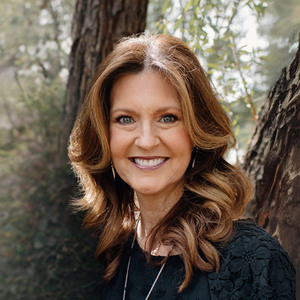
Alisa Grace
Alisa Grace ('92) serves as the co-director of the Biola University Center for Marriage and Relationships where she also co-teaches a class called "Christian Perspectives on Marriage and Relationships." While she speaks and blogs regularly on topics such as dating relationships, marriage, and love, she also loves mentoring younger women and newly married couples, speaking at retreats and providing premarital counseling. Alisa and her husband, Chris, have been married over 30 years and have three wonderful children: Drew and his wife Julia, Natalie and her husband Neil, and their youngest blessing, Caroline.