What Makes a Healthy Relationship?

In a previous blog, I shared several relationship red flags and warning signs of unhealthy dynamics. Those signs matter because relationships shape our emotional, spiritual, and relational well being. But recognizing unhealthy patterns is only part of the picture. It is just as important to understand what healthy, God honoring relationships actually look like.
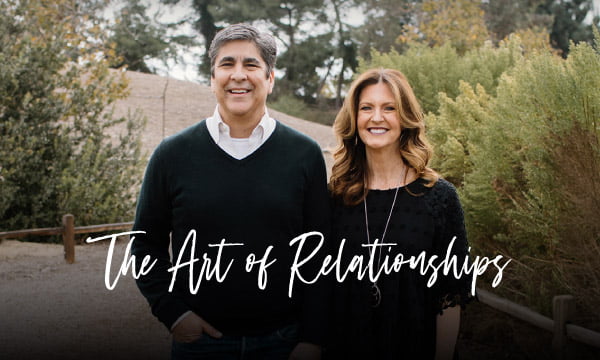
As I mentioned in that blog, for 12 years now I have been co directing the Center for Marriage and Relationships and have spoken to and counseled with over 10,000 college students over the past 30+ years. And I have been happily married for almost 40 years.
To summarize those earlier red flags, it is probably NOT a healthy relationship if they criticize or constantly correct you, belittle you, or call you names; pressure you for sex or to break boundaries; give you the silent treatment or withhold affection over small transgressions; struggle with alcohol or drugs, regularly view pornography, or are otherwise destructive or dangerous.
You can also count on trouble if they always blame their exes for their problems, your friends and family advise you to break up, or they treat your family and friends poorly. Similarly, if they often spend all day or night on video games, Instagram, or checking posts and texts, and follow or like questionable posts, influencers, or social media personalities, you may be in for trouble.
So what makes for a healthy relationship, whether dating, engaged or married, and why is it so important for us Christians?
The Bible says in John 13:34 to 35, “A new commandment I give to you, that you love one another: just as I have loved you, you also are to love one another. By this all people will know that you are my disciples, if you have love for one another.”
We love each other so well that it literally draws people to us, wanting to know how we do it. This opens the door to the Gospel, and we become participants in the Great Commission.
In sum, I believe healthy relationships come down to love for others, kindness, generosity and affection. These central traits are related to high empathy, and a feeling of fondness or tenderness for another person. As C.S. Lewis said in The Four Loves, “affection is responsible for nine tenths of whatever solid and durable happiness there is in our lives. It does not expect too much, turns a blind eye to faults, revives easily after quarrels.”
Here are more keys I have discovered to having healthy, God honoring relationships.
1. Kindness with Emotional Safety
You feel supported in your life goals and experience affection and care from your partner. In addition:
- Interactions are free from chronic negative patterns of contempt, criticism, defensiveness, and stonewalling
- Interactions are free from emotional or physical attacks and/or abuse
- You can be emotionally vulnerable and still find acceptance, understanding, and support
2. Security and Trust
Security includes an expectation of longevity or a sense of a future together. Trust means you believe in your partner’s intentions and therefore feel emotionally safe.
3. Intimate Friendship
A deep and abiding connection where you enjoy each other’s company, can be yourself, and freely express your feelings. You enjoy spending time together, often laugh, and bring out the best in each other. At the same time, both partners maintain independence, with their own friends, hobbies, and interests.
4. Management of Conflict
You effectively navigate inevitable conflicts and show a ratio of about 5 to 1 positive interactions for every negative interaction. Disagreements are handled calmly, without insults, blame, or shutting down.
5. Good Communication Climate
You feel listened to and understood and can share feelings without fear of retribution. Your views and emotions are acknowledged and respected.
6. Spiritual Compatibility
Your overall climate with God is strong. You both initiate spiritual conversations, spend time with God, and read Scripture regularly. You understand each other’s spiritual temperaments—what brings each person closer to God.
As Dr. J.P. Foster and Dr. Matt Williams note in Finding Freedom in Jesus, healthy spiritual relationships include understanding your original design and value as created in Christ, addressing how redemption repairs the damage of sin and past wounds, and learning to walk boldly in a purpose-driven life—confident in Christ.
At the Biola University Center for Marriage and Relationships that I co-direct with my beautiful wife Alisa, we have had over 1,000 students take our course on “Christian Perspectives on Relationships.” Hundreds have used free relationship advice during drop-in hours, and many have participated in pre-engagement and premarital counseling, small groups, and our relationship retreat for seriously dating, engaged, and newlywed couples.
So there you have it. Relationships are God’s gift to us. Partake in them wisely. If you want more insights, check out cmr.biola.edu.
Authors

Chris Grace
Chris Grace, Ph.D., is a professor of psychology at Rosemead School of Psychology and Director of the Biola University Center for Marriage and Relationships. With degrees in psychology from the University of Northern Colorado (B.A.) and Colorado State University (M.S. and Ph.D. in Experimental Social Psychology), he has taught and written extensively on relationships, marriage, and the integration of faith and psychology. Honored with awards for both teaching and scholarship, Chris is passionate about making research and biblical wisdom practical and accessible. Together with his wife, Alisa, he speaks nationally to couples, singles, and churches, and co-hosts The Art of Relationships podcast, equipping thousands with tools to build stronger, Christ-centered relationships.