The Psychology of Situationships
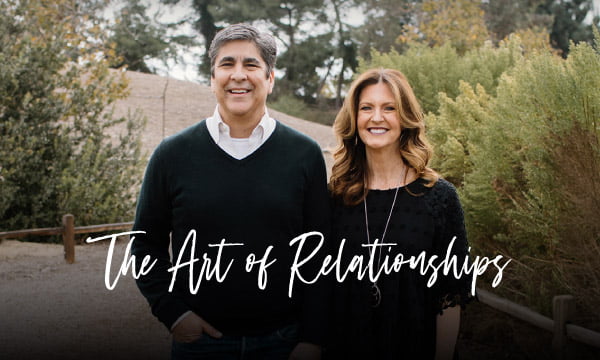
In this episode, Chris and Alisa Grace explore the psychology of situationships—relationships marked by emotional connection and romantic involvement but lacking clear commitment or definition. They discuss how situationships differ from casual hookups and traditional dating, using Robert Sternberg’s Triangular Theory of Love to explain how intimacy and passion without commitment can lead to confusion and instability. They also unpack common signs of situationships, why they’ve become more common in modern dating, and the emotional toll they can take.
Throughout the conversation, Chris and Alisa provide practical insights on how to recognize if you’re in a situationship, how to pursue clarity through healthy communication, and why intentionality and commitment are essential for Christ-centered relationships. Whether you're navigating dating, friendships, or trying to discern the direction of a relationship, this episode offers wisdom to help you move forward with confidence and clarity.
Resources Mentioned:
- Triangular Theory of Love (Robert Sternberg) – A psychological framework describing love through three components: intimacy, passion, and commitment.
Connect with Us:
- Website: cmr.biola.edu
- Facebook: facebook.com/biolacmr
- Instagram: instagram.com/biolacmr
Join the Conversation:
- Subscribe to The Art of Relationships Podcast to never miss an episode.
- Leave a review on your platform to help others discover the show.
- Share this episode with someone who could benefit from these relationship insights.
- Sign up for weekly updates and resources from the Center for Marriage and Relationships! http://eepurl.com/bgsuQv
About the Hosts:
Chris Grace, Ph.D., and Alisa Grace are passionate about helping people build and sustain healthy relationships. As leaders of the Biola University Center for Marriage and Relationships, they combine the wisdom of Scripture with scholarly research to offer practical advice and insights. Learn more about their work at cmr.biola.edu.
——————
Chris: 00:00
Hey, so modern dating is something that is very new, very different in this day and age, right? Um, we're going to talk in this series about what love is. It's going to be informed by a psychological view of love, but it's also then going to dive into some certain specifics. Like, for example, Lisa, we're going to talk about something called situationship.
Alisa: 00:25
Yeah, situationships are they're more casual uh than a committed dating relationship. And it's more than just a casual hookup, too. Right? So often filled with emotional connection and physical intimacy, but it lacks some clear definitions or labels. So for many people, situationships create confusion and a lot of uncertainty. And so, like you said, we're we're just going to explore this today. We're going to talk about why clarity and intentionality really matter for healthy Christ centered relationships.
Mandy: 01:01
Welcome to the Art of Relationships. This podcast is produced by the Biola University Center for Marriage and Relationships. Let's get right into it.
Chris: 01:11
Hey, welcome to another Art of Relationships podcast. And Lisa, it's fun to be here with you because we are going to take a series and look at all the different dimensions of love. We're going to look at it from a psychological, uh even a spiritual idea of love, right? But we're going to take some special cases. Like, for example, today we'll talk about situationships. And we'll talk next time about things like what is it like to be in a marriage when the love has left? There's no more passion. Like roommates. Yeah, like roommates. And then we'll also talk about a kind of love in which there really is no commitment. There's a lot of passion, maybe a lot of, you know, intimacy, but there just simply lacks that. And we'll we'll talk about what is that kind of whirlwind romance, right? Things like that. So let's dive in. Um, what do you think?
Alisa: 02:09
I think that's a great idea. This comes this particular topic that we're gonna look at today comes up a lot as we talk with our students at Biola University, as we talk to uh young adults throughout the time. Yeah, wherever we're speaking. So I'm anxious to talk, uh tackle this topic.
Chris: 02:28
Yeah, good. Let's tackle it, talk and all those other things. I don't know what to do. Say that three times real fast. Let's tackle the topic. Tackle the topic. Okay, um, let me start by uh painting a picture about love that I think is awesome. There's a guy named Robert Sternberg, social psychologist, and he has what's called the triangular theory. So, in your mind, Lise and listeners, do this. Just think of a triangle. At the very top of this triangle that we're gonna be talking about is what we call intimacy. Okay, that's the very top of the triangle. The left hand side, that corner will be called something we'll call that passion. And then the right hand side we'll call commitment. All right, so intimacy, passion, commitment. Um, in those, when you have two of those together, right, and then all three, if you can able to find this perfect what they call consummate love, is when you take you have intimacy, you have passion, and you have commitment. We call that, let's say, the ultimate, right? A good word for that. Think about right in the middle of the triangle would be the word consummate, the ultimate love. Okay, so we can have you can vary on the strength of each of these different areas, right? So let's do if you had all three, you have consummate, but if you only have one, let's say there's an intimacy, right? There's no passion, no commitment, it'd be like friends. Like you have a friendship that you had uh in college, you loved, let's say I I I remember some Gina or Christy, you know, you had a a friendship with them, but it wasn't a committed friendship, and so it could come and go.
Alisa: 04:18
Okay, yeah. So it wasn't romantic, right? Right? Right. So friendship.
Chris: 04:24
Yeah, and so that would just be simply somebody who had one point of that, and those are important, right? I uh but it doesn't mean that that's going to be forever. It's just what happens in those relationships is you enjoyed your time with them, right?
Alisa: 04:38
There's a season they come and go.
Chris: 04:40
Yeah, and okay, that would be a single point, the very top, what we would call intimacy, friendship you like. Now, you could also have uh a kind in which there's just passion, you know, the bottom left, right? And that's this idea of I I I'm there's really not a friendship with this person, and there's really not a commitment. In fact, it might be an obsession or infatuation, high passion, right? I don't know if you ever had one of those in school or growing up, you're like, I love this singer, or I you're right, or I love this person that I see in class all the time, uh, but it's I I'm not friends with them necessarily, and we don't really have any kind of commitment, but there's a lot of feeling toward them.
Alisa: 05:28
A lot of emotional, romantic emotion, yeah.
Chris: 05:31
And so that's the bottom left. Now, if you have the bottom right only commitment, it'd be kind of weird, but it it's almost like there's not necessarily any intimacy or there's not necessarily any passion. Commitment might be like that you might feel as a parent towards a child or a duty, yeah.
Alisa: 05:48
Duty, yeah, yeah, that's right.
Chris: 05:50
And you might even on the negative, you might even just call that empty love, right? I I I just happened to love somebody, make I made a commitment to them. It's a duty, right?
Alisa: 05:59
Right, definitely some marriages like that, yeah, and and dating relationships that yeah, that probably should you know pull the plug and get out.
Chris: 06:10
So, so hope get the picture again. Intimacy on the top, right? You have passion on the left and then commitment on the right. Now, Lisa, what happens if you take uh intimacy and commitment to that kind of love? What what what what do we call that?
Alisa: 06:27
Well, we hate companionate love.
Chris: 06:30
Yeah, good. I mean, yeah, companionship. It's not a bad kind of love, right? There's a lot of intimacy, I like them, uh, and there's a lot of what we would call commitment there. Um, but if they lack passion in a marriage, what's that called? Yeah, it's just this called, yeah, uh a passion-free marriage, right? Um a marriage that has nothing in it. It's kind of empty. Yeah, it's almost empty.
Alisa: 06:59
It's and it takes that um a little bit of if you have the friendship and you have the commitment, but maybe the sexless marriage is what we would call that.
Chris: 07:09
Yeah, sexless and also the romance is gone. Yeah. Passion and romance. And that could be really hard. I mean, it's a marriage that maybe let's say over the years you just almost become roommates. You like each other, you hang out with each other, but it lacks something.
Mandy: 07:25
Yeah.
Chris: 07:26
Right? Okay, so that's on the right hand side of that triangle. Intimacy, right, plus commitment could lead to an empty marriage. Now let's take intimacy and the bottom left, right? If you have intimacy and if you have this passion, right, you kind of have a different kind of love.
Alisa: 07:47
Right. And that's what we would call a situation ship.
Chris: 07:51
That's it. That's right. A situationship that we're gonna talk about today.
Alisa: 07:57
Right.
Chris: 07:57
So, what do you have? Intimacy with passion, but a lack of commitment. Let's talk about what that word situationship means today. Lisa, uh, what is a situationship?
Alisa: 08:13
Well, the I think you could define it as it's a relationship where two people are spending time together in a dating kind of relationship, a romantic relationship. But the key for a situationship is that it's the the relationship doesn't have a label in it or or else it's undefined. Like there has been no DTR, we don't call each other boyfriend or girlfriend. There's no, there's never been a conversation about where is this relationship going? Hey, what do where are we? What page are we on? Are we both going in the same direction? It's just never talked about. And in fact, uh it could be preferred that you avoid talking about it by one or both of the people involved.
Chris: 09:03
Is this similar to like let's say the casual hookup, I guess?
Alisa: 09:07
Yeah, well, the casual I think it's a little different in that a situation ship does involve emotional connection, a deeper emotional connection where it's more than just sex. Where casual hookup is there's I mean, it's kind of like friends with benefits, right? Um casual hookup has no implied uh commitment, no implied, hey, I'm gonna call you tomorrow. Um or even the friendship that a that a friends with benefits has. I mean, friends with benefit, uh you at least start from the status of friendship that becomes sexual, but even friends with benefits is different because it's defined. We're both agreeing, hey, we're just friends. There's a low amount of emotional uh connection, there's no assumption of any commitment, yeah, but a situationship, they actually never have that conversation.
Chris: 10:06
Yeah, that's interesting. And and for a variety of reasons, people might find themselves there, right, in that type of relationship, but that we're gonna call a situationship. Um tell me about when when some people say we're just talking. If if if somebody were to come up to somebody in a situationship, would they use that kind of language and say, oh, we're in we're just talking. Is is that all kind of would you agree?
Alisa: 10:33
Yeah, I think that's a that's a real on-trend uh phrase, way to say it now. Um it would involve that, hey, we're talking, we're texting back and forth, we're you know, maybe direct messaging, we're commenting on each other's social media. Maybe we're going out with you know, with groups of people, we're in the same friend group, but we tend to sit a little bit more together. We we might get together even maybe one-on-one outside of the group. Yeah, but but it's not a defined dating relationship yet. We're just talking.
Chris: 11:08
So so that whole label thing, that that idea of uh I I don't know, maybe they used to call it a DTR, right? Define the relationship. That's they've never had the DTR talk, I guess. No, and that's the idea of a situationship. You're we're just talking, but yeah, they're there can't so they must like each other, right? There's the top of that triangle, there's the light, the intimacy, there's the left, maybe even the passion there, the romance, but they are never spending time uh uh uh talking about who they are, what they are, and defining it.
Alisa: 11:42
Exactly. So that so it really lends itself to a relationship that has a lot of uh uncertainty. Uh there's a real lack of security because there's not been a defined commitment. Whereas when you're dating, you at least you at least have the that clearer understanding that, hey, we like each other and we are dating and maybe going to see where this might lead in the future, that there's uh an implied possible future together. Whereas the situationship, that's not implied, and we've never talked about that. There's not that understanding.
Chris: 12:21
And and I you could see how this could develop, right? If I if if all of a sudden we're just talking, well, it lets me not if if things go bad and we it ends, uh that would feel like rejection if we had that little, but instead we just talking, and so there might not be any rejection. But there's some problems and some signs that are clear if you're in a situation ship. Well, at least what are some of the signs? I'll give you one that I think you you've already mentioned, right? It's it's that no labels, right? The definitional confusion. There's we haven't defined it, no DTR talk. And I think if you're kind of like wondering, they would say, Yeah, our relationship is in this gray area, right? It was right. What who are we? What are we doing? Is never really but you asked that self that question, like, are we dating? Are we together? Are we is this exclusive? And those conversations are pretty gray for them.
Alisa: 13:19
That's really great because they haven't talked about them. And even hey, hey, are we dating? Are we allowed to date other people? Or is it just you and me?
Chris: 13:29
Well, it seems like that could be cause some hurt feelings. It really can't be one person is really wanting a little bit more, and the other one, and then they just like I wish we could talk about this more because I really am developing some feelings and I want to maybe make a commitment towards you, and the other one doesn't. Yeah, that's that the fear of not being rejected.
Alisa: 13:48
Yeah, and then so it really lacks that that understanding of exclusivity. Oh, yeah. So I think another sign that you're in a situationship is that your lives don't begin to merge together. Like you're not meeting their family after, you know, a couple of months of this going on, you're not meeting their friends, you're not introducing them to the people that you do life with. It's like you're you're not putting it on social media, you know. Uh maybe your status is still listed as single, even though you've been going out for a period of time.
Chris: 14:28
And and I guess maybe uh that particular sign, Lisa, allows you to uh it's if it's almost like keep your options open, right? It's like, oh, there's I'm in a situation ship and it allows me this kind of flexibility of going back and forth, or maybe you know, not dipping my toe in completely, which is what a commitment does. Yeah. And it's kind of, I guess, a fear of commitment, fear of rejection that might be part of this.
Alisa: 14:54
Yeah, I think it yeah, it could be a fear of loss of your personal freedom and independence. That could I I think that's a big one.
Chris: 15:03
Yeah, I like what you said too. It's you you fear that. So parents, family, friends are never really told about any of this.
Alisa: 15:11
Yeah, yeah, you're not really making it a public announcement that, hey, this is who we are and this is the label that we're putting on our friendship. There is no label.
Chris: 15:21
That's um okay, situationships must be exhausting. Uh for you and I, we were okay, we would have said uh situationship, you know, after a couple of months of knowing you. Um, but for the fact that we said we need to define this because you live a thousand miles away. What do we do? I guess we're talking all the time on the phone, we want to see each other, but we would say at the beginning, we're not really dating. Do you remember that?
Alisa: 15:57
Oh, yeah. Well, yeah, we weren't holding hands, we weren't kissing, so there wasn't that um, there wasn't that physical involvement or or physical connection in that way, but there was a growing sense of a deepening emotional connection and spiritual connection for sure.
Chris: 16:18
And and that needed to be expressed. I I just remember, hey, let's talk about this. I I think we really are dating.
Alisa: 16:27
Yeah, and well, and that was gosh, I think that was a good six months into our relationship. But before that, we used the label of friends. Like when I would introduce you, it was, oh, this is my friend Chris. He's here visiting from Colorado, or that's how you would introduce me. So at least we had that label on it. In a situation ship, there's not even that label because the uncertainty is are we friends? Are we girlfriend and boyfriend? Are we dating? We just talk, what are we? I don't know.
Chris: 17:02
That's good. Well, it sounds exhausting. I I think we avoided that because we pretty much tried to label it pretty quickly. If you're in a situation ship, it's got to be a little bit frustrating, emotionally imbalanced, like almost like this exhaustion.
Alisa: 17:17
Yeah, I think I think you're right, Chris. I think part of what makes that so hard is that in a committed relationship where where you you really care for each other, you're dating, you've said after a few months, I really like you. I would love for us to, you know, co make this exclusive, and let's just date each other and let's see where the Lord would lead this. Well, there and there's an implied that you're there's at least potential for future. We put a label on it. And so that kind of open communication, healthy communication, creates um, and being specific and clear creates security in the relationship. Like I knew why you were coming to visit me that you cared about me, that you liked me, and even though we did put really strong boundaries physically in place, you were still becoming emotionally connected to me. And that part of our relationship was growing. And so that gave me a lot of security, it gave me a lot of um, I think it it let me relax and feel like I was known, I was cared for, and I was accepted without judgment. And so without that, and without that growing commitment and the articulation of it, yeah, it leaves you uncertain, it leaves you on like a hypervigilance, like, oh, if I do this, he's not gonna like me, he will like me, he won't want to make a commitment, he will make a commitment. Maybe this will lead to something, or I don't know what. Yeah, and that's it, that's the exhausting.
Chris: 19:03
Yeah, I think that is exhausting. And and I think today one of the things that exacerbates this whole thing, yeah, dating apps are great for a lot of people, and and this isn't a knock on dating apps, but my guess is it could give you a false sense that there's a lot of people out there. I can swipe right a bunch of times, and and so maybe that whole idea um also creates a little bit of the the likelihood of hap situations being more common. It's like I'm gonna keep all my options open. There's a whole lot to choose from out there. Why and and without that bottom right part of the triangle, without commitment now, the opposite is a situation ship. It is I can go through and I've not made a commitment to anybody. In fact, I'm just gonna kind of play, you know, keep my options, keep the options open. And I I I really think that this is now the positive is maybe if you start this, you know, this kind of I don't know, situationship with different people, I guess you can learn a little bit more about yourself, right? I mean, young people are trying to figure out identity and who they are and what they're doing. I I guess that allows that growth to take place. That's a positive way of looking at it.
Alisa: 20:25
Yeah. Although I don't know if you'd be able to really have that kind of deeper emotional connection with multiple people.
unknown: 20:34
Yeah.
Alisa: 20:34
That it that maybe a situationship would be.
Chris: 20:38
What do you think about it? Well, I think you know, it it it leads to or can lead to a serial dater, right? Somebody who, if if I'm dating a person and and we're in a situation ship, I well, I wouldn't necessarily say dating because we've never really defined it, but then I but that person probably doesn't know or care what I do on Friday night because I'm gonna see them Saturday or what I did on Thursday night, right? And it's like keeping those op those options open. And I think that might be why this kind of thing is a little bit more prevalent than it used to be. Um, and there's some other reasons why, Lisa, the that situationships are coming to the surface more in our culture.
Alisa: 21:16
Yeah. And well, you think about the stage of life that this occurs tends to be probably more of the 20s, uh, maybe some in the 30s. But really early on, you have that emerging adulthood that you talked about where you're really trying to figure out who am I? What am I gonna be about? What are my values? What's my worldview? And and then you also add in there maybe some you want to build some financial stability uh in it before you really get into a serious relationship. A lot of people are coming out of college with mountains of student debt, a lot of credit card debt, and so there's not a lot of financial stability. So they want to get that under control before they get in there. And then there's just competing priorities of, you know, I uh I'm really focusing on my career. I'm really investing in my career. I've still got some schooling to do, or my career involves like working 60 or 80 hours a week. And I really just need to focus on that while I'm getting my foot in the door and beginning to build my own career and professional standing. So that can that can make a situationship a little bit more attractive.
Chris: 22:35
Yeah, it can. I uh just the number of couples that you and I talk to that express being in a situationship is so hard because there's no, I don't, I don't know where their heart is. That there's uh that this whole we're going always back to the one thing situationships lack, and that's commitment.
Alisa: 23:03
Hey, let's be real, Chris, right? We've all had moments where we thought, I wish somebody would just help me figure out this whole relationship thing.
Chris: 23:11
Yeah, and sometimes it's not even marriage, right? It just might be a roommate or a dating relationship, family, or even friendships.
Alisa: 23:18
Yeah, and that's exactly why we offer free relationship advice through the Center for Marriage and Relationships.
Chris: 23:24
Yeah, it's not only free, but it's confidential, it's biblical, it's practical, and those who seek guidance early enough can often avoid huge problems later.
Alisa: 23:34
Yeah, so if you're wrestling with something big or maybe that's just something small and and you don't have to do it alone.
Chris: 23:41
Yeah, I just know that you can connect with our team today, so just check the show notes for all the details. But it's motivated, like you said, by where they're at, this emerging adultery, but it's also motivated by like, I also am not ready. I if I make a commitment, this is 70 years that I'm trying to make a decision on today, and I'm no longer me as far as I'm me, but uh there's always somebody else to think about.
Alisa: 24:11
Or I I've got some oats I want to sow. I'm not ready to settle. There's some life I want to leave. I want to travel, I want to, you know, do what I want to do the way I want to do it when I want to do it. And not saying that that's necessarily, I mean, in and of itself a bad thing. You will a healthy sense of independence is good, yeah, but it's when it comes at the cost of the good for the other person.
Chris: 24:39
Yeah, then you got then you have issues. So, so that's that's really helpful. I think what may be one more why it's also so common is that people maybe have gone through the whole dating and defining, and they you know, and then they they don't find somebody that they're quote their soulmate, and then they do it again, and then and then they try another one, and pretty soon it can lead to some burnout.
Alisa: 25:04
Oh, and they get tired, they're just tired of the dating scene. You know, you're you get tired of the repetitive conversations. I keep having the same shallow conversations over and over and over again. It never leads to anything else, and so I'm just I'm gonna put it on pause a while.
Chris: 25:22
Yeah, so you could see a many of these as a cause or a reason why situationships are uh both kind of common and also kind of painful at times, and I guess this pain really does come down a lot to this emotional pain. Yeah, and and I and a situationship must make you feel again, I you know, I don't have personal experience because I think we try to make commitment a key part of continuing the dating. But that that idea of not knowing, not not understanding uh the other person's full intent and their hearts.
Alisa: 26:06
Yeah, uh that would be hard, that kind of uncertainty. And I think one of the dangers is that it can lead to an imbalance of commitment or an imbalance of attachment. And uh the danger is that one uh almost always becomes more attached and desires more of a commitment while the other one doesn't for whatever reason they don't want to, but there so there's that imbalance. In fact, we were just at a marriage conference, just at a marriage conference back in Minneapolis, and if you remember, there was a couple that came up, and um, as we talked, they were they were living together, so there was that high emotional involvement, there was that passion, but it lacked the commitment. And but the difference, I guess, here instead of a situationship is that they had talked about it and she wanted more of a commitment, but he didn't. And so there was that imbalance of attachment. She was like, I want to make this a formal commitment. And he was like, Hey, we've already got a good thing, why run it? And so uh happily though, I can say by by Sunday morning at the end of that conference, after having a whole weekend of hearing God's design for relationships and marriage, they announced to the whole crowd of a thousand people that they were coming back next year and they would be married.
Chris: 27:36
Yeah, and that was cool. It was so cool, is because one of the things that gave them that hope was remember this guy named James Cohen, he's a professor at Virginia. Uh, and what he did was he studied hand holding and he found out in these, you can look him up, James Cohen, C-O-A-N. Um, but but simply there was a difference between the way people um treated or responded to married partners, that is, the person they made a commitment with, in comparison to those that were only, quote, living together, uh almost uh felt as if if something goes bad, there's no commitment, no vow, no nothing that's been said. We're just living together. And when bad times come, I can leave, or she can leave, or he can leave. There's there's that back door, yeah, and that made an imbalance almost as if I'm living with somebody that I'm not sure. I can't trust. I can't trust. Yeah. And I think as we talk about that at conferences, like you said, this couple responded, it was just so powerful. What a cool thing. And so at least I think there's you know, a lot of other things in psychology we would say, well, if there's a lot of passion and there's a a lot of this intimacy, then what's gonna happen is you you almost like get this strong reinforcement, and you're like, Oh, good, I need connection. It's like you get your connection and then you back away for a few days, right? And then you get it again and you might back away. And then pretty soon it's just this reinforcing cycle.
Alisa: 29:17
And um but you know, talk about that from a psychological perspective in terms of addictions. Um just that reinforcement and it doesn't always pay off like gambling, right? Right? You go, you're in the slot machines and you put your money in and and you get you get like 20 bucks paid out, right? And then but then you keep putting money in and you don't get a bat. Put it in, you don't get it back too because the you but you keep putting it in psychologically with the thought of maybe this next time it's gonna pay off.
Chris: 29:53
Yeah, and it's just an intermittent reinforcement schedule that we know of working, you know. I ran a rat lab at Colorado State where we Colorado State where we gave rats intermittent reinforcement. Every time they pressed did a task or pressed a bar, they would get food. But not every single bar press would result in food. And and it's similar to situationships where uh it's almost as if, you know, every couple of days or five days, then you're with this person in your situationship, and you get that strong rush of feeling of you know, of passion and you know, liking. And then you don't get it. And it's that kind of intermediate distance and that could lead to people living together, you know, for 20 years, you know, putting this off, you know, cohabitating would be a great example.
Alisa: 30:45
Right. And and it's what would make that a situation is they just never talk about are we getting married? Are we not getting married? Are we staying living together? Are we in other words, they never have the conversation and get on the same page of what are we doing, where are we going, and are we okay with that?
Chris: 31:06
Yeah, and I think with the couple that you're mentioning, one of the things is they really did enjoy each other's they they stay in a situationship because they enjoyed each other's, you know, company, right? Right? They enjoyed their affection, they loved each other, yeah, and then investment, and they are just lacking a couple of C words, right? Commitment, communication, right? That idea of a connection that is solid, right?
Alisa: 31:36
Trustworthy, yeah.
Chris: 31:38
So there is clearly a problem when a situationship uh involves a passion that involves, let's say, two people not married cohabitating together, or there's you know, a deep investment of both, you know, a physical intimacy and an emotional intimacy. And scripture really does um uh talk about this. Uh what are some thoughts uh of that from a scriptural standpoint?
Alisa: 32:09
Well, I think it's really interesting because when we're looking at um at God's word, that there's not anything in there about dating. Dating was not part of the cultural landscape back then, and so it doesn't really talk about godly, Christ-centered principles of dating, but the Bible is full of one another statements and principles, concepts of how we are to treat each other. And so, you know, you think of Ephesians 4 25, where we're called to speak the truth with love, and so that involves a healthy relationship, involves healthy communication where there's clarity and there's honesty and there's truth. Yeah, and we don't avoid that, but we confidently can speak truth and wrapped in love and kindness.
Chris: 32:59
I love that there's so many one-anothers, right? How to love, how to serve, how to be present, right? You know, another one that reminds me of this is is is the you know proverb that talks about guard your heart for from it flow the springs of life, right? And this is really what we're saying, a commitment, uh, which situationship lacks is almost like the guardrails or or the protection. You know, we talked about this that you you you protect this, your heart, which somebody in a situation ship is giving to somebody, right? But it's the springs of life. That is, it it's you uh and it is needs to be carefully watched over.
Alisa: 33:53
Yeah, spring of life, your heart is at it's a great risk, and you're very vulnerable to be willing to be deeply emotionally connected to someone who's not willing to even have a conversation about potential commitment. Yeah, that's interesting.
Chris: 34:13
That is, and and that leads to the lack of trust because of the ambiguity that's all in there. So, Lisa, um let's let's a couple of listeners um uh let's pretend they're listening, and here's what they might ask. They might say, Hey, how is this just early dating or is this a situation ship? What would you say, real quickly, if someone asked, how do I know the difference between I'm in a dating relationship or a situation ship?
Alisa: 34:39
That is such a great question. I think um a situation ship uh will be defined or characterized by being more stagnant, like in uh a lack of clarity about where this relationship is going versus early dating, you're getting to know each other, but after a certain amount of time, maybe a couple of months, you start having those conversations uh, you know, that sound something like, hey, you know, I really like you. I enjoy spending time with you. I just really be interested to hear what you're thinking about, you know, what page we're on. It just makes sure that that we're on the same page. Yeah, that's good. Can we have a conversation about that?
Chris: 35:26
It's so ironic that you mentioned this because watch. So uh a listener might ask, well, how long should we be in the just talking phase? You're right? Yeah. I mean, that's how some people define situations. We're just talking. But the most ironic thing about that is they may be talking, but they're not talking about the one central most important thing about this. So the just talking phase is actually missing the key talking point, which is a definition and this recognition of wait, who are we? What are we doing? What's our intention? And what's our intention here?
Alisa: 36:02
Which is very valid to have and ask for that information. So, Chris, what would you say to somebody uh if they want to have that conversation, but they're worried about pushing the other person away? How do they bring it up?
Chris: 36:17
Well, I think yeah, good. That's great. Let's say someone says, I want to have this conversation with my, but I'm not sure what's going to happen. I don't want to push them away. Well, I I I think this is really good practice to go, well, if your relationship is strong enough and healthy enough, having a deep conversation like this uh should be re not only respected but accepted, right? And and the other person, if they do if they're like, wait, I don't want to talk about this, you're getting too serious, I just want to keep going, that should tell you a little bit about your standing. That's a little bit of a red flag. There's a little bit of a red flag, and we're really not talking here at all about the most important thing. So I I I I do think what I would say is um approach it as in the just talking phase, as hey, I'd like to hear your heart. What's going on here with you, and where are you at? It'll help me. And I have some things that I've there on my heart um about our relationship. And you know, uh, especially the their reaction will be very telling, right? Um, and then you could begin, I think, that process so the other person, you know, if they hear you, accept you, have that conversation, then I think Lisa, you would you would have some pretty firm boundaries at that point, right?
Alisa: 37:40
Is there is there ever a point where it's too early to ask for that clarification?
Chris: 37:45
Well, yeah, let's let's we always we know the answer, right? You're on that first day, say, hey, can I clarify? You know, are we getting married or not? Right? You you know, you're like, I don't think that's a little bit, or or you start the date by saying, you know, I've been praying, and I believe you're going to be my spouse and I'm gonna marry you. And like, ah, I think I'm gonna go ahead and take a cap, you know, Uber home.
Alisa: 38:07
You might think that, but maybe it's too early to start talking about it.
Chris: 38:11
It's clearly too early. Um, so what's too a year into a situation ship? That's too long. I would say, Lisa, by the time you are beginning to feel some sort of exclusivity would be nice, or you find yourself getting upset if they said they're going out with somebody else, you know, after the first or second date, you're like, wait a minute. That probably, you know, within a uh, you know, maybe a handful of dates, you might start sharing things like, I'm really enjoying our time together. I'd like to get us considering maybe, you know, this could be uh I'd like to see you again soon. And then I think you can begin to define it that way after maybe a couple of good dates, and right.
Alisa: 38:56
Okay. So let me ask you another question. Okay. What if you want to have the conversation? You want to define, you know, have the DTR, but the other person doesn't want to. Yeah. How do you handle that conversation? What do what do you do?
Chris: 39:14
Well, for me, it it's it's almost like a let's say they just simply uh how it goes, I would want to know why. I I would just simply say, Oh, I I get it, you you you really don't want to go there. Can you just tell me why? What what what's the what's your struggle with having this conversation? And if they say, I just don't want to put any labels on it right now, I just like it the way it is. Like, all right, well, I'll tell you what, at some point, because I want to guard my heart, I would love to have this conversation, and I'm not sure I should we should keep seeing each other. I'm feeling this strongly because my heart's starting to get involved and I want to get hurt. So I'd like to hear a little bit more about your intentions and where we're going with this, and you go from there and just say, look, I realize it may not be comfortable for you, and I enjoy going out with you, but it's getting to a point where my heart is starting to get involved. I really need to talk about this. And if you're not willing to, well, maybe take a break until you are willing to.
Alisa: 40:17
That's good because you deserve to have a loving, secure relationship, and and one that honors God, that honors the other person, and honors you too. That's great. That uh that's a that's valid. And here's the thing there's a saying, a little saying that I've really come to love, and it's this behavior is a language. When someone tells you or won't that they don't want to have the conversation, that they're not ready to commit, that they're not willing to put that uh a firmer label on this, you need to believe them. Yeah. And then you have some, like you said, you have some decisions to make. Am I okay with be maybe I'm okay for a little while longer. It's still relatively early. Maybe I'm okay with, you know, being in limbo a little bit, but maybe you want to decide in your own mind, hey, you know, if in the next two or three months we're not able to have this conversation, then I I think I need to draw the line in the sound and and go elsewhere because maybe that's a real yellow, if not red flag, that they are not able to commit, or they're not able, they don't have healthy communication skills and they're not willing to to work on that.
Chris: 41:39
Yeah, and and really what you're looking for, at least is a, I think in that situation, you want to protect yourself and you can say I need to protect my heart in here. Yeah, and and it doesn't mean the other person has to give you a dissertation on their feelings. I don't need, you know, if if a person isn't comfortable sharing in general, like I don't like talking about these kinds of things, like I'm not asking you to talk a whole lot. I mean, your behavior tells me you like me, but it also tells me you're afraid of commitment. So I'm just gonna ask maybe this simple question, maybe make it a yes or no. Do you want to continue to spend time together? Yes or no? Yeah, do you feel like this has potential for a for in the long term? Yes or no? And are you Do you want to be exclusive? And do you want to be exclusive? Yes or no? Yes or no? So it doesn't have to be this, you know, like I said, uh an emotional dissertation select that country song, check yes or no. Yeah, that's a good one, Lise. There's a good one. Well, let's do some practical takeaways. Uh uh, obviously praying and looking over, you know, uh always about your love life, especially if you find yourself in in something like this, a situation ship. Just praying, what else?
Alisa: 42:48
Yeah, definitely.
Chris: 42:49
Well, that's absolutely foundational.
Alisa: 42:52
And I I think uh it's good to you need to be able to ask for clarity. Yeah, where are we going? What is this relationship? What what are your intentions?
Chris: 43:02
Yeah, set boundaries. What are your intentions, right? Have a conversation, yeah.
Alisa: 43:06
Uh listen, and then remember that you're dating for patterns, that's great, not potential. And so you want to look at their patterns of behavior. Are they able to have deeper conversations? Are they able to have conversations that are difficult, um, like when it comes to conflict or maybe if you've hurt their feelings or something? Are they able to have those kind of conversations? Are they um are they willing to to put a to be committed and take that risk and be vulnerable? Because if they if they have a pattern of not being able to do that, then that to then that's what you want to pay attention to because you have no guarantee that they're ever going to live up to the potential.
Chris: 43:55
And the number one sign of that pattern, or if you want to look back, is have they been in relation? Relationships like this in the past, where they've just kind of been with somebody back and forth, back and forth, you know, without doing this, is this a history for them? Do they have a history about serial monogamy? Yeah, of not being able to talk about uh, you know, not even the opposite of serial, right? Well, I I guess it is serial monogamy, right? But it's that they just have a pattern in other areas. They don't want to talk about this and commit to a job or commit to a family or commit to you know schooling or commit to anything, and and that's a general issue. So I think we do that, at least we when we do this intentional. The opposite of a situation would be an intentional relationship, right?
Alisa: 44:40
Yeah. And wait, and when you're considering who you want to date, I think you want to seek out people that are actually intentional with their relationships. Yeah. Like I really want to get to know you. I want to get to know your heart, what you know, your likes, your dislikes. Where are you going in life? What are you about? And and I want to guard and honor honor your heart in the process because you want to f be with somebody that respects you, that you can share your needs, your wants, your desires with, that'll be treated with care and respected, and that you're also respectable. That I'm able and willing to do that in turn for the other person.
Chris: 45:30
Oh, that's love. I I love that. I think that's a perfect way to end this lease. Um, we want to pursue others and be in that relationship with those that you know put in mutual effort, right? That care, that are honest about it, able to at least, you know, answer yes-no questions.
Alisa: 45:49
And mutual commit a mutual commitment.
Chris: 45:51
Yeah, and mutual commitment. And that's Christ-centeredness. I mean, right, you you can go back and look at someone in a situation ship with you. It a bad pattern might be the same with God. Like, I might go to church. If you like to go to church, I'll go to church. But if you don't, or if you don't read the Bible, I won't. Well, hold on here. Well, what what's your commitment in your level to this uh understanding that uh my relationship being with Jesus is important enough to make a commitment and I'm not giving that up, right? That's another pattern. So you summarize it for us.
Alisa: 46:25
Well, if you have any questions, I think about am I in a situation ship, I think you really have to come back to square one, which is what do I know to be true about God and how he designed us for relationships? And because God designs us for relationships that where your heart is valued and you value someone else's heart, where your intentions, like I said, are respected and yours are also uh willing to respect the other person. And then finally, where love and relationship, uh, that deep knowing are growing uh at a at a regular pace through clarity and honesty rather than uncertainty.
Chris: 47:13
Wow, that's a great summary. Love it. Um well hey, check out our other podcasts on love and on relationships, on dating. Uh go to the cmr.biola.edu. Uh check out uh blogs as well. Besides podcasts, blogs, we got all kinds of free relationship advice things going on out there.
Alisa: 47:37
We sure do. So we're really glad you joined us today. We know that you could be any place else doing anything.
Chris: 47:43
You probably are. You're probably listening to this driving and putting on uh makeup and I don't know what else you might.
Alisa: 47:50
Working in the yard.
Chris: 47:51
Working in the yard. So thanks for joining us.
Alisa: 47:53
Yeah, we'll see you next time on the Art of Relationships. Yep.
Mandy: 47:58
We're very glad you joined us for today's podcast. For more resources on marriage and healthy relationships, please visit our website at cmr.viola.edu. We'll see you next time on the art of relationships.
Authors

Chris Grace
Chris Grace, Ph.D., is a professor of psychology at Rosemead School of Psychology and Director of the Biola University Center for Marriage and Relationships. With degrees in psychology from the University of Northern Colorado (B.A.) and Colorado State University (M.S. and Ph.D. in Experimental Social Psychology), he has taught and written extensively on relationships, marriage, and the integration of faith and psychology. Honored with awards for both teaching and scholarship, Chris is passionate about making research and biblical wisdom practical and accessible. Together with his wife, Alisa, he speaks nationally to couples, singles, and churches, and co-hosts The Art of Relationships podcast, equipping thousands with tools to build stronger, Christ-centered relationships.

Alisa Grace
Alisa Grace ('92) serves as the co-director of the Biola University Center for Marriage and Relationships where she also co-teaches a class called "Christian Perspectives on Marriage and Relationships." While she speaks and blogs regularly on topics such as dating relationships, marriage, and love, she also loves mentoring younger women and newly married couples, speaking at retreats and providing premarital counseling. Alisa and her husband, Chris, have been married over 30 years and have three wonderful children: Drew and his wife Julia, Natalie and her husband Neil, and their youngest blessing, Caroline.