How To Find Your People
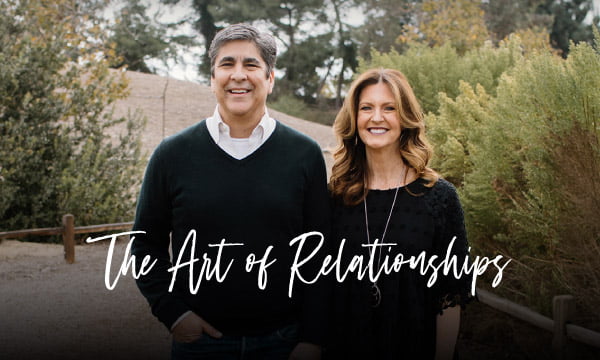
In this episode, Chris and Alisa Grace explore why we were created for community and why finding meaningful, Christ-centered friendships in adulthood can feel so challenging. They discuss the biblical foundation for friendship, common barriers like unrealistic expectations, fear of vulnerability, life transitions, and past hurts, and what healthy, God-honoring friendships actually look like. Throughout the conversation, they offer practical wisdom on taking initiative, building trust over time, being mutual and intentional, and becoming the kind of friend you’re hoping to find. This episode will help you move beyond surface-level connections and begin cultivating life-giving community rooted in faith, character, and shared values.
Whether you’re navigating friendships with coworkers, church community members, fellow parents, classmates, or long-time friends, this episode offers thoughtful guidance to help you build deeper, more sustaining relationships.
Watch on YouTube:
https://youtu.be/L1E--5VSQJs
Connect with Us:
- Website: cmr.biola.edu
- Facebook: facebook.com/biolacmr
- Instagram: instagram.com/biolacmr
- YouTube: www.youtube.com/@biola-cmr
Join the Conversation:
- Subscribe to The Art of Relationships Podcast to never miss an episode.
- Leave a review on Apple Podcasts, Spotify, or your favorite platform to help others discover the show.
- Share this episode with someone who’s longing for deeper connection or community.
- Sign up for weekly updates and resources from the Center for Marriage and Relationships: http://eepurl.com/bgsuQv
About the Hosts:
Chris Grace, Ph.D., and Alisa Grace are passionate about helping people build and sustain healthy relationships. As leaders of the Biola University Center for Marriage and Relationships, they combine the wisdom of Scripture with scholarly research to offer practical, faith-based guidance for everyday relationships. Learn more about their work at cmr.biola.edu.
——————————
Chris [00:00:00] We were never meant to do life alone, yet for many of us, building meaningful Christ-centered friendships in adulthood feels confusing, slow, or even painful. In this episode, we're diving into the practical, emotional, and spiritual realities of finding your people, those friends who truly see you, walk with you, and help you become who God made you to be. So whether you've moved to a new city, experienced friendship, lost, or simply craved deeper connection. This episode will equip you to move beyond surface level relationships and start cultivating a life-giving community.
Mandy [00:00:34] Welcome to The Art of Relationships. This podcast is produced by the Biola University Center for Marriage and Relationships Let's get right into it.
Chris [00:00:44] Okay, well, welcome to another Artie Relationships podcast. I'm Chris. This is my beautiful wife, Lisa. We love being able to come to you guys, both on, whether you're watching us on YouTube or on Instagram or Spotify or wherever. Yeah, a number of platforms. A number of platform. Go check it out, cmr.biola.edu. Lisa, this is a really fun topic. It's about friendships. How do we find community? Why are they important? What happens in friendships and community. And for me, I'll just say this, I think one of the strengths of our relationship from the very beginning was a sense of camaraderie, a sense fun, a sense a friendship, and that doesn't happen often, right? You dated before we were married, I dated before were married. And I mean, I could tell the other person was a friend, you know, I had guy friends and girlfriend and you had the same, but there was something unique and special about a friendship that you and I started to develop.
Alisa [00:01:50] Yeah, there was gosh when I think back to those early days of having just met you getting to know you There one will two characteristics stick out in my mind First of all was like a no it would it would have been a non Starter if it wasn't there is that you loved the Lord So we just shared that commonality of a really deep robust faith in Jesus and then beyond that a characteristic that just really stands out to me is a sense of humor. Oh my gosh, your sense of human is, I think we share a similar sense of humer, and so we laugh all the time. We're always laughing, we find the same things funny, and I find that when I meet some of your students, whether they're current students or even former students, just out and about, well, you know, we're shopping or something like that. One of the questions they will ask me, because they're used to your humor in the classroom, that they'll ask me is he like that at home? Or when we're speaking at conferences and you're cracking everybody up, off stage when we are talking with people, they'll say what, is he liked that at at home too? And I just laugh and I say yes, he's a mess. He keeps us in stitches all the time, and we laugh.
Chris [00:03:08] And there's something about that when we first met that we're developing a friendship. Again, we didn't know it would turn into a marriage at the beginning. But, you know, something about friendships seem to click or don't click. Right. And that's interesting. And I think our topic today is interesting because it's about friendships in general. What do they mean? What do they like? What did they provide for us? Because we were designed this way, right? From very beginning what does It was not good for man to be alone. Well that tells you right there that there's going to be community in God's world
Speaker 4 [00:03:44] Check us out.
Chris [00:03:45] We're gonna be together for where two or three are gathered. He knows he's in their midst I think he's an armist when I'm alone and praying but Lisa that idea of community and and and you brought up a characteristic of Something that is the other person has to have certain characteristics They we want them to be believers. We share so another we want to have same values Right. We want them be like in this case for you I didn't know humor was important until I kind of started dating and found some people that were not that humorous and I'm like, this is okay, but it was more of a challenge I got you and I realized good night. Not only were you funny, but you're the one when we're now on stage, you're talking that's whispers the funny, funny thing to me. And then I just have the delivery. I just take what you say and deliver it to the people, to the students. And they find that extremely funny. We make a good team. We make good team, yeah. So what does make a team, Lise? What makes good friendships? So biblically we know there's the foundation of it is not good.
Alisa [00:04:55] Right and I think also a part of that foundation of why friendships are so important is we look at Jesus Right. He was fully God and fully human and while he embodied a hue as a human here on this earth He was constantly in Relationship and he was in deep relationship think about his disciples That was his inner circle of who he was doing day-to-day life with, right? Those 12 men that he shared his heart with. He told them things that he didn't tell other people. They were consistently together over that period of three years. And then even the trinity, that we're created in God's image, right, we're image bearers. And if God Himself, the Father, the Son, and the Spirit are all in, perfect harmony in unity and communion together, and we are made in that image, then it goes to show that we are created for relationship. We're created to be intimately known and to know others intimately and share that deep kind of intimate relationship in a friendship.
Chris [00:06:08] I love that, right? He, you said, is in relationship with himself. God the Father, God the Son, God, the Holy Spirit.
Alisa [00:06:15] And if Jesus needed friends, how much more do we need friends, right?
Chris [00:06:20] And it's so cool because you talked about the 12th, but even within the 12, you could see he was even closer to three or four, right? And it was like, they were all equal in his eyes. All of us are in some sense.
Alisa [00:06:36] And even the one John, his bestie, was the one Jesus loved. Like that. Yeah, there was just some special friendship and deep abiding connection there. And so it went from this, to this, and to this.
Chris [00:06:53] So then that's a great kind of setup for what comes next. Why then are there so many difficulties that some of us and some of our listeners are facing when it comes to building friendships, building community, building at 12? There's like something that gets in the way, it seems. What can get in the wave? What are some of the barriers that we see, right? I'll start with one I'm thinking about, right. It's this notion that... Maybe it's this expectation that's not really realistic that the person I'm gonna be friends with will be at my hip, side by side, and we will walk through life, all things up and down forever and ever, and I just have to wait for that friend, that bestie. It's kinda unrealistic to expect that to be quick microwaved, you know, with somebody just me. Don't kids do that?
Alisa [00:07:51] Like you're my best friend forever. Yeah, and then you ask oh you made it you made a new best friend on the playground today What was his name and they're like I? Don't know that we're best friends and and so there's a little bit of an immaturity to that aspect to expect that instantaneous deep relationship and affinity
Chris [00:08:12] Yeah, I teach a rather large class, you know, different semesters, but today I finished a class this morning and a student came up and said, okay, that's a weird question. I don't understand girls. And I said, well, get in line. Oh, who does? And he goes, I don't understand, girls. They're always talking. They make a friend, and they're like, this is my best friend. And he's talking about his sister, and she's awesome. And then, all of a sudden, they're enemies. And I don't like her, blah, blah. But then an hour later, they are friends again. I'm like, what's going on? I said, buddy, if I had the answer to that, I'd be a wealthy rich man. And it's not just girls, it's not just women, it is not just guys. We all struggle with what does it mean to have a friend that I can count on? On. And maybe there's an unrealistic expectation that you have somebody for life that will always be there. And sometimes friends are just for a season and... Oh, that's a good point. Friends are for a season and then you could move on at different times and that's okay. And then it takes time, right? That's another thing.
Alisa [00:09:23] One of the things that comes to mind for me when we're starting a new friendship or a new stage of a relationship with somebody is that it takes time to build history together, right? Over a period of time, you go and do things together, you share experiences, you make memories together. And let's say over a period of a year, now you have a history. Albeit a shorter one, but a history where you can look back, oh, remember when we first met? Like, I think of one of the gals, that's one of my closest friends. We constantly reminisce of when we first met each other at Bible study. And another friend of when we first meet each other at this party, when you and I were new faculty here at Biola, you know, decades ago. But we constantly go back and revisit that, and it's like, wow, and since then, We've had kids together. We've changed jobs, we've had job career changes, we've lost our parents, we had some health crises, but there's a sense of history there that you don't get right away and you can't force that.
Chris [00:10:36] Yeah, Elisa, do you also think that that is also evidence that there is at some point a decision that you can trust this person, right? They shared your confidence, you know, they shared something with you and they kept it in confidence, but you can only share a little bit at the beginning, maybe one barrier is we expect them to all of a sudden have trust, but that's something you have to kind of grow over time. Yeah.
Alisa [00:11:02] Yes, you do. You kind of start in the shallow end and work your way swimming in the deep end. You don't want to just jump in the deeper end until you know you can trust them. But that could be one of the barriers that you were talking about earlier is the reluctance to be vulnerable with someone else. And that can be maybe you've had a bad experience with past relationship. Maybe he's been hurt. In one or more relationships. Or I think another reason we can be afraid to be vulnerable, Chris, is maybe we've got stuff going on in our lives that maybe we're ashamed of, we're embarrassed by, there's maybe drama attached to it and it just feels like too much and too risky to open up and share that with somebody else.
Chris [00:11:58] Yeah, it's the riskiness maybe, the shame that keeps us from doing that, then we kind of maybe try with a friend, right? And hopefully they reward that with, again, confidence, you know, hopefully they award that with. You know, compassion and mercy and trustworthiness. Acceptance without judging. Yeah, but you're right. I mean, if you've had a past relationship or others that are like, or you've been vulnerable on burn. I'm gonna spray that again. And I think also too, it's that, you know there are different ways in which we move through life differently as you know like for example, a kid makes a. Favorite friend of all time you know when they're three or four and you know and then they they make different ones when they get to school but it's different kinds of friends it's a little bit deeper but it also is dependent upon geography and class and they like me I like math so I I would say then that these are some barriers that we all are kind of recognized
Alisa [00:13:08] So you're saying like life transitions?
Chris [00:13:11] Right, yeah, we at different times we go through these different transitions and then it seasons a lot Yeah, so your friends can come and go we have to be ready for that, but it can affect us. So let's transition
Alisa [00:13:26] Hey friends, we have got some big news. The Center for Marriage and Relationships is now part of Talbot School of Theology right here at Biola University.
Chris [00:13:35] We're thrilled, Lisa, because Telva's been equipping leaders, you know, in biblical truth for decades. And now together, we get to expand our resources for marriages and relationships.
Alisa [00:13:47] Yeah, it's exciting because research shows that couples with ongoing support and biblical guidance are far more likely to thrive. And that's exactly what makes this partnership possible.
Chris [00:13:58] Yeah, so if you're a student, pastor, just hungry to grow, we want you to know this is only the beginning of what God is doing through Talbot and the CMO.
Alisa [00:14:07] Yeah, you can learn more, just check out the show notes for details.
Chris [00:14:15] Let me ask you this, what then should we look for in friendships? We wanted our friendship to be honoring to the Lord, you know, and we talked about it as like, all right, Lord, this early friendship we're developing, we wrote letters, we talked on the phone, we knew we had a lot of common interests, we laughed a lot, talked for hours and hours and hour and hours, and keep talking. But one piece of that was we also want this to be from God. We want our friendship to be God-honoring in some respects. What does that mean? What do you think?
Alisa [00:14:53] Oh, goodness. Well, I think when you think of a relationship being God-honoring, I think what comes to mind is that as somebody who can challenge you in your relationship with Jesus, somebody who draws you closer to God instead of tempting you away with, you know, a variety of activities, attitudes, philosophies, views. Yeah, so God-honoring is somebody who is of like mind when it comes to the Lord, that they love the Lord. They're pursuing Him and that they're actively growing and invite you into that to help hold you accountable, but to share thoughts and ideas. They love to talk about the things of God and ask you questions about your own relationship. So, Iowa, what about you?
Chris [00:15:49] You know, I remember in college wanting to be friends with this one kid and we did become friends. He was in the dorm. I guess you would say, I don't know if it was charisma so much as there was, you know, he wasn't perfect by any means. He had some things he struggled with. In fact, he dropped out of college after I think two semesters and we really lost contact after that. But during that time we were developing this friendship, I could tell he had, there was something deeper about him, right? There was like more than crazy where there was like character and I think I was looking to have a friendship with somebody that there was something there. Yeah. You know, there was a guy in high school and he went to different school and we got together a few times, started developing friendship. One of our passions was sports. And In this case, one of the things that we did a lot together was actually water ski. You happen to have a boat and we would go out water skiing. There was something there that was appealing, but there was also something there that just seemed, oh, I don't know, Elise. Like there wasn't a depth of character. I didn't feel like... I got to know him in that way or felt heard. It was almost like being used a little bit. I don't know if that makes sense. So I think a good gone honoring friendship is one in which, like you said, the other person, you know, wants to walk with God, be with him, grow, and you have that value. But they also have something that you respect and value in them, a character trait, right?
Alisa [00:17:42] I like that, that respect is a...
Chris [00:17:44] Important character. Yeah. Yeah, what other things would you look for that would say this is an important thing, right?
Alisa [00:17:50] Yeah, I'm thinking the issue of mutuality, where there's a mutual, there's a give and take on both sides. You know, I can ask my friend, hey what's going on in your life? How can I be praying for you? How are your kids doing? You know what's what's, going on with whatever issue you're struggling with. And then they turn around and can do that for me too. And so what you want to avoid the
Chris [00:18:18] As a one-sided...
Alisa [00:18:18] Yeah, the where you're doing all the giving and they're doing all the taking or you're are you the kind of friend that is also being mutual when you have that good friend that always asks you deep question. How are you really doing? Well, how can I be praying for you? It's so refreshing and it's so sweet that I can tend to get caught up in that if I if I'm honest and get so wrapped up in sharing my heart in the thrill of somebody asking me and being interested that I can forget to be mutual and say, okay, enough about me. Tell me about you. Or I remember to reach out, hey, you said you had that important meeting. I'm praying for you today. How did it go? I have a friend. Whenever we go speak, every morning that we're on the road, traveling, speaking at a conference, do whatever, Every single morning, she will text me early in the morning and she'll say, I am praying for you. I'm praying for your time speaking. I'm pray for you and Chris. I'm preying for Chris' health. And I so appreciate that. It makes me feel so loved and cared for as a friend. So what I have to remember is that, am I doing that for her? Am I seeking her out? Am I remembering the important things in her life? That's something that I have to work on. And I have have to be aware that that can be a shortcoming on my side of the friendship. So, you know, me a culpable, that one's on me that I need to work.
Chris [00:19:54] And sometimes we go through seasons where we're a little bit more needy and that person is there and then they go through season, right? You know, I love that the give and take, right, it should be mutual. I remember when we were becoming friends and then actually when we first got married, I realized there was a lot of so much give and it was awesome. But you know, amazingly, I tended to have more money than you. You had debts, you know, tuition. And so I took on all of that and gave. And I just remember thinking, I love doing this. I better get used to it because this may be our future. But I also remember too, when we got married, you doubled your wardrobe. Cause you could wear everything I wore. Like, yeah, yours was a McTanner. And you cut mine, I couldn't wear anything of yours. Nor did you. Still, that's a giving, giving, giving and getting, okay. Never take, give, give never take. To the idea then that this other person does fulfill a need for us, right? Friendships, it's kind of this area in social psych that we study a lot. There's a lot of characteristics about them, about the friendship itself, and then about us, right? And one of those characteristics that we like in other people are things that we respond positively, like joy, right, like at least I think one of the cool things that makes you such a good friend for people and especially I know for me is that there's a joy in sharing life and like if something happens, you're like, oh, tell me more. You know, I still remember we get offered a job out here as a professor at one time. Right out of school. You're bouncing around on the other end of the phone listening, but so that was obviously big news, but you're joyful, but it could have been little things and I think somebody that. It shows that in a friendship that there's a true joy in your accomplishment.
Alisa [00:21:56] They can celebrate with you, celebrate you and celebrate with you.
Chris [00:22:00] Yeah and they have great patience when things aren't going so well, a good friend can do that. So let's ask this, how do you start to, oh did you have something else?
Alisa [00:22:07] Well, I was gonna say, I think another quality or characteristic that has to do with what you're talking about is, not only that somebody that can share your joys and celebrate with you, but somebody who can suffer well with you. Somebody that can hold space for you when things aren't going well. We've talked often about our year of Job, when you were diagnosed with cancer. I was diagnosed with Cancer. Our daughter was going through a debilitating health issue, multiple surgeries, chemo therapy, all of that, all within the space of the year, and the pandemic. And having a core set of friends that are the ones that celebrate with us, but those same friends really went down to that deep, dark place with us and stayed there that whole entire year. They didn't shy away from it, they didn't run away from it. They were awkward or uncomfortable with it, but they had that presence of heart and mind to be able to carry, help us carry those really deep dark times.
Chris [00:23:19] And I remember it wasn't like they were all the same either, right? Some were just there and you knew it and they didn't have to say much. And, you know, we had one friend I remember during this time just, you could tell he would just cry and weep and show his emotion on the outside when we talked about the struggle or the pain. And it felt like, wow, he's there. But another one would just be real practical, like, well, I'm bringing food and we're going to go clean your house, right. Another one would. So they each have their own we each our own unique personalities, but it was all gifted by we were gifted by their friendship
Alisa [00:23:55] And some of them, you're saying, are different. Some friends can go down here, some can go here, some can only go up here. And then there are some that at the first hint of any negativity, they're just overwhelmed and they're like, I'm out of here. And that's not a true friend. But those true friends can go and hold that space.
Chris [00:24:14] Okay, let's ask the next question. What can you do right now for people who are going, all right, what can I do now? I'm in, right here, this is where I'm at, trying to make friends, wanting to be a good friend, looking for friends. And I think, I guess I would start by saying, if that's you and there's a deficit in France. Maybe you're newly married. You know, our The marketing person here sitting here helping us this podcast, Tatum Munivez, her and her husband newly married. It can be hard, Tatoum, I would imagine sometimes, to make new friends as a couple. So hopefully, you know, you're like, well, we're friends, but it could be hard. Well, how do we find another couple?
Alisa [00:25:03] Like us. So if you want to be friends with Tatum and Noah, just write this C to bar say friends with tatum and noah and we will set you up on a coffee time. They're awesome. You would want to be friends.
Chris [00:25:15] So you could be in that situation, you could a single person, right? You could be on all these life stages and still be looking for that. I guess you would have to, so the first advice is start where you're at. And one thing I think that is helpful, Lise, is recognizing, all right, I have to take initiative oftentimes. Friendships don't just show up at the doorstep. Sometimes I have reach out. And be vulnerable with somebody in the sense of, you know, probably, hey, I've been thinking about you, ever wanna go get coffee sometime, right? But taking the initiative is really important in situations. Most of the time, we responded very positively and they became friends when they initiated. I remember our friends now that have been lifelong friends for 30-some years or more. They were just so initiating, right? They would call and she would ask to go do things and pretty soon it's like, this is awesome. We learned how to reciprocate, but you have to take the initiative.
Alisa [00:26:21] So yeah, and when you talk about starting where you are, think about the places where you spend most of your time. Maybe you're looking for friendships and creating friendships with people, some of your coworkers. Could be maybe at church in a small group. Start where you're at. Start where your at. Maybe it's at some kind of social club or athletic club, maybe where you go work out. You know, find people that have a similar passion, similar values, and start kind of, for lack of a better word, fishing in that pond, right? Taking the initiative in that one. So finding people with a similar passion, similar interests.
Chris [00:27:03] Yeah, and I think there is something to that that says you're already spending time doing this event or this thing or you enjoy this and you begin to develop, you know, kind of a common set of people with similar values and interests and it makes it easy.
Alisa [00:27:23] And, you know, remember all those hours and days and months that we spent on the ballfield with our kids in sports, whether it was in the gymnasium or out in the stands, the people, the other parents of the kids that our kids were involved with. There were several couples that became really good friends, and it was during that season of life. Gosh, we're spending twice a week at practice, all day long on Saturday. We're in the snack shack serving together. We're going on road trips for the cheer competition. Some of those friends, in fact, one of those that we shared a room with during some of those cheer trips, that cheerleader became our daughter-in-law. And so, her mom and I were friends. Before our kids ever started dating in high school, because we were doing those tricks in junior high. How fun was that? Our son-in-law, I was friends with his mom because we did Bible study together. Oh my gosh. And so when we talk about starting with where you are, look at where you're spending copious amounts of your time and start identifying some people in those areas that you think, gosh, they look like a quality person. They seem really cool. I think I would like to get to know them a little better. And you're not committing like, hey, we're picking out curtains and getting married by going to coffee. We're not doing that. We're just going to a coffee. We'd love to just maybe grab dinner with you guys maybe after the game. Let's all take our kids and go to Carl's Junior and we'll let the kids play in the Playland while we have dinner.
Chris [00:29:04] Yeah, and you get to know people. I think that's great advice for especially, you know, young families, young kids. After church, you go to once together. Right, you're able to, you know, do things in that way. It's great advise for, you know, those in that situation. If you're single, I think you kind of try other venues, right? You're not going to show up at a T-ball game, you know? Because you really don't have much in common with everybody.
Speaker 4 [00:29:28] That would be a look.
Chris [00:29:30] You can be the umpire, right, there's not a single people there, but I guess you also find and start praying that God will open up doors where there are others similar to you. A lot of churches have great singles ministries, but you also can find commonalities in things that you value together and you can begin to pray for this, that God would open door for opportunities for you to meet people. You know, and don't be afraid also of intergenerational friendships, right? I mean, friendships with those that are older or in a different life stage can be some of the best friendships we can develop, right. And there are some older, wise people out there that are praying, gosh, I wish someone younger would come and I could be friends with. And you never know, it doesn't have to be always somebody in your exact station and your exact date.
Alisa [00:30:22] Great point.
Chris [00:30:23] That's a great point. And so as we think about these concerns and questions people have, I'll give you one other piece of advice. At least we oftentimes say, remember, it's better to be interested rather than being interesting, right? In other words, exercise your ability to listen well. But like you said... Remember the things that are on their hearts, pray for them, ask them how it did. That's about being interested. You don't always have to just show them, oh I need to make a friend so I need to be very interesting and tell them all about me. You attract other people by being a good listener and being interested, right?
Alisa [00:31:04] Right, being the kind of friend that you would want to have.
Chris [00:31:08] Yeah, that's a great idea. So what is that? What would you write down? I want a friend who is. And then go be that. Yeah. Right? To somebody else.
Alisa [00:31:19] But that takes some thought and introspection and really thinking through it. I think too, oftentimes, we're just blowing and going through life and maybe we're unhappy because we're lonely because we don't have those kind of friendships. In fact, research shows that, gosh, loneliness is at epidemic levels. And so, often times we just don't sit and take the time to be introspective. To search our own heart and really think through, what kind of friend am I looking for? What are those qualities and those characteristics? Actually, write them down, because they become more tangible when you put them to pen and paper. It's easier to articulate and think about when you actually write it down. And then do some introspection with the Lord about how would I rate myself? In these categories. I want this from a friend that am I willing to give this? Am I willing be there and do what it takes to actually be a good friend?
Chris [00:32:20] Yeah, I love that, Inna. So if you're a college student, you know, single or whatever of a younger age, Lisa, you're right. Loneliness, even though you can be surrounded by people your age, it could still be lonely. And it is a lonely time. And so taking some of these tips, I think, right? Learning what it means to identify what do I want to see in a friend and then go be it. When you're there, be interested rather than interesting, right. When you're there. Figure out commonalities and listen and follow up and take the initiative. All of those are good things. Anything else you'd want to add in summary as we kind of, because there's, you know, we get questions about this all the time.
Alisa [00:33:03] Yeah, I think another way that you could search out some friends is to join a group. So maybe you're into rock climbing and they have those places, you know, maybe in your town where they actually have like rock climbing walls where you can go and do that indoors.
Chris [00:33:19] Or you're into fixing people medically and you go to a rock climbing. When everybody falls, you're the one that can provide first aid.
Alisa [00:33:27] Exactly, exactly. Or maybe it's a group, we did a book reading club and they were people that were your colleagues at work but I went with you and I was exposed to people that I probably wouldn't have come in contact with on a regular basis and I probably wouldn't of pursued a friendship with them if we hadn't been in that book club. And so that was kind of more your thing than my thing. And so I really had to step out and be willing to go into a situation that wasn't necessarily my cup of tea, wasn't my area of interest. But the books we read broadened my horizons. I really enjoyed so many of them and I loved getting to know the people that really swim in a different area than what I do. And so, we had some crossover and some friendship that developed that might not otherwise happen.
Chris [00:34:26] You know, that makes me think that another thing I would suggest for our listeners, if you find yourself here and searching and wondering what to do and what are some steps, recognize that if you just simply look around, most people respond positively to wanting to have another friend, and... There's not a whole bunch of people out there that are satisfied with their five friends and they don't want anybody else. It's pretty rare. Most people are kind of lonely, too. And if you take the initiative and reach out, guess what? They're probably going to respond positively to that. And so I think just knowing in your head, going in your heart, okay, I could be the one to make this happen. With other people that are here, if this person reached out to me, I would be so excited. Well then go and do that! And if they say to you, sorry, I've reached my maximum limit of friends, you're not going to be one of them. Like, oh, well, good. I probably wouldn't want you to count things like that anyway. But you'll probably find people who are just as wanting and desiring of a friendship. And they'll be so grateful you took the initiative. Go find somebody new. Go sit next to somebody new and say, hey, I noticed you in class. And they're so cool. Let's sit together.
Alisa [00:35:45] By somebody new at Bible study. Oh, I see you all the time here at Bible Study, but I don't think I've met you yet. My name's Elisa, what's your name? And then you practice what you just said, be interested rather than trying to be interesting. So I think it's really just be open, be brave, and trust that God desires and and delights you to be in community. So as you invite God into the process, like you were saying, Chris, to pray. Ask the Lord to cross your path with someone else that would be a good friend to you, that would a blessing to you and that you could be a blessing to them and then trust the process. Your people are out there.
Chris [00:36:31] Yeah. Trust the process. Make that first move and do it. Well, Lisa, just any closing thoughts, I think that's it, right there, learning and doing that process. You don't need, and you probably won't have what Jesus had, 12 disciples around him, know, but but that one or two that you can become a friend with. Could be that thing that God has created us to not be alone. And when we're that friend to that other person, it just might be that one or two that kinda keeps us buoyant, alive and thriving.
Alisa [00:37:10] That's right. So you know, on our website, we have a number of blogs and video clips, other podcasts on friendship and how to be a good friend, but a look for a new friend and going more in depth. So if you're interested and you want some content like that, we want you to check out our website at cmr.biola.edu. Tons of stuff on there. You can reach Tatum and Noah through that as well. If you want to get coffee with it, please be a friend for Tatum, and Noah. We feel so sorry.
Chris [00:37:41] It's really great by the way we just
Alisa [00:37:45] going no no no. No, but seriously check out our website and we're really glad that you joined us today on the art of relationships. We know that you could be so many other places doing so many others things.
Chris [00:37:57] I'm glad you're not listening to Joe Rogan or the Mr. Beast and watching his. Watch us, man. We're way, way better. Way better than Mr. Beasts.
Alisa [00:38:06] So a shared podcast with somebody maybe that came to mind today and you know they need to hear this. So thanks so much for joining us today and we'll see you next time on The Art of Relationships.
Mandy [00:38:20] We're very glad you joined us for today's podcast. For more resources on marriage and healthy relationships, please visit our website at cmr.biola.edu. We'll see you next time on The Art of Relationships.
Authors

Chris Grace
Chris Grace, Ph.D., is a professor of psychology at Rosemead School of Psychology and Director of the Biola University Center for Marriage and Relationships. With degrees in psychology from the University of Northern Colorado (B.A.) and Colorado State University (M.S. and Ph.D. in Experimental Social Psychology), he has taught and written extensively on relationships, marriage, and the integration of faith and psychology. Honored with awards for both teaching and scholarship, Chris is passionate about making research and biblical wisdom practical and accessible. Together with his wife, Alisa, he speaks nationally to couples, singles, and churches, and co-hosts The Art of Relationships podcast, equipping thousands with tools to build stronger, Christ-centered relationships.
Alisa Grace
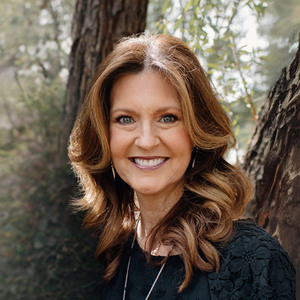
Alisa Grace ('92) serves as the co-director of the Biola University Center for Marriage and Relationships where she also co-teaches a class called "Christian Perspectives on Marriage and Relationships." While she speaks and blogs regularly on topics such as dating relationships, marriage, and love, she also loves mentoring younger women and newly married couples, speaking at retreats and providing premarital counseling. Alisa and her husband, Chris, have been married over 30 years and have three wonderful children: Drew and his wife Julia, Natalie and her husband Neil, and their youngest blessing, Caroline.