Marriage Doesn’t Have to Be This Hard
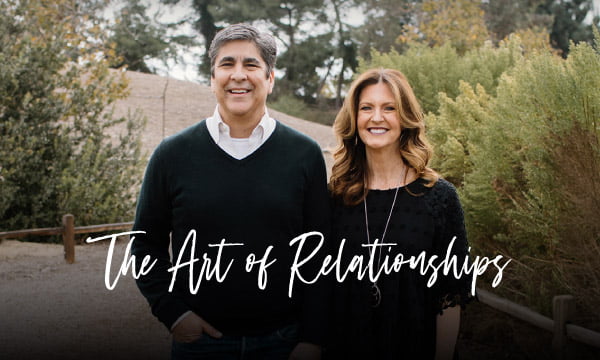
In this episode, Chris and Alisa Grace sit down with James and Arlene Pellicane to explore how marriage can actually become easier—not harder—over time. Drawing from 27 years of marriage, ministry, parenting, and hard-won wisdom, they unpack what it looks like to build a relationship that thrives for the long haul.
They discuss practical tools for healthy communication (including how to address tone and conflict without defensiveness), what to do when you disagree on big decisions, the importance of servant leadership and mutual submission, and why taking fun seriously is essential for a strong marriage. They also tackle modern challenges like phone distraction, the “still face” phenomenon, and even how AI can subtly interfere with influence and connection in a relationship.
Whether you're married, dating, engaged, navigating roommate dynamics, parenting together, or simply wanting healthier relationships, this episode offers practical encouragement to help your relationships feel lighter, stronger, and more life-giving.
Resources Mentioned:
Making Marriage Easier – Arlene Pellicane
A practical, encouraging guide filled with simple habits and mindset shifts that help couples move from surviving marriage to truly enjoying it.
https://arlenepellicane.com
Happy Home University Coaching – James Pellicane
Coaching resources for dads and husbands who want to grow in leadership, connection, and intentional family life.
https://www.happyhomeuniversity.com/coaching
Still Face Experiment (Dr. Edward Tronick)
A powerful research study demonstrating how quickly disconnection impacts relationships—and why attentiveness matters. https://www.youtube.com/watch?v=f1Jw0-LExyc
Connect with Us:
Website: cmr.biola.edu
Facebook: facebook.com/biolacmr
Instagram: instagram.com/biolacmr
YouTube: www.youtube.com/@biola-cmr
Join the Conversation:
Subscribe to The Art of Relationships Podcast to never miss an episode.
Leave a review on Apple Podcasts, Spotify, or your favorite platform to help others discover the show.
Share this episode with someone who could benefit from these relationship insights.
Sign up for weekly updates and resources from the Center for Marriage and Relationships:
http://eepurl.com/bgsuQv
About the Hosts:
Chris Grace, Ph.D., and Alisa Grace are passionate about helping people build and sustain healthy relationships. As leaders of the Biola University Center for Marriage and Relationships, they combine the wisdom of Scripture with scholarly research to offer practical advice and insights grounded in biblical truth.
Learn more about their work at cmr.biola.edu.
———
Alisa [00:00:00] I've got a question for you. Can marriage really be easier, not harder, over time? Well, in this episode of the Art of Relationships podcast, we get to sit down with James and Arlene Pelican to talk about what it practically looks like to build a marriage that thrives for the long haul. And so drawing from decades of marriage, ministry, and biblical wisdom, they tackle the common questions couples ask and the everyday struggles that so many of us face. Like communication breakdowns, parenting stress, intimacy challenges, and even pressures of a busy tech-filled world. So with honesty and humor and practical insight, James and Arlene share how couples can shift from simply surviving marriage to genuinely enjoying it. So if you've ever wondered whether your marriage could feel lighter, more connected, more life-giving, this conversation will encourage and equip you. To start making marriage easier together.
Mandy [00:01:01] Welcome to The Art of Relationships. This podcast is produced by the Biola University Center for Marriage and Relationships, let's get right into it.
Chris [00:01:11] Well, let's welcome in Alisa, some guests today. It's good to be with you again for our Art of Relationships podcast. And such a joy when you and I get to interact with some awesome people who have done great things. And, you know, they, before our guest is introduced, I should say she was a student of mine. And I think I could honestly say I've created. She was nothing to me. Oh no, it was like, I think it was messed up and then all of a sudden I said, I think I can take you to a better place and.
Arlene [00:01:48] Diamond in the rough.
Chris [00:01:49] That's right. It was.
Arlene [00:01:50] Thank God for intro to psych
Chris [00:01:53] Lord that I was there. But Lisa, why don't you introduce our guests today? They have a great book out, Arlene does, and yeah, introduce them.
Alisa [00:02:01] Yes, our guests today are James and Arlene Pelican, and if you have been watching and listening to The Art of Relationships, you've seen and heard from them before. And so Arlene goes way, way back with us, and really, by guilt of association, James is this too. And so, Arlene, tell us, James, how long have you guys been married? 27 years.
Arlene [00:02:26] 27 years! Wow, 27 years. 27 years? You have 30 kids? Like yesterday.
Arlene [00:02:30] Because how?
Arlene [00:02:32] 21, 19, 16. How does this?
Arlene [00:02:34] And you have a son and then the two girls right to your daughters
Chris [00:02:38] The 16-year-old is looking for colleges. She is. She's looking at biologists. She's look at biologist like mom and not dad, though. No, you were here, too. No, I was. No, I didn't think so. Yeah. Don't hold that against me. No, it was.
Arlene [00:02:52] I'm sorry, you're going to have to leave the podcast on stage.
Chris [00:02:55] It depends on where you boy at.
Alisa [00:02:58] As long as it wasn't Azusa. Yeah, it wasn't Azusa, it was a waltz. Look at your face, it's a jukebox.
Chris [00:03:07] Well, you guys, thanks for coming on the program with us, and I'm so glad you guys are able to stop by and give us time. Both of you have been involved in marriage ministry for a long time. You, Arlene, speaking for women's conferences, we see you everywhere. You know, we're about to go speak somewhere, like, oh yeah, we had Arlene here, you know.
Alisa [00:03:29] We recommend Arlene when we can't do it. You've come and speak at many of the women events that I did when I was Director of Women's Ministries.
Chris [00:03:38] So, how did that happen? Did you guys, when you were married, I'd assume you had this perfect marriage that was like conflict free and people were like, gosh, how do you do it?
Speaker 5 [00:03:48] That's right.
Chris [00:03:49] Or do you feel like, yeah, boy, this took a little bit of time before we found our rhythm together?
Arlene [00:03:56] I'll let you answer that and then I'll clean that up.
James [00:03:59] I'm going to say every single one of her books has been built on the anvil of our relationship. Oh, it's great. It really is. It really has. But you just figured it out, praying, talking, I have a big mouth, I mean really big. So she gets to hear a lot.
Arlene [00:04:12] That's true, I don't have to wonder, what would my husband think? It's like, oh, you are telling me what you think. Oh, you're in New York, from New York. My second book came out in, let's say, 2014, 31 Days to a Happy Husband, and that's born out of, oh I hope we have children now, the husband's kind of feeling like, oh, I used to get all this attention, and now you have no energy for me, it all goes to the kids, what about me? And so that's kind where that came out of like, how do we... Keep the husband, we always hear happy wife, happy life, but this is the idea, happy husband, like how do we make him not be forgotten? So that's where that, so it is true that we kind of read from this book and making marriage easier, the new one 25 years later is we wrote that at the 25 mark and it was like, okay, when we look back at this, this took effort, but it wasn't like the hardest thing in my, right? It wasn't every day we're gonna sludge it out. No, it was this has been pretty much great. So what made this pretty much great? What made this easier? And that's kind of what I was writing out as well.
Arlene [00:05:17] I love that aspect, you know, John Gottman, one of the leading marital researchers, some of his best research has come out of the principle that you just said, not necessarily looking at the marriages that aren't thriving, those that are striving and what are they doing wrong, but he looks at successful couples oftentimes and says, what are the doing right? And let's research that and glean those principles. So I love the aspect. It's such a love it.
Chris [00:05:46] Yeah, and the analogy of the anvil, right? I mean, where you're just pounding away at this, and hopefully it's soft metal, right, and that's, I think it can, you know, maybe extend in the analogy too far. It's, do you have an open heart? Are you willing, you now? And James, I guess from what you are saying, you would be kind of an external processor, like you can just talk and share your feelings, and Arlene, you never struck me as an introvert ever. And so I imagine for the both of you, it was something that, it's a blessing to have someone who at least shares and talks. Okay, let's start with some questions. First of all, Arlene, we're gonna list the number of your books already on the podcast, including this new one, Making Marriage Easier. What a great title, by the way. Then, but what struck you guys from your own experiences? Some of the most difficult things. And making marriage harder starts, you know, with what? And I don't know about y'all, but it seems to start when we recognize some couples like us are struggling with having just basic conversations about sex. Or we reach an impasse on a conflict and we don't know what to do with it. And that's, you know, I think for a lot of people they make marriage harder because they just don't have some simple tools. Give me what you would say is one of the best things you can do in a relationship, in a marriage to make it easier if you had a couple of, like this is what I would start with.
Arlene [00:07:23] So when we were dating, we have the famous story of when James approached me and said, I have something I want to share with you, but I don't know how to say it. And I thought, well, I hope it's not engagement. I hope this isn't it. And he says, you have some hair on your lip. Have you ever thought of electrolysis? And this is what he honestly says. And I'm like, oh my goodness, I is deep and I need to go. So I leave. I look in the bathroom and I'm like, oh my word. I have, you know, it's like this peach fuzz that I've had all my life, but then all of a sudden I'm, like, I like have a mustache. Oh my goodness, oh, my goodness. So that concept is, you may talk to me about anything and his thought, what were you, why did you wanna?
James [00:08:08] Well, if I can't talk to her about her facial hair, you know, we're just starting this relationship. Yeah. How are we going to talk about this stuff that really matters?
Arlene [00:08:16] If we can't get past the anchor or we can talk about like kids, money, houses, but you can imagine like a woman's like you cannot talk about my appearance, my body, like you can't do those things. So I think a lot that's helped us in marriage is, and it is hard because I will say we talk about this, but there's plenty of times I want to avoid like, oh, I hope he doesn't talk about that. But that as that underlying base, you may bring that up, whatever it is. And I will not attack you, I will be safe, you can tell me. So if you have this disposition, you could tell me anything. And then if you say it and it's still like, oh, I can't respond, that's fine. Then just be quiet with it for a little bit. Pray, Lord, is there truth in that? Usually it hurts because there's a little truth in there. So Lord, and what you said about the anvil and this metal being soft, I have found that if my heart is soft toward God, then I could be like, God, is their anything? That I'm supposed to get from this. Like, Lord, if it's wrong, then you defend me. You know, that kind of thing, like soft towards God. It makes me softer towards James. But if I'm like, well, I don't want to listen to James. Like, he doesn't know any, why was he to talk about my hair? You know it's on my lip. And then it's like, that makes you harden toward God as well because you're not open for correction.
Chris [00:09:33] James, you must have known this would have went well, and you just intuitively thought, based upon your relationship with Arlene, in this situation or others. But you are also then pretty, I would imagine, that takes some understanding of, yeah, this is something that's important, or could be, it's not that big of a deal, but the principle itself of being able to share, You probably had some- you know, like I know this and I know our relationship is, I know how she'll respond and I would want her to do the same.
James [00:10:09] Yes, but yeah, I have two thoughts one for me. It's man. I need to make sure my tone isn't harsh So we actually have a coach. She's coaching She's my coach on it had to be like seriously. I can get a little harsh. My heart is good Yeah, but how I correct the kids how I talk to her
Arlene [00:10:28] The words are totally fine, like I agree with you. I'm right. He's right. But the way he said it, it's like, oh you're angry. Or you're...
James [00:10:36] You're like this, right? So the tone is a big deal for girls. Yeah. And you could build on that. And maybe, would you like to take some time off? My second thought would be, is for the guys, and I just see this so much, is they go underground. They go to porn. They start talking to guys at the office. They talk to everyone but God and their appropriate spouse. They just, they don't deal with that. What have you noticed? I mean, it's easy for us. Great question. I'm going to say from a guy, from a guys perspective. We don't want to be seen as needy or like, or weak. Like I'm a free spirit. You know what I'm saying? Now listen, I have a need. Well, the truth of the matter is I do have a needs and only she can need it. You know what I'm saying? Yeah. So, but to say that and to say it once, you know, it's kind of like the old joke, you know, I told my wife I loved her, you now, 30 years ago. Yeah, yeah. Guys many times need to tell their wives they need more attention. Yeah. It's a euphemism. More than once. Yeah.
Chris [00:11:35] And then the tone thing, one of the areas that I study social psych, but when the verbal and the non-verbal don't match up, we kind of get a little bit of concern there, right? To the extreme, if I tell you, I'm not angry, well, you don't believe my verbal, you believe what you see. So, Arlene, I imagine when you start talking with the kids, it's like they're gonna, They know what you're looking like, how they feel when you talk. They don't always hear your words, but what you guys picked up on is interesting. I say I love you, not just with words, but in the way I correct or in the way I speak a spiritual truth to you. So you
James [00:12:22] or urethesis.
Arlene [00:12:23] Well, I have a question for you, but go ahead with your
James [00:12:25] So years ago, if I'm not mistaken, you showed us that stillness this video. It just give us a 30 second wrap up. What is that?
Chris [00:12:32] Well, this mom, you know, was instructed to interact with the child. These Yale researchers did this great, maybe Harvard, I don't know, some small school. And so they had them interact with a mom, the eight, nine-month-old baby, 10-month old baby, and they filmed it, and everything is great. Mom and baby are coordinated, they're in sync, they're talking, the baby points, the mom looks up at the same place. And they almost go back and forth in this rhythm. Then the mom is instructed, all right, for five minutes, don't give your child feedback. In fact, it's similar to this right here. In any relationship, she was instructed to do the still face, which is almost exactly what happens when people start looking at their phones. So if I'm interviewing, we're talking here like this, and you're about to tell me something important, and I go. Uh huh, yeah, good, uh huh, good. That face, that still face says, I'm disengaged, I'm not with you, we as adults go, what should we do? Okay, whatever. And that's very important. And I don't like you. And it communicates, I don't like you, so this baby picked up on it within probably four or five seconds. The mom just sat there like this. Not mad, not angry, just still. And it was almost instantaneous when that baby just reacted to. Where'd you go? What happened? Where are you? What happened?" And they start making, you know, these vocalizations of ah, ah, trying to get her attention. And then was crying. Yeah. And then, and the message is almost always communicated in any conversation. It's one of two things, I either like you or I don't like you. Even in the drive-through, even on the phone within the first three seconds, I'm like, oh, good night. So then I go, well, why'd you call? Well, I thought you, we already fixed that. Like.
James [00:14:32] That's a half a video.
Arlene [00:14:33] So why don't you ask?
James [00:14:34] I asked because I don't know if you could put a link to that in the notes. We sure can. The reason why I ask is because I find that guys today are challenged. Yeah, we are. So we got the still face. A wife needs attention. She needs love. And we're just I'm I'm fixing it. I am fixing the problems of the world with people. You know, I mean, this is big stuff. I'm telling you, you know what I'm saying? And it's right on my phone. I work, you don't get self employed. And I'm right here and she's asking me X, Y, and Z. And I really got to watch that. Talk about making marriage easier. I said, there you go. Sorry about that.
Arlene [00:15:10] Can I ask this question? When that issue came up about your tone, James, how did you address that, Arlene? Can you articulate how did your
Arlene [00:15:23] articulate that to you. How did that play out? And this is very good to realize this is ongoing process. It's not just like, Oh, we had one conversation 10 years ago. This is like, you keep having these conversations. It usually is that I don't say anything and then you just use as a tone. And then I'm like, I don't want to respond to that. You sound like you're all huffy about it, or it's that know it all. And it's like, I actually agree with you, but the way you're saying it is so I know this and don't you know, and it's. I feel like I don't want to agree with you because of the way, just the way you're saying it. So you just kind of let it go for a while. And then you are like, something kind of snaps that I don t, it's just like your tone. And then it just kind comes out, your tone, if you would do it. So that's not necessary. If I would have gone back and right when it starts, and that is why we're having these conversations right when I start to say, Hey, you know what? I would do a lot better with it. We actually do agree with you, but if you would use that non-lecturing tone. You know, to me and the kids or whatever about an issue, that would help us receive that a lot better. So it's...
James [00:16:26] That might have shined so from New York.
Arlene [00:16:27] And no, that's true. And that makes a lot of sense. It's culture.
James [00:16:30] So not necessarily to be obnoxious, I just actually am.
Arlene [00:16:33] Yeah!
James [00:16:35] Or perceived as a thing.
Arlene [00:16:36] We've got culture and try personality the way you're wired and some others that you can't
Arlene [00:16:41] And that is sometimes why the hesitation also to be like, well, maybe this is how you are. And this is, there are many, for the most part, I'm glad you are this opinionator. So I, you know, I'd rather have that than like this milk toast guy that's not where you want. I know where you are, but I do think it is that honest and then as non-emotive like why do you do this, you do that, but as calmly as possible, you know, it would really the hour.
James [00:17:07] Now we can get to the next level, and I'm very excited about the next level. What is the next level? That is the taps for the squeezes.
Arlene [00:17:15] We literally just talked about this, like a little long-
James [00:17:17] So we're figuring this out, squeeze means slow down your tone and I can do it mid process as opposed to having my rant and then I could do it like mid process like drink a water And then the tap would be, what is the tap?
Arlene [00:17:37] Because we've heard enough about this topic.
James [00:17:43] Next topic at a double tap is it's time to like
Speaker 5 [00:17:46] Yeah, I can't, I don't know.
James [00:17:48] And then the-
Chris [00:17:48] Poe.
Arlene [00:17:50] It's
Chris [00:17:50] I will see you later tonight
Arlene [00:17:54] You know what I love about this though is that it takes it takes courage for you to be willing to speak up and share when something's not landing well with you and that can be hard for a lot of people but that takes courage and it takes the art of communication to be able to do to speak that in a way that he can receive it and not become defensive. You can share that valid complaint. Yeah, very neutral. It's the facts and this is how it's coming across but and James it's incumbent upon you to be a as you receive that to be open to it and not become defensive or Respond critically. Well, you do it too. Well how about when you do that and sure, you know, well, that's just the way I'm wired You know, why are you always trying to change me? But both of your hearts, what I hear you saying is that both of your hearts are open to each other in this process. That you're open to receiving the valid complaint because it's done with care, it's a done with compassion and empathy. And there's.
James [00:19:05] Respect and respect so a big important like we've never disciplined our kids in public. That's right They're really important about they never it's always in private be just them and I it's just the double tap is
Speaker 5 [00:19:18] We're gonna try again.
James [00:19:18] So when we talk, like I'm having a rant, or she's having a rant, or whatever the case is, we'll never correct each other in public. If we could do it, you know, directly at the taps, you're right. The taps don't work, she's never going to correct me and embarrass me in public."
Chris [00:19:34] It's a wonderful thing that honor and respect that you show each other because it really is key, isn't it? It makes you feel safe and trusted. You know, in that line, and just one more on this too, I think that when we establish something like that, I know, Lisa, for you and me, the other thing that's required man is okay I know I'm right I know she's messed up I know this conflict is gonna go my way at the very end because I'm right, right? And it's that moment, like, okay, she's too strong. Like, we have one kid that, she is our disciplinarian, she's very good at it. And with one, she didn't really get this kid as much as the other two, right. And what I had to do, you know, was gently, you know like you said, hey Lace. Yeah, let's talk, but I had to go to Psalm 139, 23, 24, and say, search her, oh God, and know her well. Try her and know all the messed up things she's doing. See all the anxious things and lead her in the right way. So she agrees with me. And the moment you start doing that, you realize, ah, wait a minute, search me, oh, God. What is going on here? Search me, what are my hurtful thoughts? What are the anxious ways in me? And if I can process that first and be open, it's like, okay, Lisa, you know, it softens me a lot, too. And I love that part of that where you guys have the relationship where you can do hard talks, you can share about. I mean, discipline, it's in the moment, right? But yet the ability to. You know, have a language to use, but also the humility, like...
Arlene [00:21:31] Bye, I made the camera.
Chris [00:21:33] Yeah, sure.
Arlene [00:21:34] Maybe I messed up and I can say going in our early years of marriage Chris was much better at being able to say me a culpa, you know Yeah, hey, maybe I was wrong. Gosh, I know what you're talking about when I finally got up the courage just to share a complaint He was very quick to say wow, I knew what you were talking about I knew right when I said it that came out harsher than I meant it to be and I'm really sorry that I did And what I found in those early years is that I had a hard time doing that. I was much more likely to be defensive. If he brought something up, I wanted to say why I was justified, why it was okay and how he did that too. And it was hard for me to take responsibility. But his example role modeled for me how to do that. And so, I just encourage our listeners and our viewers, if you have a hard or if your spouse has a hard. With that concept to be willing to role model that, even if they're not quite yet there at the place that they're willing and able to receive that and to model that back and be mutual in that give and take. It took me a while, but the more he did it, the more I learned. It gave me the verbiage to do it and helped me learn to articulate it because I didn't grow up with that. And so I didn't even know how to do it. Much less I have a willing heart. And then my heart became willing, but I didn't really know how. And so his role model really helped me in being able to learn how to do that.
Arlene [00:23:15] Huge because it's be willing to go first because someone thinking well they don't do it so why should I do it but if you are doing it first it will come around that your spouse will then get softened towards it and that your spouse could then follow suit in what you're doing and you know having that goodwill you know you didn't marry Hitler's cousin kind of thing like you have a good spouse they will rise to this.
Arlene [00:23:40] Okay, I have another. Yeah, I could start another question. Okay This is these are fun because we drew some questions that we get from some of our students or Some conferences or workshops that we do when we have Q&A So one that I really like that we got the other night would love to hear you else take on this Is when you're making big decisions, what do you do when you discern different things from God? Okay. Yeah. What do you day? How do you that?
James [00:24:07] I want to take a stab at this one because I think it's, it don't tell us really about what we were just talking about. It does that leadership, but it's servant leadership. It's to the point where you can say, admit that you're wrong. I just think the leadership, especially for me as a, as a spouse, as a dad, as the provider, as husband is so I'm like the thermostat. I create the temperature I do. I keep the temperature and yeah, this is the leadership quality of just think it is important. So what do I do when we differ? That's a tough one. I mean, if we're like set against something.
Arlene [00:24:46] Uh, I don't know. We don't differ that much. We have, what's interesting is we have very similar, like a value system, how we rate things, what we think is important. So they're pretty aligned. But if it was, okay, you want X, I want Y, we are in the state where I could be as a wife. You've heard me. You've had my opinion of why I think X is better. You have decided why I trust you. I back you up. You know, I think of family life's Bob Lapine. And once he had said, you know, Who's to say which way is right? You know, we think as a woman, like, let me straighten him out, because my way is certainly the better option of the two. But to realize, how do I know in God's sovereignty if His way or my way's better? How do I that? So you know what, Lord? I've articulated what I think is your will. I've communicated that to Him. And now I'm just gonna trust that He thinks we should do why. And I'm going to trust your sovereignty. And it is a point of like, Lord, you are the one in control. I think we want the control. So that's why it's like God. And then you don't want to pull that God card. God told us that we're supposed to go to X, Y, Z and then like, who could hide against God, right? So, and he would tell me that early on, because here I'm doing ministry, right, writing books and doing things. And he's like, well, don't attach like, God wants me to speak and never be home. Don't attach God to that, because who can the Lord do with God? So, so really saying, okay, Lord, I think in the marriage relationship as the wife to support that husband's decision, I believe in you. I believe it's worth it. God will make it for you.
Chris [00:26:23] And live support, even at that time, is pretty empowering for you to be able to go, gosh, I can just buy her something.
James [00:26:30] I want to be right for you. I want you to write an example. Raising the kids. So the way we do raising the kids is much different. I'm getting them on a bike. I'm skiing with them. I'm doing, you know, I'm doing different things than she is. She's accommodating. She's coming. Do use the phrase, don't tell.
Chris [00:26:51] Mom a lot. It's like my favorite phase like I'm like yesterday I actually did this I give a grandkid chocolate and I'm like don't tell your mom and I realized that's messed up really I know I'm sorry keep going so you like you do different ways with
James [00:27:10] So sometimes I'm wrong though, but she won't ruin my face in it. And then I come to the conclusion we'll talk about that and like, okay, but like many times though I'm right. Like I remember one time I came down and she's like, she has scrambled eggs for one. She's got over eggs for another person. She got poached eggs for somebody else and she was making oatmeal for somebody else.
Arlene [00:27:30] I'm exaggerating. He is exaggerating, I don't even know how to put today. Wow, my dog is going to sing. Wow. I know how do do this.
James [00:27:36] And I'm just like, you can't do that. No, absolutely no. Everyone's getting scrambled today. We're not gonna run mom into the ground.
Arlene [00:27:43] Yeah, that is true. So it was not poached, but it was, you know, different things.
James [00:27:48] It'll run her and then he's like no everybody the same and that leadership is awkward Yeah, and at the time is not welcomed. Yeah, at the same time I'm going out there and I'm saying this is true nor them are doing this and I've done that with you want hiking trips Everyone's kicking in scream, you know, we're gonna make a memory. We made nice
Arlene [00:28:06] What if it was something big, like a big decision, like where are you going to live? Yeah, like do we move? Do we take this new job? Or do we go to school back east? Do I take this program? And your program you want to do is in Texas, the one I want to is in Kentucky. What do we do? How do we make that decision? I sense God's calling me to this program, you sense God calling me. What do we do when we're different in that way?
James [00:28:34] We had that situation go on with our early work for CBN at the time. Christian Burke has said, no, no. Yeah, she had an opportunity, and I had an opportunity, and
Arlene [00:28:46] Yeah, two different states very early and like we're just as we were getting married
James [00:28:49] It kind of played the movie. The movie is, you know, 10 years, 15 years, 20 years, we're going to have kids and the goal was for me to be the breadwinner exclusively.
Arlene [00:28:58] So I could be home to be with the kids. Okay.
James [00:29:00] So that kind of made it wasn't what we what she wanted at the time right but nevertheless but she's also very humble
Arlene [00:29:07] Well, so what, just to clarify, I did want to be home with the kids, but it was, oh, I have this job offer. This would be neat. But him thinking like, okay, if you pursue this job offer, but then in the years to come, I should pursue my job offer so the prance of now this is beautiful. Cause we did pursue his job offer, not mine. And so you kind of feel like, Oh, I used to be this features reporter at the 700 club. It's like my dream job. And now I'm like married, you know, but I don't have a job. So that was a very good and humbling process for me and through that humbling process, God gave me, um, just to make a long story short and opportunity to talk to Dr. David Jeremiah of Turing Point. And then I started working at Turing point in their television and radio and magazine and loved it. And I just thought, you know what, Lord, I was willing to give up my job, to get married, to follow James where he was. And then you like a year and a half later provide this amazing opportunity. For me to do ministry and learn. And really it's all those things I learned at turning point that then when I was a stay home mom, I used as an author and as a speaker, all those different principles that I learned in that ministry. So I really have found when you surrender and say, you know, not my will, thy will kind of thing to the Lord and the Lord in a marriage, the leader is that husband to pivot. Where are we going? If you support that, God blesses you so much.
Arlene [00:30:35] Hey, let's be real, Chris, right? We've all had moments where we thought, I wish somebody would just help me figure out this whole relationship thing.
Chris [00:30:44] And sometimes it's not even marriage, right? It just might be a roommate or a dating relationship, family, or even...
Arlene [00:30:50] Friendships. Yeah and that's exactly why we offer free relationship advice through the Center for Marriage and Relationships.
Chris [00:30:56] Yeah, it's not only free, but it's confidential, it biblical, it practical, and those who seek guidance early enough can often avoid huge problems later.
Arlene [00:31:06] Yeah. So if you're wrestling with something big or maybe there's just something small and you don't have to do it alone.
Chris [00:31:13] Yeah, I just know that you can connect with our team today, so just check the show notes for all the details. You know, mine, I'm like, Lisa, you go to work. I wanna stay at home, but go do something. I don't care, just bring the bread. I really had to watch. You and your bonbons. Yeah, I'm like, go, get out of here. Go make some money. Leave me, and I would watch the Dodgers all day. That would fit your dream, wouldn't it? Well, playing for them would have been. I'd say that didn't work. But nonetheless, I think it's that, so it could be either way in your relationship, but the point is, to make marriage easier, right, there has to be this foundation of, look, I. We follow God. You know, we're both complementarian, you know, but I guess egalitarians can make this work out in some way. It's different, right? But that when your wife is gifted, James, and when she could do things that are like, yeah, but way better than me. Like, I knew early on, I know everything there is about developmental psychology. I can tell you. The age at which kids develop stranger anxiety and object permanence. But I couldn't discipline them for anything. I'm like, oh, I don't care. Well, you can't run with the knife, Lisa would say. I'm, like, Oh yeah, don't run with that knife. And, you know, but she just had it more naturally. It's hard to then turn that over, James, to be able to say, go, I want to encourage you. I want support you in any way I can. And I think that
Arlene [00:33:00] But I think we followed your advice for what you were talking about. Do that in private, not in front of the kids. Yes. So that we're a united front in front the kids, so I heard you say two things. One thing is that you said early on in your marriage and maybe even when in your engagement. You guys talked about your values. In the long game, where are we going? Where do we feel called as a couple? What do we wanna accomplish? Where do want to be in 10, 20 years? Overall, what do we want our lives in? How do we our lives and our family to function? So you have that. You have that conversation.
Arlene [00:33:35] So, you had those... I'm going to end... First, I'll say in here. We went to a personal growth conference called Mastermind Summit. It was for his work as a realtor, but you have people like Zig Ziglar were there in years past, and we would go every year together as a couple for let's say 15 years in a row. And we're setting goals for the family, we're sending goals as a couple, we're set in goals physically, health-wise, we're studying career goals, financial goals, and that was huge. So if you can get yourself to that kind of conference, or you go through a book together, you have a rhythm where you're saying, 10 years from now, how old are we? How old are the kids? What do we dream of that looking like? And then what do we need to do today to get toward that path? That'll keep you. On a trajectory of growth instead of like, oh my words, we're always, right? Instead of survival, every year survival, survival, survival, you have a, that really helped us.
Arlene [00:34:32] It's like you have the plan laid out and you can, you can weigh every decision. Does this help us accomplish our bigger goal in the long run? I love that. The second thing that I heard you say is the importance of, really of both of you, to have a heart that is fully submitted to the Lord first. Because Arlene, that can be hard for a woman that is. That is driven, that is strong, to be willing to come under the leadership of your husband. That can be difficult for women, especially in our culture today, because all we get led. Yeah. Gonna be under his thumb. Yeah, you're just gonna be a doormat, and I'm not gonna be doormats, and I went to school for four years. Does that mean I'm just gonna be a stay at home mom? And those are the conversations we hear.
Arlene [00:35:30] And then let's listen, dear listener, you know, hear your hearing me say, about my husband, like, oh, I wanna submit to you. I wanna respect you. I support you. And then look in exchange what has happened. Go speak, go write books. Go do things, go do things. Go dream, go blossom. It doesn't mean, like oh, I just submit now. I just sit home all day and do the bon-bon. So that's there.
James [00:35:57] And for the guy, the Bible says, you know, it's why I've submit, but it also says, submit me one to one another.
Arlene [00:36:03] That comes first in a future spine.
James [00:36:06] I hate to
Chris [00:36:07] But I'll- Yeah!
Arlene [00:36:07] Yeah, I know it was that word.
Chris [00:36:11] Tweet version babies. Oh, baby. Did you read that James? You don't need to go on to the next verse Paul is probably not even thinking clearly at that moment
James [00:36:20] But with that being said though, in the context of the guy providing leadership, there's also that submission at the same time, so that's the way I am.
Arlene [00:36:28] And the servant leadership, dying to yourself, and dying just like, right, just like Christ died for the church, gave himself up for her, the way we're to love, love your wife the way Christ loves the church.
James [00:36:44] Now, it does need to be said that the leadership sometimes provided is unpopular. We can't buy those pair of boots. I don't want the children's
Speaker 5 [00:36:53] Thank you very much.
James [00:36:53] And a kitchen and living room. We have to have, you know, we have the vegetables. And a salad. This type of leadership is not welcome.
Arlene [00:37:03] He would say we have to eat healthier and I would serve a salad and he'd say no no no a salad and a vegetable within the meal and I'm like are you kidding me I rate with a salad it's a salad AND a vegetable oh we were uprising right it's so interesting right but it's true it's sometimes not
Chris [00:37:22] Yeah, no, and it can be hard to, and unfortunately, James, I think what you're also getting at is too many men abdicate. They just give up. They don't do it or they feel brow-beaten or they're like, you know, and I think that's a common finding oftentimes, and during conflict it's easy for more men I think than women.
James [00:37:45] It kind of shut down a little bit. My biggest hard time, personally speaking with men, when they, is the lack of leadership they provide in the area of fun. You ask them, you say, what are you guys doing for fun? Oh, I don't have anything, I have no time. Well, if I give you an extra day of the week, what would you do? That's great. Well, I'll go mountain biking. Yeah, that's great Do your kids mountain bike? Oh no, no, we don't time for that. I mean, they don't any fun in their lives and then they expect their kids to want to be like them when they get older. I mean, the lack of leadership in this area is huge. You know what it is too, I think.
Chris [00:38:15] But for a lot of men in that case, James, it was for me, each kid determined what was fun a little bit differently and to be able to humbly listen to them. You know, like for Drew, baseball, it like, oh, man, Drew, this is what I do. I hope you like baseball. And fortunately, he did. Right? He loved it through high school. But for Natalie, I mean, it, she loved to, you know, do different things. And I had to figure out... All right, what is fun for you? Yeah, so for her, it was taking her out to lunch after dance class, you know? And so I'd pick her up from dance, and then we'd go and have coffee together. Sure. And she was like, that's awesome. But you know, one of them would rather go skiing than the other. I didn't want them on back there. I got it, I got.
James [00:39:05] Again, this is the area of leadership that you probably will disagree with Especially with young kids in elementary school. There's no democracy here. Like they're all doing your work. Go. We're going skiing We're gonna mountain biking and we're going hiking what you're saying and to do this together as a family And it is really I think very very healthy
Chris [00:39:25] And I think that's exactly the point, right? It is, you're emphasizing this time as a family, speaking into them, right, sure. I love that, James. So you guys, as you wrote this book, what would be another key thing that you would say, man, this helps, this is what you need to do. Somebody's out there struggling with either leadership or taking on a role, or what's another thing in there that you're like. This is important.
Arlene [00:39:56] Yes. Okay. So there are four main things. So do that. So look through it for the four, but I want to go with one of them. And it kind of, it's piggyback. It is the fun is not an optional thing. Like the, like make the decision. We will have fun. So take fun seriously is the concept. And is not just with your kids, but have fun together. And you do have to work at it because when you're first engaged and your first married, everything is fun. We went to the grocery store, it was fun. Everything you like, I like, because we're together. But then five years, 10 years, you realize, oh, you don't really like football. Oh, you really don't like being at the mall with me. You don't, right? And then you have to search for things that are fun together. So ask yourself, when was the last time we had fun together? When was the time we laughed together? And I think some of it, you know, here I am with you recording at Biola's campus, and I was a really silly and goofy girl. And inside, there's that silly and goofy girl is in there, but you get older and you get boring. You go, you do your work, you're do these things. So where is that fun person? And how can I bring her out from time to time to be a little silly together? So whatever that fun thing that you were when you were dating, revive those things, clasp those things. We need to have a thing. And we are not good at this because he's super athletic and I'm not athletic. Anything you put on my feet and that's over like a ski, a roller blade, anything that goes on my feed. I'm like, I'm out, but we've come to a new thing. Go ahead. Tell him what we do. No.
James [00:41:30] So we had this conversation that the days were getting boring. Yeah. We have to eat. How many times can you eat? Yeah. I mean, I can eat all I want.
Speaker 5 [00:41:36] You
James [00:41:37] But it was getting boring, so I was like, I like to do things, so let's do something we can do. Let's play the movie, let's go out 10, 15 years. What can we do? Well, we can pickle ball. You don't need shoes. We can do dancing. I guess we can other things as well, we could do cards, balling. Why don't we learn how to dance?
Chris [00:42:00] So we run out of time. Thank you for joining us on the Auditor's Request. We'll never be back.
Arlene [00:42:08] So now we waltz, and we swing, and tango, and waltzing.
James [00:42:11] I thought it was local community guys.
Arlene [00:42:14] He goes to classes.
James [00:42:16] Where did you call him? That's messed up.
Arlene [00:42:17] Now, you're saying that, but he actually did do salsa dancing lessons with a, we did it with two other couples and we did salsa dancing lessons.
Chris [00:42:27] I thought it was the most likely to succeed, but the bar was pretty low because it was most likely you succeed in learning one step.
James [00:42:37] I got your V. The very first class that I took, my family behind my back was taking bets on how long it would take me to draw.
Arlene [00:42:43] That's right, we were. Really? You had a full go at it? We were.
James [00:42:46] I'm not a dancer.
Arlene [00:42:47] And you stuck with it though. He did.
Chris [00:42:49] Three or four years ago.
Arlene [00:42:51] That's it.
Chris [00:42:51] The fun It's a wonderful concept and it has to be there and and ice so you could do it You know, you could as a family, right? You could purchase but there's also that you and I need to maintain this like we don't have to have the kids to have
Arlene [00:43:08] that you could have let's just as a couple and we should have fun just the two of you you know i think that that was one of my next questions i wanted to ask is about how do you continue to build a friendship as a married couple and and i think one of the key elements is finding is finding the fun again yeah finding and trying new things yes chris oop what is the research Then it was done. I'm gonna I'm going to butcher this as I'm asking this question But about couples that engage in new adventures together, that they have a higher rate of, or they would rate their marriage satisfaction higher? Is that right?
Chris [00:43:51] It is right, and you rated on satisfaction, happiness, you know, and where they're at. And it was, you know. It did depend a little bit on the person and how you defined adventure, right? Right.
Arlene [00:44:04] Because it's different for everybody.
Chris [00:44:06] And it is, I guess the broader is, what do you enjoy? What's that thing that kind of revives you, fills you? And the couples that practiced that and did that had these significantly different ratings. And from the beginning, if they didn't have much and they did incorporate it, their rating of their happiness actually kind of just kept growing as they did these fun things together.
Arlene [00:44:30] And I think it's so important to be willing to try something that maybe doesn't appeal to you at first, or maybe doesn' t sound as much fun. Because number one, you never know. You never know until you try. And if it's awful, it's still a funny thing to think back on. Exactly. You can even man up. That's exactly right. And he did. He came and he did that with me. One of the things we did was a book club. Uh, that was not on my, you know, on my bingo card. But it was it was the whole bingo for
Chris [00:45:03] There's the whole crime and punishment Dostoevsky that really ended the whole, it was like a good eight year run and she's like, I'm done. You know, I've done this for eight years. I'm not going to read crime and punishments one more time.
Arlene [00:45:15] But that was something that we did that really appealed to him. It didn't necessarily to me at the beginning. But then I found that I really I'm a reader. I love to read. And so there were really some good books that we came across in that book club that made me so glad that I was willing to do it or that he was willing to do for me. Yeah. And just the fact that he was willing to engage in something that I knew that he wasn't thrilled about. But he's like, no, let's go. I'm willing to try. It just meant the world to me. That built up a lot of goodwill. It was investment in our love bank. Yeah, right?
James [00:45:56] And now I want to piggyback on that.
Arlene [00:45:57] Yeah, buddy, big change.
James [00:45:59] I don't know if I'm allowed to say it, it's not a four-letter word, but don't be a fart. It's just an old fart. It's so easy to, like, poo-poo it. It's like, nah, I don't want to do that, do that. That's so easily. We really need to rise above that. And that's part of that, submitting one to another. And the other thing I was thinking about was that, is it the Venn-V and Venn diagram? Initially, it's like really easy when we're young. It's exactly why you're getting married. We focus on one another. We have kids, we focus on this. And then as we get older, you get 25 years of marriage. The focus isn't together. And getting that focus back together on the fun areas, it really pays wonderful dividends.
Arlene [00:46:40] You literally quote in my book because it's, if you like it, I'll try it. That like that motto, if you like, it I'll write and I'm willing to try.
Arlene [00:46:48] Yeah, just because it is something that's important to you go into the Dodgers. The Dodgers were not big on mine
Chris [00:46:56] either on James's he's from New York
Arlene [00:46:59] Bye.
Chris [00:47:00] She'd burn it out.
Arlene [00:47:01] Oh, because it's important to him. I'm gonna go to the Dodger game So like I can tell you that Freddie Freeman plays first base Tommy Edmonds a second base Smookie Betts a short stop third base is maximum Let's see what he gave Hernandez his left field Andy Pajas was Centerfield that I think he's gone now and then right field to Oscar Hernandez Best pitcher in the world for us Shohei Otani and behind the plate. We got little Will Smith. Let's go
James [00:47:29] Wow, that's a good one!
Arlene [00:47:30] Not it's not because I really enjoy the Dodgers although I have learned as I get invested and learn more I do enjoy it. Yeah, but primarily it's because I love him and if it's important to him. It's important
Chris [00:47:44] Listen, can I just be really, you know, right with you? You're turned on right now. You are so sexy. You are so sexy right now! Excuse me, we're gonna have to take a break. We're gonna write to Angus because, good night, that was unbelievable. Give me some. And so that requires me to, you know, in that way also want to extend the same thing for you and do that, which is what your guys are saying. So. Yeah. So wait, oh you go ahead and wrap it up or?
Arlene [00:48:15] Well, yeah, I was gonna say maybe just one final question and we've got like two minutes So maybe just your your final thoughts on this What do you do when Okay, what do you? Do this a guy wrote in and he said my wife trusts AI advice more than my own So how should we deal with this?
Arlene [00:48:38] This goes almost, I'll hopefully wrap this around, when we're talking about the fun, then you think, look at the world we're stepping into, where we're gonna be more still faced, more looking at the post. When we have free time, that means we're going to consume more YouTube, we're go to consume social media, consume more store, and then the two spouses will consume different things. So it is the ultra opposite of what we're doing to. And so then you're in this world where why would I listen to you, dear? The AI, it's kind of like the doctor in the family who gives the advice that nobody listens to it and they say, but the internet says this. So it's the same problem that we've always had, but greater since let's say, so I would really, this is a toughie because like, I never talked to AI. I just find it weird. I'll type in my prompts. I will get an answer. I will say like, summarize this for me. And it will, you know, and it's all written. Where James, but he is more verbal. So he'll talk to it, and then it will talk back, right? And it is kind of a bothersome though, like why do we hear this voice once in a while? So this is a thing. So I don't know for couples to talk about it, for the person, whoever's using the AI, but the conviction fall like, like that person that's with you actually does know something, you should give them credit for knowing what kind of respect, other respect for you. And yeah. Cause you don't want to feel like you listen to this computer, but you don't listen to me. Like that is not a good feeling for either styles.
Chris [00:50:09] Maybe they need to clarify what areas, like, for example, if the wife would, you know, how do I change the oil? My husband doesn't know anything about changing the oil or whatever. How do I cook this steak and I don't trust what my husband says? Like, alright, I get that. So maybe it's a conversation they need have about, hey, hold on here, I start to feel like maybe you are, my influence is waning. That you don't see me the same way, that I'm not considered as good in some areas as this is, and is that the message?
James [00:50:50] And emotes to the council is wisdom, right? But we're talking about something a little deeper here. We're talking where this is like, it's a gray in the center of the conversation. And the truth of the matter is, yeah, Google knows a lot more than Arlene knows, right. And sort of stretch GPT. Yeah, I'm not gonna win the knowledge game. Right? But I didn't marry Google. Yeah. You know what I'm saying? Marrying a woman. And not only that, I don't, I know last time I checked, people don't want you to know it all. You know, what I am saying? And to have this thing in between the two. That's right. I just think something's a shoe. There's something is to you I would suggest to our listeners you go ahead
Arlene [00:51:23] I was gonna say research shows, like with John Gottman, research shows that the happiest couples, those that are thriving, have the strongest relationship, are those that receive the influence of each other. And especially, especially for men to receive the re-influence of their wives. But that it's mutual, that if I need to ask Chris for his opinion, and then I need to be willing to take it, very often. And then same for him with me. And so being willing to accept your partner's influence, their opinion, their insight over AI.
James [00:52:01] That's a big deal.
Arlene [00:52:02] And so maybe stop going to AI and go to your spouse. Do a little AI fast. Yeah, there you go. Take a two-week break. Come to your spot.
Chris [00:52:09] I think that's exactly
Arlene [00:52:10] You can be right or you can have a really healthy relationship.
Chris [00:52:14] That's good, Lise.
Arlene [00:52:15] And sometimes you can have both.
Chris [00:52:19] And I think it goes back to one last thing, and James, I love just the analogy of the Venn diagram. So you know when you first love each other and you're together, everything is wonderful. You have all these overlapping areas. And in a marriage in which there's increasing isolation, right, instead of intimacy, and so that movie that you play out to in yours is we want to grow closer, we want more intimacy, and you better start identifying what's the thing that's taking us away. And it might very well be Instagram rills. It might be things that you are doing now, independent, which is fine and good, but it's too much so when we're having these isolated now lives. Like your hobbies. And now we just want roommates. The kids. Let's together. And so to really put an intentional effort into what's fun for you today? What is the... What is a way in which I can join you in this and how do we keep that those vans together, right?
Arlene [00:53:22] Maybe that's a new book that yeah, the Venn diagram for marriage Hey, so we just want to really encourage you to pick up Arlene's book making marriage easier. You're gonna love it It's an easy read and just full of gold nuggets throughout the whole book So we'll put a link to it so that you can get it James Arlene. Thank you so much This has been so fun. We told I feel like we could sit here for three hours and never run out of these
Chris [00:53:49] Yeah, this could be a we just keep going forever. This is a good one. Thank you for coming in and joining us You guys can find Arlene and James is speaking all over the place And then go to their website as well
Arlene [00:54:06] What is your website? So arlenepelicane.com, and James is doing some coaching. So dads, if you're out there and you want coaching as a dad or as a husband, happyhomeuniversity.com slash coaching.
Chris [00:54:18] So happy on university. I'll just say this, and this is way more important than anything else is we know your kids. In fact, I just talked to your daughter and I was just impressed. There are some kids that are impressive. Just, she smiled, she greeted, she talked to an adult, like in a, you know, some 16 year olds would just sit there. So you guys have done a wonderful job in raising your kids and you could tell it in that. And so that's a good way to know, is this a good place to go? Well, let's look at their kids. And you guys have wonderful kids. So thank you. Thank you for being here today. Thanks for having us.
Arlene [00:54:54] Okay, check out our website at cmr.biola.edu, where it has a lot of free information, lots of free resources, but we'd love to have you check it out.
Chris [00:55:04] Yep, see you next time.
Mandy [00:55:08] We're very glad you joined us for today's podcast. For more resources on marriage and healthy relationships, please visit our website at cmr.biola.edu. We'll see you next time on The Art of Relationships.
Authors

Chris Grace
Chris Grace, Ph.D., is a professor of psychology at Rosemead School of Psychology and Director of the Biola University Center for Marriage and Relationships. With degrees in psychology from the University of Northern Colorado (B.A.) and Colorado State University (M.S. and Ph.D. in Experimental Social Psychology), he has taught and written extensively on relationships, marriage, and the integration of faith and psychology. Honored with awards for both teaching and scholarship, Chris is passionate about making research and biblical wisdom practical and accessible. Together with his wife, Alisa, he speaks nationally to couples, singles, and churches, and co-hosts The Art of Relationships podcast, equipping thousands with tools to build stronger, Christ-centered relationships.

Arlene Pellicane
Arlene Pellicane is a speaker and author of several books including Parents Rising: 8 Strategies for Raising Kids Who Love God, Respect Authority, and Value What’s Right. She is also the co-author of Growing Up Social: Raising Relational Kids in a Screen-Driven World (with Gary Chapman). She has been a featured guest on the Today Show, Fox & Friends, Focus on the Family, FamilyLife Today, The 700 Club, and Turning Point with Dr. David Jeremiah.
Arlene earned her BA from Biola University and her Masters in Journalism from Regent University. Arlene lives in the San Diego area with her husband James and their three children. To learn more and for free family resources such as a monthly Happy Home podcast, visit www.ArlenePellicane.com.

Alisa Grace
Alisa Grace ('92) serves as the co-director of the Biola University Center for Marriage and Relationships where she also co-teaches a class called "Christian Perspectives on Marriage and Relationships." While she speaks and blogs regularly on topics such as dating relationships, marriage, and love, she also loves mentoring younger women and newly married couples, speaking at retreats and providing premarital counseling. Alisa and her husband, Chris, have been married over 30 years and have three wonderful children: Drew and his wife Julia, Natalie and her husband Neil, and their youngest blessing, Caroline.