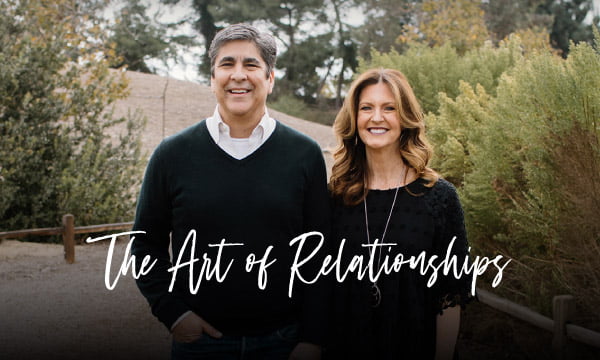
The Marriage Habit: 10 Simple Practices to Build a More Intentional, Thriving Relationship
In this episode, Chris and Alisa Grace sit down with Casey and Meygan Caston, founders of Marriage 365, to explore how small, consistent habits can radically transform a marriage. Drawing from their own near-divorce story and their new book, The Marriage Habit, they discuss how thriving marriages are built not on perfection or big breakthroughs, but on intentional daily practices rooted in curiosity, gratitude, humility, and grace.
Throughout the conversation, they unpack several of the ten habits from the book, including the weekly marriage business meeting, scheduling sex, the 60-second blessing, and the power of unsolicited apologies. The discussion highlights how habits reduce conflict, create emotional safety, deepen intimacy, and help couples resist “the drift” that so often happens over time. Listeners will gain practical, research-informed tools they can apply immediately—whether their spouse is fully on board or not.
Whether you’re navigating marriage, preparing for marriage, parenting, or even managing roommates and family relationships, this episode offers hope-filled, actionable insights to help you build a more intentional and connected relationship.
Watch on YouTube:
Resources Mentioned:
- The Marriage Habit – Casey and Meygan Caston outline 10 simple, research-based habits to help couples move from drifting to thriving. https://amzn.to/4qS18pi
- 365 Connecting Questions for Couples – A practical tool designed to build emotional intimacy through intentional, curiosity-driven conversation. https://amzn.to/49iwBLq
- Marriage 365 App – A digital resource offering videos, courses, and tools to help couples strengthen their relationship.
www.marriage365.com/app
Connect with Us:
- Website: cmr.biola.edu
- Facebook: facebook.com/biolacmr
- Instagram: instagram.com/biolacmr
- YouTube: www.youtube.com/@biola-cmr
Join the Conversation:
- Subscribe to The Art of Relationships Podcast to never miss an episode.
- Leave a review on Apple Podcasts, Spotify, or your favorite platform to help others discover the show.
- Share this episode with someone who could benefit from these relationship insights.
Sign up for weekly updates and resources from the Center for Marriage and Relationships:
👉 http://eepurl.com/bgsuQv
About the Hosts:
Chris Grace, Ph.D., and Alisa Grace are passionate about helping people build and sustain healthy relationships. As leaders of the Biola University Center for Marriage and Relationships, they combine the wisdom of Scripture with scholarly research to offer practical advice and insights. Learn more about their work at cmr.biola.edu.
—————
Chris [00:00:00] But what if the key to a thriving marriage isn't more counseling, more dramatic breakthroughs, but small consistent choices made every day? In this episode we sit down with Casey and Megan Caston, founders of Marriage 365, to discuss their new book, The Marriage Habit, 10 Simple Practices to Build a More Intentional Thriving Relationship. After nearly divorcing within three years of marriage, Casey and Meghan learn first that great marriages are built not on perfection. But on purposeful habits of connection, curiosity, and grace. Today, their ministry reaches millions of couples through the Marriage 365 app. Courses and resources helping relationships move from striving to thriving through practical research-based tools that actually work.
Mandy [00:00:49] Welcome to The Art of Relationships. This podcast is produced by the Biola University Center for Marriage and Relationships Let's get right into it.
Chris [00:00:59] Well, Alyssa, one of the cool things in this podcast is the opportunity to be able to have in guests that we've known, well, maybe for 10 years now, don't always interact over the years, but we've know them, we know their ministry. And it's so fun to have guests in general who are kind of experts in some really cool areas of marriage.
Alisa [00:01:19] I think we met you guys about 10 years ago at a marriage summit. You guys were like 12 years old just starting and look at you now. It's been really fun to watch you guys and see your ministry grow through the years. I mean the level that it's at now is just incredible, just fantastic.
Chris [00:01:41] It's not just, I mean, it's God that does these things, but you have to put in the work. You have to in the energy, the time, and it's a weird little thing between God's blessing, right? He is moving it forward and us having to do work.
Meygan [00:01:55] And to have so much fear that we were young when we started this, we felt like we knew nothing about marriage, that we are very, we're a very messy couple and God, you're gonna use us.
Chris [00:02:08] Well, so messy, Megan, that you guys almost divorced after three years. Yeah. I mean, that's, that...
Casey [00:02:15] Well, we had a, like, the typical love story we met in college, fell in love, and dating was so much fun. I mean, it was a blast. The things that we did. I wrote her a song, like I was so in love with her. Can we hear it? Come on. Come on, Casey. Was it guitar? Well, there was one song about it. And I sang it over at a park, and I was just thinking, she got me like chocolate covered strawberries. I'm like, this is incredible. Like this feeling is amazing. We should do this forever. And so we got married and literally on our wedding night, things started to break down really quickly.
Meygan [00:02:54] He slept in the other room, the hotel room. Can you believe that? Oh, it was like that bad. Where it was, like, a full. Was it?
Chris [00:03:01] It was a conflict, and we don't have to get into the story per se, but is that what it was? It was about sex. Sex, yeah. Well, what isn't about sex?
Casey [00:03:09] Sex on your wedding night, but this was mostly... Well, I waited until I got married. And so round one happened pretty quickly. So I was like on to like, hey, round two, I'm gassed up, let's go. And she said, no, she said no. I got rejected. And I took it extremely personal and thought, oh my gosh, how could she ever do this to me? She hurt me. So she was at this really high pedestal. And then as soon as that expectation was broken, this really happy-go-lucky guy became really angry. And I'm like, where's this anger coming from? Why am I so angry? And those early years of our marriage were just filled with these fits of rage because I had such an unrealistic expectation. I had no tools on how to deal with that. And I think the big story behind Megan and I is we had no models of that growing up. So. My mom has been married six times. And between both sets of our parents, there's 12 marriages. So walking into marriage, we just kind of thought love is all you need, right?
Meygan [00:04:18] And love is not all you need, apparently, because I really, we were so naive to think that we were just gonna be that happily ever after couple, which I think we're not alone. And we've learned on this side of marriage, being married now 22 years, that most couples go in with that mindset. We love each other. We love God and what he found the world. Yes, we're gonna be great. But if you don't have the tools or if you came from a lot of baggage like we did, it's gonna be exposed eventually for us. And we like to joke that it was so bad. And that we're so stubborn that it came out in three years, because we know some couples were, it's been five or 10 years. Yeah, before.
Chris [00:04:54] When this happened, Casey, you had filled this, you know, it started with the rejection, I get that, and all of a sudden it taps into something that maybe you never experienced together. That's hard to identify early on, right? You just don't go, oh, I felt rejected, and therefore, you're right, I mean, instead we don't have the skills to be able to put that into work, and now you are going, what is wrong with this crazy man I married?
Meygan [00:05:22] Absolutely, I had never even seen him get angry before. I was like, who did I marry? Did I make the biggest mistake of my life? That's really scary.
Alisa [00:05:29] Very scary when you're so young. I could just be really curious. Did you guys have premarital counseling?
Casey [00:05:36] We did, actually, and it was very shallow. And it was kind of a, here's a workbook, go through it, we'll talk through the questions. But it was, like, we didn't talk about sex, we didn't talk about-
Meygan [00:05:48] We talk about our family of origin and here we are coming from 12 marriages between our parents. How is that not to sell that? I mean, like, yeah, my dad's been married three times. My dad ended up marrying the mistress. Like, we have baggage that we came from. Never address that in premarital. So we would give it, like as a grade, I would say we've talked about this post, like a D plus. So it wasn't quality. Cause premaral is, we are a huge advocate for that. But you wanna make sure you meet with someone that's qualified, well-trained, that knows what they're doing. And we did not.
Casey [00:06:20] And also willing to talk about the hard topics because you've got two people that are in love and you kind of have to almost disrupt them and say, hey, hey. Let's talk about something that's hard because you're on the love drug. Right. And that's actually that was so passionate, like a driving force for us to see great premarital education out there. The first product that we ever created was a premarinal course because we're like, so this is what we We need to have that hard conversation about family, money, sex, communication, conflict. When we were first got married.
Chris [00:06:57] You never understand, you know, people ask and you know questions, why am I in this marriage? What is this about? What happened? What did I do wrong? I need to get out and then I made a mistake. I married the wrong person. And then all of a sudden, here comes you guys, this redemption story that have taken something with God's help and his redeeming power to say, I Yeah, I don't know I put you through this right? I know all things. I know where you're going. It wasn't I didn't want this for you But I will use this and I will Use this in the lives of others and you guys I think that's what your ministry is, right? It's taking the broken taking the messed up taking The issues that obviously we can tell that casey had more of and then
Casey [00:07:50] being able to, to, although, you know, my prayer was, God, would you just please change Megan? Of course. And then we're gonna have a great marriage.
Alisa [00:07:57] I think that's every every husband I'm like that say them fight cry the same thing they changed my husband he does not know what he's doing
Chris [00:08:06] Oh, even to this day, Psalm 139, 23 and 24 says, search her, oh God, and know her heart. Search her. Try her and know how anxious they'll see if there's any hurtful way in her. Yes. And I go off and I pray that, cause I know I'm right. Yeah. Right, I mean, we're in conflict. I'm like, I know, I'm, right. So let's go do Psalm 12, you know, 139. And it's about five seconds into that prayer. I'm Like, well, good Lord, it's me, isn't it? And then five minutes later, I am convinced. Of what I played. When did it take you guys? What turned it? What was the issue? I mean, what triggered a change?
Meygan [00:08:43] That is a great question and that's the million dollar question everyone wants to know is we were truly the least likely couple to succeed and here we are. Advocates for marriage. It started with me sharing with my best friend. I was very embarrassed that our marriage was falling apart. He said he wouldn't get divorced so he's like if you want to do it Megan you're going to have to go forward with it so I was on the mission and she said you know I feel like this is a massive choice you have to make and I feel like you should go talk to somebody about it so thankfully I saw a therapist. And she was wonderful. And she said two things that changed my entire perspective on life. Number one, she said, if you want to make a better marriage, it starts by making a better you. She said, your husband's not here to defend himself. He has his own perspective of how he sees you, a marriage and you and, are you perfect? It's great. No? Yeah. Okay, well then what if we started working on you? The areas of growth that you want to change.
Chris [00:09:38] That's a good therapist, I'm sure she came from Biola.
Meygan [00:09:44] And then the second thing she said to me was, have you done everything and anything you can to save your marriage so you don't live with regret? And she said, 97% of the time, someone across from me on this couch, they have not done everything if anything they can. And I don't want you to live a life of regret. So for 13 months, I worked on myself. As I had begged Casey to go to therapy with me, he said, oh, that's a big difference between us. I grew up in a home where therapy was normalized, it was encouraged. When my parents divorced, they put me in therapy. Thank you, Jesus. His family poo-pooed it.
Chris [00:10:16] Yeah, well, they're basically like mine, who either don't know that it exists, or were like, there's no way I need therapy, and it's a sign of weakness anyway, for a lot of men to go, why would I need to go talk to someone?
Casey [00:10:28] There was a theological underpinning, there was a Calvary Chapel movement, and there was this like, well, solo scriptora, you know, like, yeah, that's all you need. So why would you turn to humanistic perspectives, but the beautiful marrying of, what does it take marriage to work with the Spirit of God? Yeah, that's beautiful.
Chris [00:10:53] It's beautiful. And yet, for 20, 30 years, that perspective held sway in so many Christians. Even today, it's not as big. You guys know this, right? And you've seen it. But there are still remnants out there where you rely on God's Word, His truth, biblical counseling, and anything you bring in from psychology is from man. Yes. And it's not appropriate to that.
Alisa [00:11:19] I think what it discounts is God's common grace, right? And the same people that would say, oh, you should only use the Bible. You should only pray. It's because you don't have faith. And yet they will have high cholesterol. They'll have a broken arm and they'll go to the doctor to have it set. It's like, why don't you just pray over it? Don't you have faith that the Lord will heal your arm? It's, like, he totally can do that. And he has done that before. I absolutely am convinced. And I also know that he works his will and his way by equipping certain people with certain skills, education, they're wired, they're bent a certain way in terms of therapy with compassion and empathy and taking history. All truth is God's truth, or it's not truth. And if it's true, And it comes from God, then I think we are. More than allowed to as Christians to investigate it. Check it out. Make sure you have a really good, solid Christian therapist that is well-trained and that your respect maybe becomes highly recommended. But yeah, we feel really strongly about that.
Meygan [00:12:31] Talk about the two greatest commandments, love God, love others. This therapist loved me at my lowest point in my life. In a really practical, tangible way. Which is what I needed. Absolutely.
Casey [00:12:41] Can I just riff real quick, Elise, off that idea of common grace, because that's actually ministry distinctive that really underpins Marriage 365, and that is that we are obviously in love with Jesus, Jesus' people, and our whole staff are all Jesus' People. But we approach the marriage conversation very faith neutral. And it was really cool because I got a chance to, we sat down with Gary Chapman to talk about his. Who's that? Who's That? Who's THAT guy? Um. He wrote a book.
Alisa [00:13:14] To buy it.
Casey [00:13:15] Oh
Alisa [00:13:18] Yes, he did not go to he started by oh, he wants to go to
Casey [00:13:23] And it was cool to hear his impetus behind the five love languages that even though he was in on a book contract with a Christian publisher, he actually said, I want this to be for the world for the world. And that was one thing that was that was hard for Megan and I to accept at some point, because we love Jesus, we want to talk to people about Jesus. But there was clearly the redemption part of our story. I was saying. This is something I want outside the walls of the church.
Chris [00:13:53] What does that look like for you guys in practically like the the heart the motive I believe is is so perfectly gospel right there's that world in and and you're in The world. Yeah, you're not of it. You you just clarified We're not in this world But we're of this world and there are my brothers my sisters my parents my moms my dads my neighbors who don't come to church they're never going to walk in they're not going to go they would know however gary chapman because they know five love languages which is why he did it and so you guys have used that as a motivation for your ministry well maybe not necessarily as a motivation but you knew right away
Meygan [00:14:36] It was a calling from God, otherwise we'd be in the church. We actually started Marriage Free 65 and doing marriage ministry in the Church. And then we heard very clearly from God. I want you out of the church, there's plenty of people in the churches, that's great, support them, encourage them, love them, but there's not enough people outside of the walls of the Church, and that's who Christ came for. It's the hurting, the broken, the blind, the lost, the orphaned, and we don't want anyone outside of The Church, whether they're calling themselves Christian or not, to go and get secular advice. That's empty, that doesn't have substance, where a therapist is saying, have you ever tried open marriage? I mean, this is advice that people are giving now. It's everywhere. And I'm thinking, here's a couple coming to you for help and that's the solution you're giving them. But this is common. And so I don't, we don't want that. And that's really like our heart and our calling, but generally it's because God called us to. It's hard, it's very difficult though. There's not many of us.
Casey [00:15:34] Yeah, Casey, go ahead. Now, like you said, what does that look like practically? And actually, when I look back at that journey of constricting us, you know, it's funny how innovation actually happens with constrictions, right? When you have constraints, that's when you get to be creative. So the constraint was I can't just throw scripture at somebody's marriage. So when someone said, well, okay, so how do I apologize to myself? How do I repair my relationship? We had to get very granular and very practical. Okay, here's the script. Here's the, you know, here's what you need to say that validates feelings. Here's what need to you say to take ownership. And then to coach people through that process has really allowed us to figure out like what are these healthy habits and rhythms or tools that people use to create connection inside of the relationship. And Kayla, we talked about before. One of the things that I love that you guys do for others is you create these resources and tools for couples. And with tools, I was saying you could be agnostic about the tools. It's not good or bad. You don't have to shame yourself for having to use a tool. A tool is a tool, right? That's right. The carpenter doesn't shame himself for using a hammer like, yeah, why do I have to use it? The tool works and it is able to be effective.
Chris [00:17:03] Well, you know, it's such a, and it's the basis of y'all's book, right? I mean, you're providing these kinds of tools. Before we leave the idea of what our world is like today, 60, 70 years ago, people knew Christian terms. If they didn't go to church, they probably knew somebody that did, maybe 100 years ago. I don't know what year we're in, but it doesn't matter. Okay, so let's just say it was 70 years. They at least had some kind of lingo. You could say some. You might even be able to give them a scripture. Yeah, permeated the culture. Yeah, I think so. But today, you guys have to get granular. You have to go in there and use things that they will accept right away. And truth is deeply powerful, isn't it? They're like, how do you know so much? How do you so much about this topic of forgiveness? And you're like there's a dude named, well, there's couple of people. One who is the ex or. In psychology, of the psychology of gratitude. His name is Bob Emmons, right? He's at UC Davis. And the faculty around him, the people around him like, how do you know so much about gratitude? And as a believer, he's like, well, there's a book, right. Or there's the guy who's out in, I can't remember the forgiveness guy right now off the top of my head. Yeah, yeah, Ev Worthington, right, he's at Virginia Commonwealth. The world's leading expert on the psychology of forgiveness. And this dude has more PhD students going out into secular universities, more grants on anything, widely the expert in forgiveness. And people are like, how do you know so much? And he just smiles going, you know, there was something written about 2000 years ago. And they're like, wait, what? You use that? But look at that strategy. I mean, that strategy is people will pick up marriage 365 because they want marriage advice and all of a sudden it's got a deep truth to it whether it's identified or not, right? When do you do, when do you identify the Christian piece of this? Are there times like you're meeting with somebody, they call you, they need help, they call about the book. And they don't necessarily know you're Christian. How does that come up? What's the?
Meygan [00:19:24] Yeah, we get a lot of people, because we reach a lot of people on social media, our app and our website. So we keep it pretty faith neutral there. But whenever anyone asks us, we absolutely share. And also our one-on-one mentoring with couples and coaching. Absolutely. It's an opportunity, a more intimate opportunity for us to sit there and go, hey, can we just share when we were struggling with forgiving each other? When we were divorcing and almost divorcing? This is what we did. And then we can open up the doors to have those conversations. We've also learned that people can never argue with your own story. So it's like, I just want to share with you my personal journey of what I did. People are very open to that. Versus throwing the platitudes that a lot of Christians throw out are not received well, typically online.
Chris [00:20:09] Megan, you guys, even in case you do this so well, it's what you do at your ministry, but let me dive in just a little bit. What help can you give to those that are listening going, I resonate with that. Man, I go to work every day with a bunch of engineers. I go work every with a punch of nurses. I hang out with a bunch of family members. I know some truths, right? But they're not really into the whole religious thing. What is for you the... Give us some advice on how do you turn a conversation? I've gotten to know these people in my hospital forever and ever. How do I turn this? What do I do?
Meygan [00:20:52] Choose curiosity over criticism. Depth into their world. Don't judge it. Don't let their comments or things that they've said in the past affect you. Just get curious. Ask open-ended questions. Get to know them. It's what Jesus did. It's literally who asked the most questions in the Bible? Jesus. By four. Yeah. And if anything, who did he get mad at the most? The Pharisees. So get curious and I think that that opens doors just like it does in marriage we would say get curious with their spouse as well But it opens doors for someone to share and feel like wow They actually care about what I have to say about this topic and what I believe about this Topic, but again, don't get critical Or start judging or that door shut
Chris [00:21:37] So that curiosity, Megan, is wonderful. What a great word, right? And Jesus walks up to the woman at the well if he had said, hey, you're sleeping around with a bunch of men and you need to... He leaves his star. Instead, he just said, so. He started asking her questions. And Megan, I think we need to recognize the power of entering another person's world by asking them questions and then listening and connecting with them. That's a... Deeply held. It's like a super power.
Meygan [00:22:09] And it really is, and it's free. It's like your counselor. Well, she entered your world. She did. But that's curious. And asked me questions. And through that, of course, already probably knew where this story was gonna go because this is what she does for a living. But what I loved is that through those conversations, she challenged me with other questions and other opportunities in my life. Because at that point, she could have said, well, it sounds like your marriage is over. I'm so sorry. Let's keep meeting and I'll deal with this and let's go through this while you're getting divorced. She could have said that.
Chris [00:22:40] Or she could have said, hey, divorce is never, it's not in the Bible. Yeah, and she could've given you scriptural reason.
Meygan [00:22:47] It made me feel ashamed of guilty and putting a God label on it, which is never good. And instead she just got curious and had me starting to get curious about my marriage.
Casey [00:22:58] And curiosity is such a powerful tool and mindset inside of marriage. A lot of times I teach husbands that even if your wife is coming at you and she's got some heat behind her, the judgment question is what's wrong with you, right? You're pointing the finger at them. And I said, but if you flip that, if you go into curiosity instead of judgment, The big question is, what burden? Stress is she caring that I don't see right now Right there is kind of like I call it the neo moment the bullets, you know that pass by Slow mo I said the matrix even if you've got that bullet It's Nick got your name on it. If you step in with curiosity, you can you can dodge that I love and not take the impact and then kind of move in with love But I think when you ask great questions of other people You think about, we're pausing our own world in an act of love and say, it's about you. Yeah. Casey, it is such a good reminder.
Chris [00:24:03] I wish you were with us last night. We were at a church ministering and a man came up, his wife has left him, and he's hurting, man. And he's doing everything he can, everything he could to be the husband he wasn't. They're separated. Well, Casey, if you were there, I wish I had you in my ear, because what you just answered, I believe is probably the secret to what he needs to do. He's just trying to... Make himself now something that he wasn't before. He's trying to do things, trying to reach out, trying to tell us, trying ask this, trying do that. I think if he would have simply said, sweetie, I have not been a good listener. I don't know what's going on. I want to hear what's gone. What are you carrying? What's happening? I mean, what an awesome thing.
Alisa [00:24:58] So why do relationships matter so much? And why do they feel sometimes so hard to do?
Chris [00:25:03] Yeah, that's Felisa, what I've tried to unpack in the art and science of relationships. It's a seven lesson course where biblical wisdom meets research-backed insights.
Alisa [00:25:14] Yeah, you dive into topics like emotional safety, conflict, forgiveness, gratitude, even how technology is shaping your connection.
Chris [00:25:23] This isn't just theory. It's really reflection questions and even a lot of practical steps that people can put into practice right away
Alisa [00:25:31] because research shows that small changes in how we communicate, how we connect, can have a huge impact.
Chris [00:25:38] Yeah. So if you want to make your relationships truly thought thrive, this course will help you get there and check out the details in the show notes.
Alisa [00:25:49] So I think one of the things I really love about your book, The Marriage Habit, is that it's so practical. And one of those things you talk about is that curiosity factor, not criticism. What would you say, well, you talk about 10 habits, what would you say are your top two? Two that bring the biggest punch or the biggest impact that if somebody was gonna start somewhere, which two would they start with?
Casey [00:26:15] The first one, and every husband loves this one, is called the weekly marriage business meeting. This tool brings alignment for couples. This is a Sunday night for Megan and I, where we sit down, we look at our calendars, and we're walking through the week. What's going on? Who's going where? What's meal plans? When are we having connection time? When can I have my own time, because I need to fill myself up? And we're walking through the week in such this like a proactive way that when couples implement this tool, you see a conflict reduced by 50% because a lot of conflict happens with misalignment. I thought you meant this. You said this, right? Think about the fights that we have is typically around this expectation that we have over each other that was missed. And then we get into tales. I can feel I'm hurt because you were supposed to pick up the bread and I you know, or whatever you're supposed to take over kids. And so when you do the business meeting, it creates this alignment where the rest of the week is so just walking through it.
Meygan [00:27:27] I'd say with the weekly marriage business meeting, you're prioritizing your marriage because there's two spots of connection that we would say couples need to plan for and that's what we call connection time. Some people call that date nights, but we would even if it's just taking a walk. We're a big card and board game player, so loved by games at night.
Chris [00:27:46] Because you're not competitive.
Meygan [00:27:47] Has run.
Chris [00:27:48] Because we're not devolved.
Meygan [00:27:50] By the way
Chris [00:27:51] Who's who's leading so far is that in the game that you play you?
Meygan [00:27:55] I'm you're killing so I would say he's more stubborn. I'm more competitive
Casey [00:28:00] Yes, well actually my wife and I, we laugh about how competitive we are, but I laugh harder.
Meygan [00:28:08] You know, when we play games, like right now we're really into Rummy, we make it fun where winner gets a five-minute shoulder massage, where a winner gets to pick the sex position. Like, that's so competitive, and I want to win.
Chris [00:28:22] That's the steak in the end. That's it. There is a steak. Speaking of that, I want to let you finish your thought, but this question is, you have a Sunday schedule time. What about couples and what would you recommend they schedule sex?
Meygan [00:28:35] That's what I was gonna say. I was asked, check it, there we go. So we are huge advocates for scheduling sex, massive. And we like to say that if you are having sex regularly, spontaneously, and it's both working for you, then you don't need to schedule sex. But if you're wanting more, more often, you want more connection, you want more foreplay, then maybe it's time to schedule six.
Casey [00:28:57] Well yeah and obviously scheduling sex does not take the romance out of it even though whenever we post that on social media everyone wants to jump on and go that made make it feel so you know not wrote that.
Alisa [00:29:13] If it's not spontaneous.
Meygan [00:29:15] Is it real? Is it really? But after you have sex and you orgasm, not once have we said, well that was a waste of our time. That wasn't worth it. If anything, after scheduled sex, we say, why don't we schedule this more? We schedule everything in our lives that are important. Doctor's appointments, our kids play water play. Why would we not? Now again, if you're having spontaneous sex, then you don't need to. It's not an issue. Or just cross it off the week when they're busy. But two areas that couples are sitting down with on a Sunday night saying, when are we gonna just be couples? Casey and May in time, and then when are we gonna have sex? And we make sure that our schedules aren't too full so that we actually have time for it.
Alisa [00:29:51] I love that. I think one of the other benefits of when you do schedule sex, we completely agree 100% with you on that. And I think one of fun benefits is that then you can build the anticipation for it throughout the day. So for us one of those for sure nights was going to be Wednesday night. Awanas. Oh that's our night we got.
Meygan [00:30:13] Just go you crew!
Alisa [00:30:15] But there's something really fun about, you know what, you know it's going to happen that night, so you can start sending fun little flirty text messages throughout the day. You can take some extra time to really set up the environment to make it really nice. Get that really fragrant candle, get the pretty scarf you're going to throw over the light or, you know, just lining the candles, but it gives you time to really think about it and anticipate it. And there's something about that anticipation as it builds that makes it even, well I don't know if I'd say even better, but it adds a whole nother beautiful facet to your sex life.
Chris [00:30:53] Yeah, and we've learned that at least that's important for her, right? That anticipation build up. We had to learn that. For me, you say the order. I see you naked. I'm ready to go, right? I don't need any build-up candle, scarf. I don't need anything. Yeah. No, I just need a backseat of a Ford Chevy. I don't really care. Lisa, you asked the question, what is the... The kind of the two, so that's one, what's your second?
Meygan [00:31:23] Oh, I would say the second one is a 60 second blessing. So this is something that we utilized when we were actually repairing our marriage from the brink of divorce, where for 60 seconds, one spouse shares about five, six, seven things they love, appreciate, and value about their spouse. And then for the other 60 seconds the spouse number two shares their list. And I think that we just are so transactional marriage, which weekly marriage business meetings, very transactional, those are all good things. How often do we just assume that our spouse knows we love them? Yeah. Or that we appreciate them? You know, he took out the trash for 10 years in a row. I don't know if I actually ever said thank you and acknowledged that.
Alisa [00:32:03] So what would you say to the person that that might hear that and say well, that's kind of a low bar Isn't it? I mean he should be taking out the trash. Why do I have to say thank you for that?
Casey [00:32:14] Well, so this is an intentional practice that introduces positivity into the relationship because when we're blocking and tackling life and going to work, parenting kids, driving around town, at the end of the day, we want to be acknowledged. I was here, I contributed to the family, and there's a lot of couples, again, so this is intentional. And by the way, this is pulled straight from problems.
Chris [00:32:42] It's a book in the Bible.
Casey [00:32:43] It's a book of the Bible, I'm going to misquote where it's at, but it says that your words have the power to give life or to give death. You choose. That's right. And so we talk about, are you planting fruit trees or weed seeds? And when we don't, left to our own vices, we'll probably tend towards the negative. So, you have to kind of intentionally step in and say, I'm going to be... Very structured in this moment to say I'm going to spend 60 seconds showering you with these words of affirmation, adoration of the things that I see you do.
Meygan [00:33:20] And can I just add a little bonus to your, if you know your spouse is insecure about something, this is a wonderful opportunity to be very intentional with your words. So for instance, Casey, you know, he has ADHD and it was viewed as a very bad thing growing up. And I'm like, this is who God made him to be. This is actually a super powered. So he was told you're naughty, you're a bad boy, you know his entire childhood. So oftentimes during the 60 second blessing, I make sure I say things like I just want you to know, I love your ADHD. It is a gift that God gave you, like he picked you to have this. That will hopefully speak confidence and love and safety into his heart. So we can use these opportunities in the 60 second blessing to speak things about our spouse that you maybe haven't said in years or decades.
Chris [00:34:11] So, Megan, I love that idea then about that 60-second blessing. And I just want to say something, you know, coming from an academic world, right, social psychology, and we study this, I'm going to tell you it's one of the best, your book, and this idea is one of best applications of one of most studied and well-researched and well supported idea of the role of gratitude. I mean so Yeah, you guys have landed on this, and you've landed on a truth, this 60-second blessing, but I want to tell you, people have spent careers studying what you guys had just put down in a very practical way, and what they find is the role of gratitude is so powerful. If you take somebody for granted is the opposite that 60-seconds blessings in the pandemic world, you know, gratitude, thanksgiving, whatever. It's the antidote to the poison. Grant, taking somebody for granted, that's the poison, right? Ignoring that, that the poison and that 60 second blessing is the antidotes and so many research studies have found exactly that. But I love it that you guys, you know, we land in truth and it resonates with people and that's why you keep doing it. Right about.
Meygan [00:35:31] So we could all force it here and say, you guys, anyone listening that's married needs to go show gratitude to their spouse. Be grateful. And then people listen and go, yeah, how do we do it? How do we it? What does that mean? How often do we to it? And you would think it's obvious, but there is no shame because we came from, we had no idea how to actually apply these things to marriage. You should forgive your spouse. How do you forgive? You should apologize to your spouse, how? All these things are taught about, but we really wanna break it down to the practical level so that someone has a tool. And listen, make the tool work for you. We call it the 60-second blessing. It's two minutes a day. And we made it that way because we know that most couples don't have much time. They're busy, especially when you remember the days when your kids are little, right? Oh, girl. But can you make two minutes today? Every couple could make in time for the 60 second blessing to do it. And what I love about the 60 seconds blessing and also by the way, the weekly marriage business meeting is that you can actually teach these things and do these things with your children.
Chris [00:36:31] You can do with your family, your car, they eat your kids, that's simple.
Meygan [00:36:36] Yes, we have two teenagers. The world is telling them every day, they're not enough. But we can sit them down and say, we're all gonna go around and do a 60 second blessing to Kylie or to Cordell. And then our kids, no one's have seen us. We do the 60 second blessings to each other. They know, oh, a normal, healthy marriage. They speak words of love and gratitude toward each other, okay, and then the weekly marriage business meeting, you know, that's teaching your children that will grow up one day and not live with you for the majority of their life. That they should be organized. They're gonna have a roommate one day, or a spouse one day. They're going to need to organize their life and be on the same page with their roommate. Can you imagine?
Alisa [00:37:13] Imagine living in college with your roommate, and if you instituted something like that every Sunday night, hey, what's on your docket this week? What do you have going on? What test do you got? So that you do manage those expectations, right? What is the saying about expectations without communication leads to frustration? Oh, yeah. And so, not only that, but as believers, if you were to do that... Imagine how you could support each other in prayer. How can I be praying for you this week? Chris, what do you have going on at work? Talking to our daughter, she just graduated from Biola and she's at home for a few more months until she gets married. But being able to touch base with her, what do have going today? And one of the questions we love to institute at the beginning of the day that has made a huge difference is to be able to say, how can I help you today? How can I help you? It's so easy to be able to say, I'm on your team. You're not alone. You don't have to do it by yourself. We're in this together, and I'm willing to do whatever I need to do to be to help you.
Casey [00:38:22] So, if there's a scripture tied to the 62nd blessing, the one that I'm thinking about for the weekly marriage business meeting is actually Ephesians 5, to husbands to love their wives as Christ loved the church. How could you love your wife if you have no idea what her week looks like? How could serve her if you don't know? And then what happens is that shows a lack of curiosity. And curiosity, interesting enough. Has everything to do with desire. Cause when you're curious with someone, you're getting like, tell me more about your world. The undercurrent is, I desire you. And we all long for that moment of where someone desires us and we feel secure and safe in that love.
Chris [00:39:10] You know, we call that, too, in the psych world, as another term that's just as sweet as attention, the deep value of me paying attention, right? We all talk to somebody, and you're visiting with them for a few seconds, and they look at their phone, and they start answering a text, and they turn back to you, and, well, what they're doing is dividing their attention by what they are saying to you. What every conversation says to you, I either like you or I don't like you, and right now you looking at your phone is communicating affect to me that you don't like me.
Meygan [00:39:44] Yeah, that would make me feel like I'm not a priority. Yeah, and if we went to lunch and you were constantly a pro. Oh, it would be horrible. And we all need to prioritize our marriage. And the enemy is going to use everything he can to get you to not prioritize each other. And then the busyness comes. And it's like that's why when couples say, well, we fell out of love. It's the small, daily, unhealthy habit that don't seem so damn so. But over time, there's that drift that happens and then they become empty nesters, which we're almost there, you guys are there. And you're like, do I actually really like this person? Do I even know you?
Casey [00:40:20] And this is probably the number one group that's coming to us is that 25 to 30 year mark where they have unintentionally installed bad habits in their marriage. They're in that drift. And now once the kids are gone, they like pick their heads up and they're like, who are you? I'm married to a stranger. I like to know you. Yeah. We've got nothing in common. And that to me... Is heartbreaking because that leaves a lot of their adult children wondering what was my parents' marriage in the first place?
Chris [00:40:59] You have your finger on the right word, by the way. Guess what we call, so we speak with focus on the family. We do marriage conferences for them. And the name of our conference, Resist the Drift. It's gonna go as 25 or 30, it's like, the drift just happened.
Alisa [00:41:14] You don't have to try just, yeah, it's just normal.
Casey [00:41:16] Well, let me give you, this is the tool we talk about for the drift. It's the nautical or aviation law, the law of 160. Have you heard this? Yeah, go. Okay. So this is every pilot, every pilot. Every sailor knows this that for every one degree off that you are, when you go 60 miles, you are one mile off of your destination. So if you set sail from Los Angeles to Hawaii. You would miss the Hawaiian islands by just one degree. You wouldn't even see the islands. You'd be so far off. You'd hit Australia.
Chris [00:41:51] See you.
Meygan [00:41:53] That first 60 miles doesn't seem like a big deal. That's the deception. Watching TV together, that's not a bad thing in and of itself. Well, that is, you're only watching TV at night, every single night, day after day, year after year. It is a bad things. And that's what this book, The Marriage Habit, is 10 habits that will reverse that. And what we did intentionally is we started with the easiest ones, and then we went to the hardest. So what's...
Alisa [00:42:19] Harder
Chris [00:42:19] And by the way, before we get to the harder one, here's this idea, right? The marriage habit for all you people out there. Remember, it's Casey and Megan cast it and this is called the marriage habit. Ten simple practice to build a more intentional thriving relationship.
Alisa [00:42:34] So what's one of the carter ways? Yes. Yes, okay
Meygan [00:42:38] Oh, no, no. I'm gonna go. No, I don't wanna go because I have a story. I have to take a story about this.
Chris [00:42:44] Moment I'm a therapist I'm not there but but I'm I'm gonna navigate this one so let's see okay I think Megan should go
Meygan [00:42:52] I knew I liked you. Okay. So, we're out of here. Apologizing. And we would say unsolicited apologies. Wow. Which is meaning that they're not prompted by anybody. That you on your own can go, you know what? I've been distant. I've worked too much. I've put the kids, the kids have been my everything. I'm short with my words. I've be avoidant. We all could sit here if we gave ourselves one minute and say, yeah, I could do this better in my marriage. Absolutely. And and then i know i area it's a one and if and your actions
Alisa [00:43:26] Well, I could have said that more nicely, but you know what? I had a really good reason though as to, and if that hadn't happened, I would have been
Meygan [00:43:33] fine. So there was a reason. We live in a blame culture. Our politicians, our CEOs, our big companies are all blaming when they make mistakes. But here's the thing, we all make mistakes, we're all sinners, we are all imperfect. So it's impossible for us to get it right every time. And so a huge moment, going back to our story back in year three, is one thing that really started bringing defenses down in my marriage, and I would tell any wife or any husband listening to this. My therapist said, is there anything that Casey complains a lot about you? I said, well, he says I'm controlling. She says, well. She got curious. Do you think you are? Now, I knew the answer was, yes, I can't be controlling. But my pride wanted to say, no, I'm not. And she says, whoa, why do you think he keeps bringing up that you're controlling? I mean, do you think he's making this up? So she did some work on me, saw from my heart. And so one day, I came home. And we were in the hallway of our little one-bedroom And I said You know, I just wanted to let you know that you've said that I've been controlling. And you're right. I have been. And I am so sorry. Well, Casey, how did you feel?
Casey [00:44:40] My jaw hit the floor. My jaw had the floor and it was, you know, it was several of those apologies that the wall that I had created, brick by brick, I started to tear down because I was like, maybe this is a safe place.
Meygan [00:44:56] Apologizing brings defenses down. Who doesn't want to be told, well I'm owning my action or my words and I'm sorry about that. But unsolicited. Unsolicited, a day and a half.
Casey [00:45:08] That retires maturity.
Alisa [00:45:10] And humility. It really does and you know one really important component of that apology cycle is being able to receive the apology well without rubbing the other person's nose in it. So how did you do that, Casey?
Casey [00:45:27] I honestly, I wasn't even thinking about that. I was so floored because this was a new behavior in a relationship and just like, you know, couples are all in maybe the toxic tango and then Megan's like, well, I'm going to do the cha-cha. Well, that forced me to change my dance, right? So that's where like a lot of couples feel like, wow, we're stuck and they say these very disempowering language. Like I'm stuck. I can't do anything I can't work on my marriage because my spouse won't participate with me, but Megan made a better version of herself, which by the way, I want to say that message is empowering and also sucks.
Chris [00:46:08] Yeah, because now you got up here. Yeah.
Casey [00:46:11] Because you have to take personal responsibility. It's great to go, yeah, that's my spouse. But when she changed up her dance, I was forced to then also pivot. And so there was a couple months of her working on herself, improving, and then it was quickly very apparent that I was the unhealthy spouse. And then that made me feel like, oh, I don't want to be that one.
Alisa [00:46:39] I got into it.
Chris [00:46:39] You know, at least that's this idea of the Psalm 139, right? 23, 24, Megan, it's, you just went in through a therapist's help, right, he was saying, search me. So where am I actually? What am I doing? And all of a sudden it's them going, hey, the one that needs to go apologize. But man, what a great piece of advice to do it, right, out of just. God teaching you something it wasn't called for you didn't blast him and control him and then get convicted by the Holy Spirit He does this in your life You guys that your book is full of these kinds and not not just advice, but it's based upon your stories I mean, this is that this is not written at an academic It's academic, you know, I'm sorry
Casey [00:47:30] Oh, no, it's it really it it's research it's I get to everyday couple the
Chris [00:47:35] This is what we do. This is where we do, and what can we more identify with, even those in academia, than the person who's experienced this and found, you know, a hope, a tool, a skill, and it is so fundamentally based on God's word, on the Bible, that these truths, as you said, come.
Alisa [00:47:56] So, you know, to hear your story of how you did that, Megan, and how you really do have to swallow, take a big swallow of your pride and take the risk that they're going to be defensive and throw it back in your face, and that you were, it took courage and a risk for you to step out and say, I was wrong, I'm sorry, please forgive me. What do you what do you want to say to those couples where? One of them is willing to do the work on these habits. It's like, I love this book. I'm excited to try it. This is really practical. It's fairly easy. It's simple. I should say it's simple, but it's not always easy. That makes sense. What do you do if you're willing to the work, but you're married to a spouse that maybe is not quite on board there, yeah, and just isn't quite with the program?
Casey [00:48:52] Well, let's just, and let's call it out. There's gonna be a lot of women that are gonna want to read this book and a lot husbands are gonna roll their eyes.
Meygan [00:48:58] Yeah, well, I would say this is probably the best book to read, because the very last part of the book, after the 10 Habits, I actually wrote the chapter by myself, and it's How to Save Your Marriage Alone. And that was my journey, that 13 months of me working on my marriage with a completely closed off, defensive, resistant spouse. And at the end of the day, I will say my encouragement to you is, embody the, if you want to make a better marriage, make a Better You, that you can continue to do. And try to control your husband or your wife. It's not serving you, it's not working and you can't. The only person at the end of the day that you have 100% control over is yourself. But that is a message of freedom, peace, empowerment and it's exactly what God wants for you because he has so much in store for you. So even despite what happens to your marriage, at the of this journey, you will be a better person. You will like who you are more. God is going to grow you in areas that you're like, I didn't even know I have that in my life. And that's what free did for me. And I walk you through the seven steps that my therapist, my wonderful, amazing therapist walked me through.
Casey [00:50:07] I want to say when someone embarks on that kind of journey, of working on themselves that way, of learning to walk through forgiveness, self-awareness, oh my gosh, I am controlling, this is a part of me that's probably beneficial in some areas, but every strength has a shadow side. Every strength has the shadow side, so when we start to move closer and to understand both the dark and the light of ourselves. We're actually building this tremendous bank of confidence because confidence is all about trusting and knowing oneself. And I see so many people, we hear stories over the past 15 years that we've been coaching couples. We hear these stories of transformation where someone feels like I know myself better and I feel so much better about myself that no one is ever like, even if the doesn't work out, they have a part of it that doesn't participate. They don't feel bad about themselves because they realize because they do. I have a girl.
Meygan [00:51:12] And they won't live off regret. Again, going back to a fact, Garebissette, have you done everything and anything you can to save your marriage so you don't live with regret? I saw one of our good friends is a divorce lawyer and he said, he shared a study with us that 67% of divorces live with regrets. 67%? That's a lot of people walking around this planet with regret. Oh, we should have gone to therapy. I shouldn't have just sat there in the therapist's office, I actually should have participated. I should have apologized. I should've worked.
Casey [00:51:43] And I bet you that's underrepresented because yeah, that was like, yeah. No, I don't think there's a lot.
Meygan [00:51:48] Well, hold on, here's what we're gonna say. There's 12 marriages between our parents. I can tell you right now, living on the other side and being raised in homes, our parents have a lot of regret. And his mom being married six times again.
Casey [00:52:03] And she's not a celebrity, by the way.
Meygan [00:52:06] She's not, no, but definitely not, but she has so much regret and she's not even willing to admit it, you know, and that that's just a lot of hurt. And again, I go back to her people, her people. We all know this, we've all said it a million times, but if you could just see your own hurt and your own pain and then see your spouse's pain through the eyes of compassion, oh, it changes things.
Chris [00:52:28] Why does it however?
Alisa [00:52:29] You know, we're just so excited to have you on our podcast today. Thank you so much for coming. I think what I really just love about this book, I'll say it again, is the practicality of it. You can take this book. You can read through it and you can do some small, simple steps that you don't have to do therapy. You don't had to have this big paradigm shift. You just have to take some steps to, if I hear you right, is to be very intentional in implementing these small daily habits that you'll actually end up seeing big impact. That's the hope, and there is hope of it. There is hope.
Chris [00:53:10] That's what you guys provide. We got through two. We should go through the other eight, but then no one would buy your book Yeah, they would they would buy this podcast. So let's continue and they have another one. Yeah, and so coming out after the Mary habit is 365 Connecting Questions for Couples. Well, this one's actually... This one's out. This one is bit out. And it's just the ability to ask questions. Well, you guys, it goes back to the idea of curiosity and scheduling. And it just gets it far later, right?
Alisa [00:53:42] It's like, you know, your date night or your, what do you call it? Your connection stage time.
Casey [00:53:47] Well, the number one way to build emotional intimacy in relationships is asking open-ended questions. And it's what we did when we were dating, you know, this hot girl was sitting across me like, tell me more about, I want to know more about you. Tell me, tell them about your dad, tell about your mom, where are you going in life? Like tell me how you see the world. And there was this natural curiosity, but what happens is, you You know, 5, 10, 15 years into marriage... You kind of like run off of assumptions. And the problem is that, you know, not, I don't think we typically have this art of asking great open-ended questions. That's not a natural talent. So this is a tool, again, just a tool that allows for conversations to happen. Again, this book, I'm gonna guarantee you, gets you more sex in your relationship. Bigger than- I could hold that one back, don't I? Yeah, because then. Listen every woman wants emotional intimacy and if you ask these questions, yep, you're gonna get
Meygan [00:54:48] All you have to do, guys, is get this book and say, hey, babe, I picked up this book for you, and then open to the question of the day. It shows initiation. It shows curiosity. It shows he cares about me, and yeah. It's her love language.
Chris [00:55:03] My goodness. Well, I bought Ruth King and lucked him strategically placed around the house.
Chris [00:55:08] So Megan Casey we could do this so many different ways times with you guys and forever because it's just fun to Talk with other people that it that really have learned from their experiences because they messed up right and I Have messed up so many times and so is Elisa that those Experiences really have been redeemed by God and we pray that he uses them so for any listener out there that has gone through I gotta can never use this or this is too bad or this was messed up dancers. No, I think that's exactly the point at which he uses you Yeah, that's the moment so Guys, uh, thank you for for coming on this. Where can they find you guys next? What's the if someone says I love listening to these two? Where can we find you? Where should they go if they wanted to get more?
Casey [00:56:03] Well, we're all over social media at marriage365 and you can visit our website marriage366.com where you can engage with resources like coaching, we have books, we have courses as well.
Meygan [00:56:17] And we have a Marriage 365 app.
Casey [00:56:19] And there you go, yes. So the Marriage 365 app basically contains over 700 videos, courses, worksheets that are all tool-based. So we do like the do's and don'ts of anger. And so we talk and unpack, like what is anger and how do you work through that? And then each video actually has connecting questions, which that's kind of what we're for is these connecting questions that allow you to engage with that. In a relationship, like, okay, if this is present, what are the conversations we need to have based off of what we just learned? Because information is not transformational. You have to engage with it, contextualize it. Has to be engaged with. That's awesome.
Alisa [00:57:05] Megan, Casey, thanks for being here today. We're really glad to get this time with you. This is Bemridge, I've learned. This is wonderful. And we've laughed a lot. Yes, we have. Well, we just wanna tell you thank you for joining us on the art of relationships. You can check out our website at cmr.biola.edu and we will see you next time.
Mandy [00:57:29] We're very glad you joined us for today's podcast. For more resources on marriage and healthy relationships, please visit our website at cmr.biola.edu. We'll see you next time on The Art of Relationships.
Authors

Chris Grace
Chris Grace, Ph.D., is a professor of psychology at Rosemead School of Psychology and Director of the Biola University Center for Marriage and Relationships. With degrees in psychology from the University of Northern Colorado (B.A.) and Colorado State University (M.S. and Ph.D. in Experimental Social Psychology), he has taught and written extensively on relationships, marriage, and the integration of faith and psychology. Honored with awards for both teaching and scholarship, Chris is passionate about making research and biblical wisdom practical and accessible. Together with his wife, Alisa, he speaks nationally to couples, singles, and churches, and co-hosts The Art of Relationships podcast, equipping thousands with tools to build stronger, Christ-centered relationships.
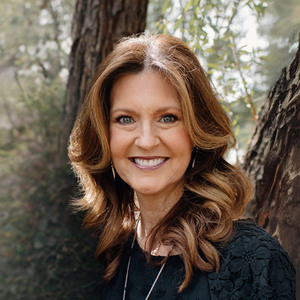
Alisa Grace
Alisa Grace ('92) serves as the co-director of the Biola University Center for Marriage and Relationships where she also co-teaches a class called "Christian Perspectives on Marriage and Relationships." While she speaks and blogs regularly on topics such as dating relationships, marriage, and love, she also loves mentoring younger women and newly married couples, speaking at retreats and providing premarital counseling. Alisa and her husband, Chris, have been married over 30 years and have three wonderful children: Drew and his wife Julia, Natalie and her husband Neil, and their youngest blessing, Caroline.