Ask the Expert: “How do I get past trust issues when my partner has lied to me multiple times?”
When our partner has lied to us, it definitely is a complicated issue to know how to move forward. We likely feel that our trust has just been shattered and that our world has turned upside down. We're questioning not only our partner, who we thought was true and consistent, but we often question ourselves and our judgment as well. We may question what else we don't know, if we can believe anything our partner has said, and if we are emotionally safe in this relationship.
Trust is the belief that our partner has our best interest at heart. It is the belief that they would never intentionally hurt us. Trust means that we know that they will be there for us consistently, no matter what. It means that we can be totally open and vulnerable with them because we believe that we are safe, accepted, and protected, and that they are safe, loving, and protective.
However, trust can be quite easily and quickly broken and usually takes a long time to develop and rebuild. To rebuild trust, it takes more than just apologies and promises. It takes consistent actions, emotional honesty, and a willingness on the part of you and your partner to do some difficult, yet meaningful, work together. According to Drs. Ellen Bader and Pete Pearson of the Couples Institute, along with Drs. John and Julie Gottman, we know that trust is created through thousands of small moments of reliability and responsiveness over time, requiring consistency, persistence, reliability, and time.
For trust to rebuild, there is hard work to do. There is work for our partner, there is work for us, and there is work for us to do together.
For our partner, the work begins by being willing to recognize, admit, and repent of the lying. They need to own it and not be defensive or try to explain it away. They need to be willing to be accountable, placing themselves in an accountable position with someone to whom they give permission to check up on them. They need to actively work on being truthful and practice radical honesty. This may involve something like being willing to have their phone checked or to have the app Life360 on their phone.
They need to work on being willing to hear about our fear of trusting and getting hurt and validate that fear as logical and reasonable rather than getting defensive about it. They need to be willing to do this for as long as we need them to. They need to be patient with us in this process and recognize that it just takes time and the gradual accumulation of many small, positive, trust-building moments. For example, a trust-building moment is when they consistently come home from work at the time that they said they would. If/when this level of honesty and trust-rebuilding work becomes too hard and they are struggling with it, they need to describe that to us rather than revert to lying again.
There is work for us to do as well. We need to work toward clearly describing what we are feeling about trusting and the difficulty for us in doing so, rather than being critical or blaming or becoming a detective to uncover their dishonesty. So, instead of consistently pushing for reassurance or an investigation of them, we can clearly describe and express our feelings by saying something like, “I feel anxious when I don't know what is happening,” “I'm afraid of being hurt again,” or “I'm struggling to believe what I hear.” When we do this, we make it easier for our partner to be honest with us, even as it continues to be their responsibility to do so.
We need to give our partner “micro-opportunities” to be honest so that they can prove themselves as truthful and trustworthy. This means that we will talk together about reasonable expectations of them and small, doable steps, and then we give them the unfettered opportunity to take those steps. In doing so, it is important that we are willing to be open to recognizing trustworthy behavior when it does occur rather than just looking for ways that they might be failing. Our healing requires us to hold two things simultaneously: remembering the hurt while remaining willing to see growth.
Part of extending those “micro-opportunities” involves some work around forgiveness. Forgiveness does not mean that everything is okay, or that we must forget (because we can’t), or that we must move immediately into reconciliation. It means that we acknowledge our hurt and then turn it over to Jesus to carry for us rather than holding tightly onto it to protect ourselves. It means that we don’t resent or retaliate, but we do give reasonable opportunities for our partner to demonstrate their trustworthiness.
We need to set reasonable boundaries around the behavior that we are expecting on both of our parts and then stick to those boundaries. If our partner is unable/unwilling to do their part, then we need to decide for ourselves how much we can tolerate and how long we are willing to wait before more drastic measures need to be taken, such as involving other people or safeguarding our finances.
Finally, there is work for us to do together as a team. First of all, and most importantly, we need to pray. Pray for your partner, pray for yourself, and pray together with your partner for each other and for your relationship. We truly have no idea how impactful prayer can be!
As a team, we need to collaborate on a plan for rebuilding trust: what that looks like, what specific actions need to be taken, how we can stay accountable, and how to take baby steps in earning and extending trust. Rather than discussing trust rebuilding every single day, we can set aside a specific time each week to check in with each other. That way, we can have less pressure, more honest communication, process our emotions, and become more aware of progress and growth. And having this structure around discussion keeps this issue from leaking out and taking over the relationship.
One way to identify what specific actions need to be taken and take baby steps to rebuild trust is to co-create small agreements to gradually rebuild trust through small, doable successes. This can consist of things like calling when running late, following through on plans, sharing important info promptly, and checking in emotionally each day. As we take these baby steps successfully, these small wins accumulate into rebuilding larger trust.
Checking in emotionally each day can look like focusing on our emotional connection with each other. We can ask each other questions such as, “How is your day? What are you worried about? How can I support you?” According to the Gottmans, trust grows through these everyday moments of responsiveness to each other. And when we repair trust in this way, we are not only preventing future lies, we are also strengthening our friendship, intimacy, and emotional connection with each other right now.
If rebuilding trust continues to be a struggle and things are not improving, it is a wise step to get some professional assistance. Don’t wait! Waiting just unnecessarily prolongs the pain and allows unhelpful patterns to become more entrenched. Therapy is just a proactive tool of having a skilled guide get us through some difficult terrain. Find a therapist with whom you connect and feel comfortable, and do the work. It is hard work, but it’s also hard if you don’t do this work. Pick the hard that will get you something for it!
If you find yourself alone in this process because your partner chooses not to do anything, you still can work on it. You can always pray! And you can go to therapy and learn more about yourself and how to interact with others. There will be a ripple effect that will impact your relationship. There is hope!
Rebuilding trust is hard! It requires us to choose courage over fear and avoidance. But as we do that, we will not just be rebuilding our former trust and relationship, we will be building a stronger relationship that is more honest, committed, and connected. And that will be worth all the effort!
Authors

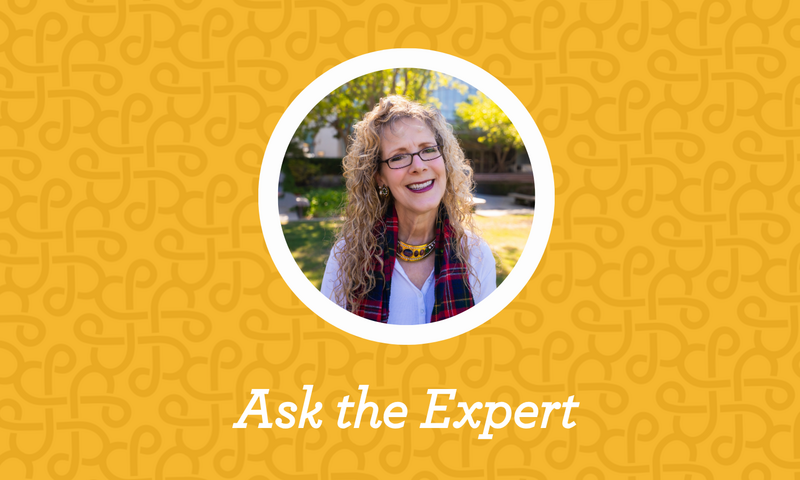
Willa Williams
Willa Williams is a former missionary and current Licensed Marriage and Family Therapist who has been married for almost 40 years and has two amazing sons and two lovely daughters-in-love. She works at the Biola Counseling Center as a therapist and is the Consulting Therapist at the Biola Center for Marriage and Relationships where she also co-teaches a class on Christian perspectives on marriage and relationships.
Willa has a Master of Arts in Religion from Trinity Evangelical Divinity School (Deerfield, IL) and a Master of Arts in Counseling in Psychology from Trinity International University (Deerfield, IL). She is Level 3 Trained in the Gottman Method of Couples Therapy, a Certified Prepare/Enrich Facilitator, and graduate of the Couples Institute, Level 1 and 2. Before coming to Biola, she served overseas at the Spanish Bible Institute in Barcelona, Spain, where she taught a class on counseling skills for pastors and served as the staff therapist for the students. She has a passion for healthy relationships and enjoys working with couples as well as individuals. She appreciates the immense impact that healthy marriages and relationships have on couples as well as future generations.