How to Cope with an Emotionally Draining Friendship

Friendship is meant to be life-giving. Healthy friendships encourage us, support us, and bring joy into our lives. But sometimes a relationship that started out meaningful can begin to feel exhausting instead.
You might notice that after spending time with a certain friend, you feel completely drained. Instead of feeling encouraged or refreshed, you feel overwhelmed, emotionally depleted, or even anxious before seeing them again.
If that sounds familiar, you’re not alone. Many people find themselves navigating friendships that feel one-sided or emotionally heavy.
It’s important to clarify that not every difficult season in a friendship is unhealthy. Sometimes a friend is walking through a hard situation—grief, loss, or a major life transition—and they need extra support for a time. That’s a natural and loving part of friendship.
But when a relationship consistently leaves you feeling emotionally exhausted, it may be a sign that something deeper is happening.
Here are some common signs of an emotionally draining friendship—and some healthy ways to respond.
Signs You May Be in an Emotionally Draining Friendship
1. There Is Constant Drama
One common sign of a draining friendship is never-ending drama.
It may feel like your friend is always facing a new crisis—relationship issues, financial struggles, conflicts with others, or ongoing emotional turmoil. While everyone experiences difficult seasons, emotionally draining friendships often involve a constant stream of problems with no real progress toward resolution.
The conversation rarely moves beyond the latest crisis.
2. The Same Problems Repeat Over and Over
Another sign is when the same issues come up again and again.
Your friend may regularly ask for advice, but nothing ever seems to change. You might find yourself offering the same suggestions repeatedly, only to have the conversation circle back to the same problem the next time you talk.
Over time, this can start to feel less like mutual friendship and more like being stuck in a loop.
3. The Relationship Feels One-Sided
Healthy friendships involve mutual care and support.
In emotionally draining friendships, the relationship often feels unbalanced. One person does most of the sharing, venting, and processing, while the other person does most of the listening.
You may notice that there is little space for your own struggles, experiences, or thoughts.
Instead of a two-way conversation, the relationship begins to feel like emotional caregiving.
4. You Find Yourself Bracing Before Seeing Them
Your body often recognizes unhealthy dynamics before your mind does.
If you notice yourself mentally preparing before spending time with someone—thinking “Okay, here we go again” or emotionally bracing for another heavy conversation—that may be a sign the friendship is becoming draining.
Rather than looking forward to time together, you feel like you need to gather emotional energy just to get through it.
5. You Start Avoiding the Person
Eventually, emotional exhaustion can lead to avoidance.
You may find yourself:
- Ignoring calls or texts
- Avoiding places where you might run into them
Delaying plans or canceling meetups
If positive feelings toward the friendship are slowly being replaced with dread or frustration, it’s worth paying attention to what your emotions might be telling you.
How to Respond in a Healthy Way
Recognizing that a friendship feels draining can be uncomfortable. Many people feel guilty even thinking about setting limits with a friend.
But healthy boundaries are not unloving—they’re often necessary for relationships to remain sustainable.
Here are several ways to respond wisely.
1. Set Healthy Boundaries
Boundaries are one of the most important tools for maintaining healthy friendships.
This might include setting limits on:
- How long you spend together
- How often you meet
-
What topics dominate the conversation
For example, if conversations regularly stretch for hours and leave you exhausted, you might plan shorter meetups or schedule specific time limits.
Healthy boundaries protect both people from burnout.
2. Redirect the Conversation
Sometimes a draining friendship develops simply because the conversation constantly returns to one person’s struggles.
In group settings, it can be helpful to gently redirect the conversation.
For example: "Thanks for sharing that. I’d love to hear what’s been going on with everyone else too."
This helps balance the interaction and ensures that everyone’s voice is heard.
3. Encourage Professional Support
In some situations, a friend may be carrying struggles that require more support than a friendship alone can provide.
If someone repeatedly turns to you for guidance about deep emotional pain, trauma, or ongoing crises, it may be helpful to encourage them to seek support from a trained professional.
This isn’t abandoning them—it’s helping them receive the care they truly need.
Sometimes the most loving response is saying: "I care about you a lot, but this might be something that would really benefit from talking with a counselor or pastor."
4. Choose Compassion Over Resentment
If you decide to continue supporting your friend, it’s important to do so without letting resentment grow.
Sometimes shifting your perspective can help.
Instead of thinking “I have to listen to this again,” try reframing it as: "I get to be someone who cares for this person today."
When we approach relationships with compassion and humility, it changes the posture of our hearts.
5. Pray for Wisdom and Discernment
Every relationship is different, and there isn’t a one-size-fits-all solution.
Prayer can be an important step when navigating emotionally complex friendships. Ask God for wisdom, patience, and discernment in knowing how to care for your friend while also protecting your own emotional health.
Scripture reminds us in Ephesians 4:29 to speak words that are helpful and encouraging to others.
Sometimes that encouragement looks like listening. Other times it looks like setting boundaries or guiding someone toward additional help.
A Final Thought
Friendships are one of the greatest gifts God gives us. They shape our character, support us through life’s challenges, and remind us that we are not meant to walk through life alone.
But healthy friendships require balance, honesty, and mutual care.
If you find yourself in an emotionally draining friendship, remember that it’s okay to pause, reflect, and seek wisdom. Setting healthy boundaries doesn’t mean you care less about the relationship—it often means you care enough to protect it from becoming unhealthy.
With compassion, discernment, and grace, it is possible to navigate even difficult friendships in a way that honors both your friend and your own well-being.
Authors

Chris Grace
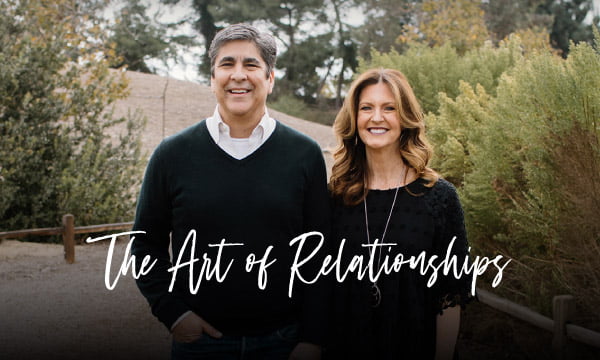
Chris Grace, Ph.D., is a professor of psychology at Rosemead School of Psychology and Director of the Biola University Center for Marriage and Relationships. With degrees in psychology from the University of Northern Colorado (B.A.) and Colorado State University (M.S. and Ph.D. in Experimental Social Psychology), he has taught and written extensively on relationships, marriage, and the integration of faith and psychology. Honored with awards for both teaching and scholarship, Chris is passionate about making research and biblical wisdom practical and accessible. Together with his wife, Alisa, he speaks nationally to couples, singles, and churches, and co-hosts The Art of Relationships podcast, equipping thousands with tools to build stronger, Christ-centered relationships.

Alisa Grace
Alisa Grace ('92) serves as the co-director of the Biola University Center for Marriage and Relationships where she also co-teaches a class called "Christian Perspectives on Marriage and Relationships." While she speaks and blogs regularly on topics such as dating relationships, marriage, and love, she also loves mentoring younger women and newly married couples, speaking at retreats and providing premarital counseling. Alisa and her husband, Chris, have been married over 30 years and have three wonderful children: Drew and his wife Julia, Natalie and her husband Neil, and their youngest blessing, Caroline.